THE ADVENTURE COLLECTIVE® · Independent discovery and booking for outdoor travel

A six-day overland circuit from Casablanca through the High Atlas to the sand seas of Merzouga. Expect mountain passes, kasbahs, Todra Gorge and a sunrise camel trek into Erg Chebbi.
A six-day overland circuit from Casablanca through the High Atlas to the sand seas of Merzouga. Expect mountain passes, kasbahs, Todra Gorge and a sunrise camel trek into Erg Chebbi.
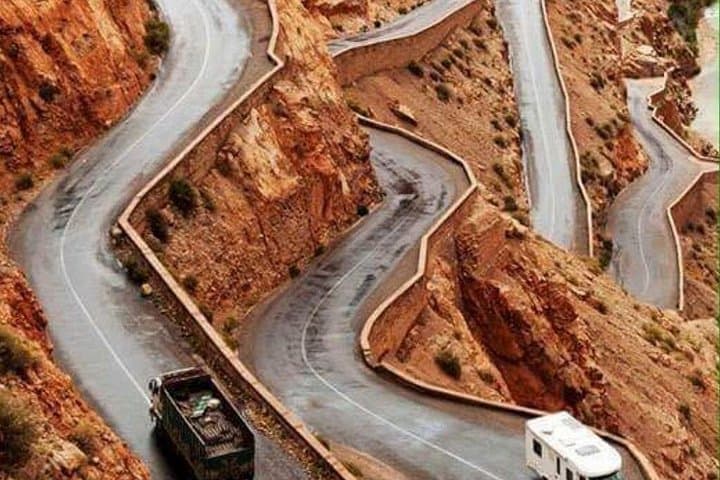
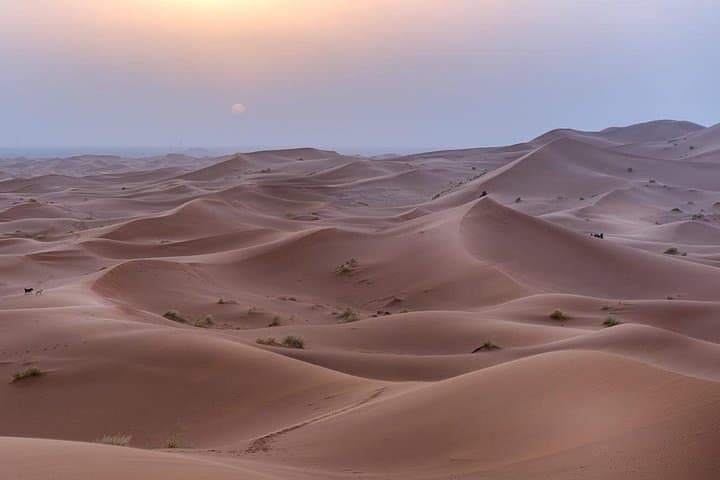
You roll out of Casablanca at dawn and the Atlantic fades behind low scrub and tile-roofed towns. The road climbs the High Atlas by the Tizi n'Tichka pass (about 2,260 m), where wind and stone shape the skyline and snow can still streak higher shoulders in winter. Over six days you move from urban Morocco into palm-lined oases, kasbahs of sun-baked clay and the orange ocean of Erg Chebbi near Merzouga.
Verified experiences and guided adventures in the surrounding area.
Operated by Marrakechandcasablancatours · Merzouga, Errachidia
You roll out of Casablanca at dawn and the Atlantic fades behind low scrub and tile-roofed towns. The road climbs the High Atlas by the Tizi n'Tichka pass (about 2,260 m), where wind and stone shape the skyline and snow can still streak higher shoulders in winter. Over six days you move from urban Morocco into palm-lined oases, kasbahs of sun-baked clay and the orange ocean of Erg Chebbi near Merzouga.
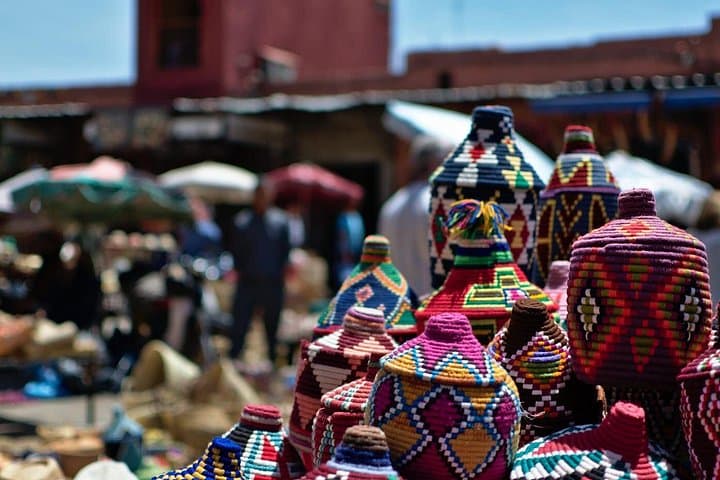
This route follows historic caravan corridors: kasbahs like Ait Benhaddou near Ouarzazate guarded trade in salt, dates and saffron for centuries. Geology changes rapidly—folded, fluted High Atlas, river-carved gorges at Todra with cliffs approaching 300 m, and the sweeping star dunes of Merzouga, some ridges reaching roughly 100–150 m. Culturally the trip threads Berber villages, film-set towns around Ouarzazate and market towns like Rissani where souks still trade goods in traditional fashion.
Expect long driving days (Casablanca–Marrakech roughly 240 km; Dades valley legs around 150 km between mountain stretches), short walking sections, and a sunset-to-sunrise camel trek and bivouac under clear desert sky. Practical notes: carry sun protection and three liters of water per day while traveling in summer, bring warm layers for night camps, and pack a small daypack for canyon walks. If you have mobility considerations, ask about vehicle accessibility and camel alternatives. Guided logistics handle accommodations and meals, but travel stamina and basic flexibility make the itinerary most rewarding.
moderate.
6 days.
Suitable for travelers with reasonable fitness—able to handle several hours in transit each day plus short hikes and a camel ride.
Expect multiple long driving legs—some days cover 150–250 km across mountain passes and valleys, with stops for sights and meals.
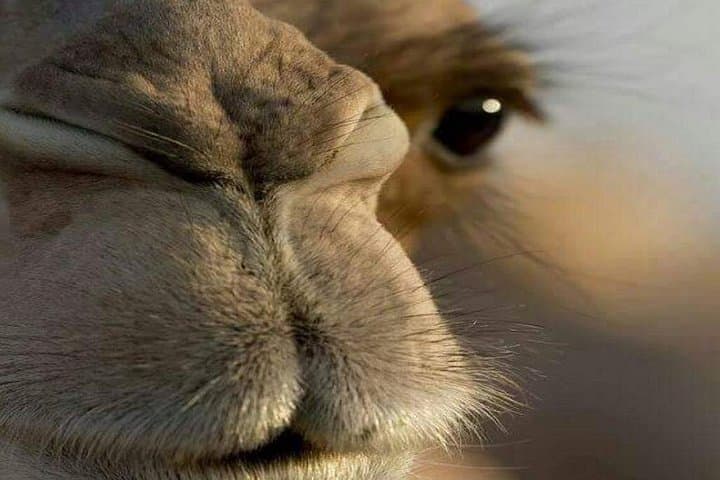
Camel treks are low-intensity: you ride rather than hike, but mounting and sitting for the sunset/sunrise ride requires basic flexibility.
Accommodations vary from riads and kasbah guest houses to desert bivouac tents; bedding and meals are typically provided as per the itinerary.
Children can join but must be accompanied by an adult; inquire about infant seats and camel suitability for younger kids when booking.
The route follows old trans-Saharan caravan corridors and passes UNESCO-listed kasbahs like Ait Benhaddou near Ouarzazate.
The Sahara’s dunes and oases are fragile—stick to vehicle tracks, avoid collecting plants, and limit campfires to designated areas.
Marrakechandcasablancatours operates guided outdoor trips and adventures with an emphasis on safety, stewardship, and memorable experiences.
You roll out of Casablanca at dawn and the Atlantic fades behind low scrub and tile-roofed towns. The road climbs the High Atlas by the Tizi n'Tichka pass (about 2,260 m), where wind and stone shape the skyline and snow can still streak higher shoulders in winter. Over six days you move from urban Morocco into palm-lined oases, kasbahs of sun-baked clay and the orange ocean of Erg Chebbi near Merzouga.
You roll out of Casablanca at dawn and the Atlantic fades behind low scrub and tile-roofed towns. The road climbs the High Atlas by the Tizi n'Tichka pass (about 2,260 m), where wind and stone shape the skyline and snow can still streak higher shoulders in winter. Over six days you move from urban Morocco into palm-lined oases, kasbahs of sun-baked clay and the orange ocean of Erg Chebbi near Merzouga.
This route follows historic caravan corridors: kasbahs like Ait Benhaddou near Ouarzazate guarded trade in salt, dates and saffron for centuries. Geology changes rapidly—folded, fluted High Atlas, river-carved gorges at Todra with cliffs approaching 300 m, and the sweeping star dunes of Merzouga, some ridges reaching roughly 100–150 m. Culturally the trip threads Berber villages, film-set towns around Ouarzazate and market towns like Rissani where souks still trade goods in traditional fashion.
Expect long driving days (Casablanca–Marrakech roughly 240 km; Dades valley legs around 150 km between mountain stretches), short walking sections, and a sunset-to-sunrise camel trek and bivouac under clear desert sky. Practical notes: carry sun protection and three liters of water per day while traveling in summer, bring warm layers for night camps, and pack a small daypack for canyon walks. If you have mobility considerations, ask about vehicle accessibility and camel alternatives. Guided logistics handle accommodations and meals, but travel stamina and basic flexibility make the itinerary most rewarding.