THE ADVENTURE COLLECTIVE® · Independent discovery and booking for outdoor travel

Drive from Atlantic cities through Atlas passes to Erg Chebbi dunes on this private 5‑day Moroccan tour. Expect riads, a camel trek at sunset, a night in a desert camp, and cultural stops in imperial cities.
Drive from Atlantic cities through Atlas passes to Erg Chebbi dunes on this private 5‑day Moroccan tour. Expect riads, a camel trek at sunset, a night in a desert camp, and cultural stops in imperial cities.
The road breathes heat and cedar-scented air as you leave Casablanca’s Atlantic edge and climb toward the High Atlas—switchbacks opening long views, then narrowing into the ochre ribs of the desert.
Verified experiences and guided adventures in the surrounding area.
Operated by Marrakech Expert Tours · Merzouga, Drâa-Tafilalet
The road breathes heat and cedar-scented air as you leave Casablanca’s Atlantic edge and climb toward the High Atlas—switchbacks opening long views, then narrowing into the ochre ribs of the desert.
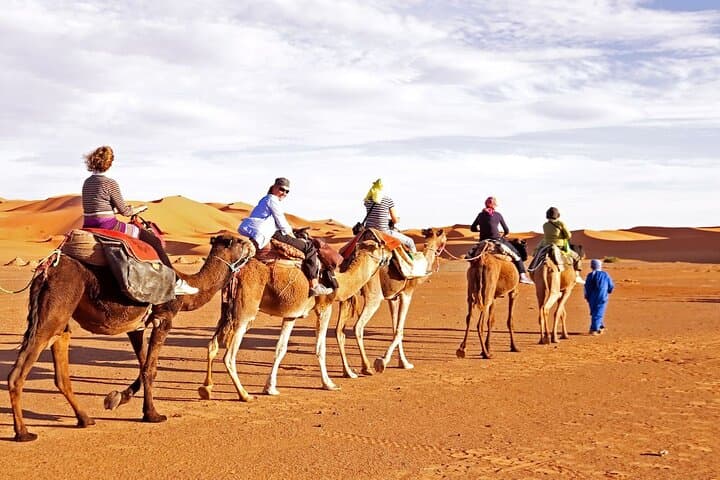
By day two the landscape changes from snow-dusted peaks near Ifrane to the palm-lined Ziz Valley; by day three Erg Chebbi ripples into view, dunes rolling like a living sea. Here you switch to camel pace, listening to leather creak and sand sigh while the horizon rearranges itself with every step.
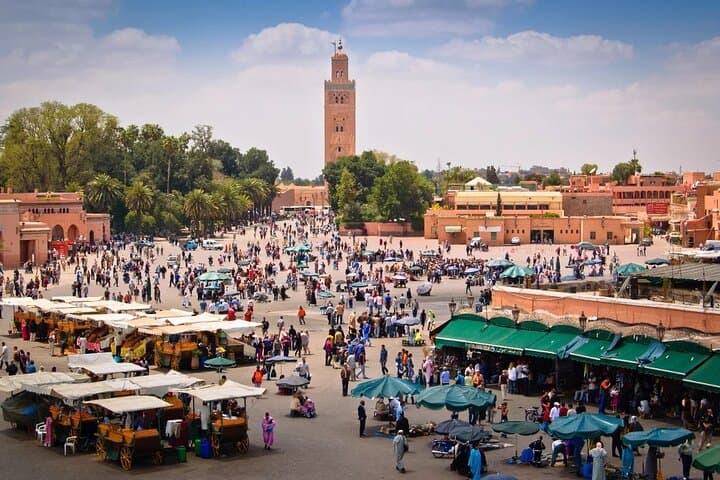
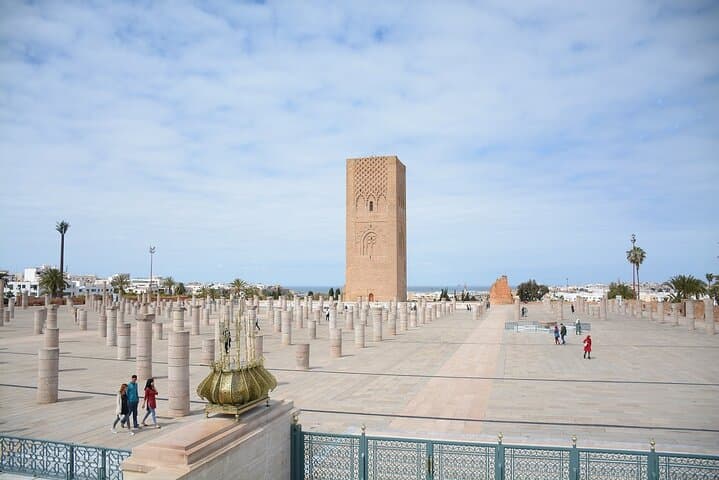
This route threads imperial cities—Rabat, Meknes, Fes—with caravan-era landscapes and fortified ksour such as Ait Benhaddou. Geologically the region is a meeting of Atlas uplift and aeolian action: storms move sand into the tall crescent dunes of Erg Chebbi while rivers carve the Ziz valley. Culturally expect Berber hospitality, Gnawa rhythms in Khamlia, and nights in riads or well-managed desert camps run by local families.
Practical notes: plan for long driving stretches (several hours between stops), altitude changes across mountain passes, and big daytime-to-night temperature shifts in the desert. Bring a sun hat, layered clothing, a headlamp, and cash for remote villages. Hydrate often on road days and keep motion-sickness remedies handy for Tizi n’Tichka hairpins.
The tour balances comfortable transport with close-up desert time—ideal if you want immersive Sahara nights without self-logistics. Expect simple but solid desert camps, guided camel treks at sunset, cultural stops, and an itinerary that favors landscape and local encounters over fast sightseeing.
moderate.
5 days.
Suitable for travelers in average physical condition able to handle long vehicle transfers, short walks, and a camel ride
Typical camel rides to the camp are 1–2 hours at a slow pace timed for sunset or sunrise; transfers by 4x4 can shorten the route if preferred.
The tour package includes some breakfasts and dinners, nights in riads and a desert camp as listed—confirm specifics with the operator on booking.
Yes—transport is private and paced, but consider camel comfort and long road transfers; infant seats may be available and activities can be adapted.
Expect limited or no mobile data in remote desert areas; major towns will have coverage and some camps offer basic Wi‑Fi.
This route traces caravan and imperial connections—Roman-era sites, Amazigh (Berber) settlements, and ksour that once served trans-Saharan trade.
Travelers can reduce impact by sticking to marked tracks in dunes, avoiding littering in camps, and supporting locally run guesthouses and guides.
Marrakech Expert Tours operates guided outdoor trips and adventures with an emphasis on safety, stewardship, and memorable experiences.
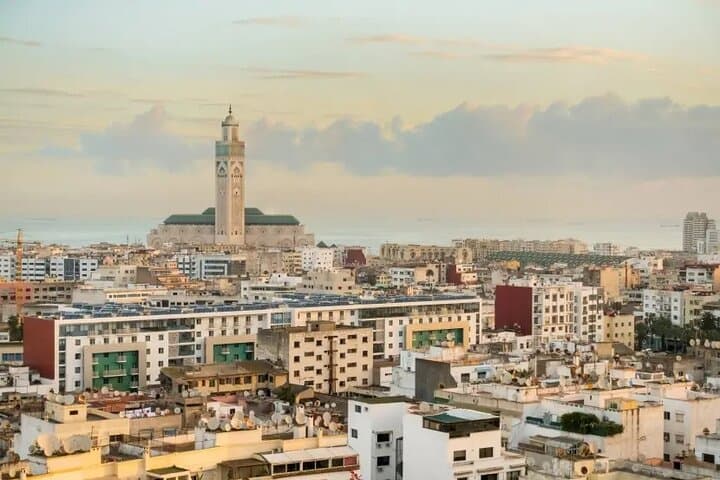
The road breathes heat and cedar-scented air as you leave Casablanca’s Atlantic edge and climb toward the High Atlas—switchbacks opening long views, then narrowing into the ochre ribs of the desert.
The road breathes heat and cedar-scented air as you leave Casablanca’s Atlantic edge and climb toward the High Atlas—switchbacks opening long views, then narrowing into the ochre ribs of the desert.
By day two the landscape changes from snow-dusted peaks near Ifrane to the palm-lined Ziz Valley; by day three Erg Chebbi ripples into view, dunes rolling like a living sea. Here you switch to camel pace, listening to leather creak and sand sigh while the horizon rearranges itself with every step.
This route threads imperial cities—Rabat, Meknes, Fes—with caravan-era landscapes and fortified ksour such as Ait Benhaddou. Geologically the region is a meeting of Atlas uplift and aeolian action: storms move sand into the tall crescent dunes of Erg Chebbi while rivers carve the Ziz valley. Culturally expect Berber hospitality, Gnawa rhythms in Khamlia, and nights in riads or well-managed desert camps run by local families.
Practical notes: plan for long driving stretches (several hours between stops), altitude changes across mountain passes, and big daytime-to-night temperature shifts in the desert. Bring a sun hat, layered clothing, a headlamp, and cash for remote villages. Hydrate often on road days and keep motion-sickness remedies handy for Tizi n’Tichka hairpins.
The tour balances comfortable transport with close-up desert time—ideal if you want immersive Sahara nights without self-logistics. Expect simple but solid desert camps, guided camel treks at sunset, cultural stops, and an itinerary that favors landscape and local encounters over fast sightseeing.