THE ADVENTURE COLLECTIVE® · Independent discovery and booking for outdoor travel

Skip the bus lines and relax on a private, air-conditioned drive from Casablanca to Marrakech. Expect a 2–3 hour highway transfer with optional stops, bottled water, and a multilingual chauffeur.
Skip the bus lines and relax on a private, air-conditioned drive from Casablanca to Marrakech. Expect a 2–3 hour highway transfer with optional stops, bottled water, and a multilingual chauffeur.
You step into an air-conditioned vehicle in Casablanca and the city peels away: Atlantic light on the boulevards gives way to rhythmically spaced olive groves and the low-rise towns that punctuate the A7.
Verified experiences and guided adventures in the surrounding area.
Operated by Casablanca Prestige Tours · Casablanca, Casablanca-Settat
You step into an air-conditioned vehicle in Casablanca and the city peels away: Atlantic light on the boulevards gives way to rhythmically spaced olive groves and the low-rise towns that punctuate the A7.
The road rolls south for roughly two to three hours, skirting agricultural plains before the High Atlas foothills rise purple on the horizon. This is not a scenic detour through mountain passes, but the landscape has personality: roadside cafés offering mint tea, farmers tending citrus, and occasional roadside viewpoints where the foothills make their first quiet claims.
Casablanca and Marrakech occupy different chapters of Moroccan history—one a modern port that grew rapidly under the French Protectorate, the other an imperial city founded in the 11th century with ochre walls and crowded souks. The A7 corridor replaced older trade roads, compressing what used to be a daylong journey into a comfortable highway transfer.
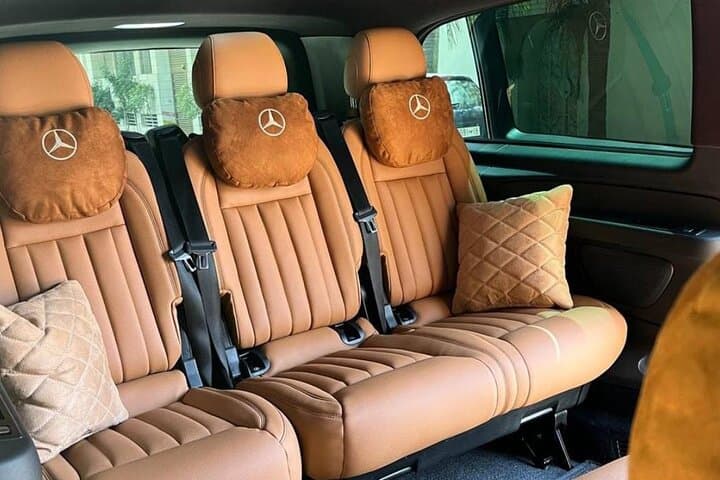
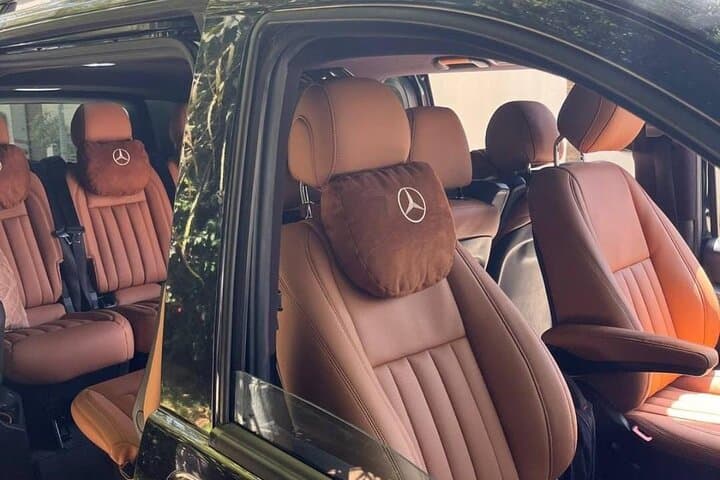
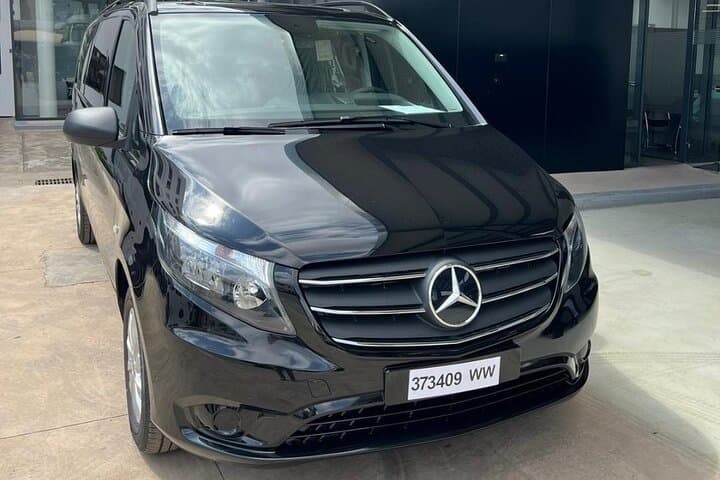
Practicalities matter: the service provides a professional, multilingual chauffeur, bottled water, Wi-Fi, and infant seats on request. Stops for photos or a quick break are usually possible; luggage fits easily in sedans or minivans used for private transfers. Peak traffic near Casablanca and Marrakech can add time, so schedule with margin if you have a flight or train connection.
For travelers who prize convenience over adventure, this transfer turns geography into a low-stress transition—an efficient stitch between Morocco’s urban coast and its storied inland city.
easy.
2–3 hours.
No special fitness required; suitable for travelers of all physical abilities.
Travel time is typically 2–3 hours depending on traffic and any requested stops along the route.
Pickup can be arranged at Casablanca Airport, your hotel, or a designated city meeting point—confirm exact details when booking.
Yes—drivers generally allow short stops for coffee, photos, or restroom breaks; longer sightseeing stops may affect the quoted travel time and cost.
Standard luggage is included, but disclose oversized items when booking to ensure the vehicle can accommodate them.
The Casablanca–Marrakech corridor echoes older caravan routes; Marrakech remains one of Morocco’s historic imperial cities while Casablanca grew into the country’s primary port and commercial center.
Choose operators who limit single-use plastics and ask drivers to keep stops to designated areas to reduce impact; support small roadside businesses for local economic benefit.
Casablanca Prestige Tours operates guided outdoor trips and adventures with an emphasis on safety, stewardship, and memorable experiences.

You step into an air-conditioned vehicle in Casablanca and the city peels away: Atlantic light on the boulevards gives way to rhythmically spaced olive groves and the low-rise towns that punctuate the A7.
You step into an air-conditioned vehicle in Casablanca and the city peels away: Atlantic light on the boulevards gives way to rhythmically spaced olive groves and the low-rise towns that punctuate the A7.
The road rolls south for roughly two to three hours, skirting agricultural plains before the High Atlas foothills rise purple on the horizon. This is not a scenic detour through mountain passes, but the landscape has personality: roadside cafés offering mint tea, farmers tending citrus, and occasional roadside viewpoints where the foothills make their first quiet claims.
Casablanca and Marrakech occupy different chapters of Moroccan history—one a modern port that grew rapidly under the French Protectorate, the other an imperial city founded in the 11th century with ochre walls and crowded souks. The A7 corridor replaced older trade roads, compressing what used to be a daylong journey into a comfortable highway transfer.
Practicalities matter: the service provides a professional, multilingual chauffeur, bottled water, Wi-Fi, and infant seats on request. Stops for photos or a quick break are usually possible; luggage fits easily in sedans or minivans used for private transfers. Peak traffic near Casablanca and Marrakech can add time, so schedule with margin if you have a flight or train connection.
For travelers who prize convenience over adventure, this transfer turns geography into a low-stress transition—an efficient stitch between Morocco’s urban coast and its storied inland city.