THE ADVENTURE COLLECTIVE® · Independent discovery and booking for outdoor travel

Make the 3‑hour drive from Casablanca for a private, full‑day immersion in Marrakech—medina walking tour, historic monuments, terrace lunch and a short camel ride. A practical day for first‑time visitors who want concentrated culture and sensory overload in one long, organized outing.
Make the 3‑hour drive from Casablanca for a private, full‑day immersion in Marrakech—medina walking tour, historic monuments, terrace lunch and a short camel ride. A practical day for first‑time visitors who want concentrated culture and sensory overload in one long, organized outing.
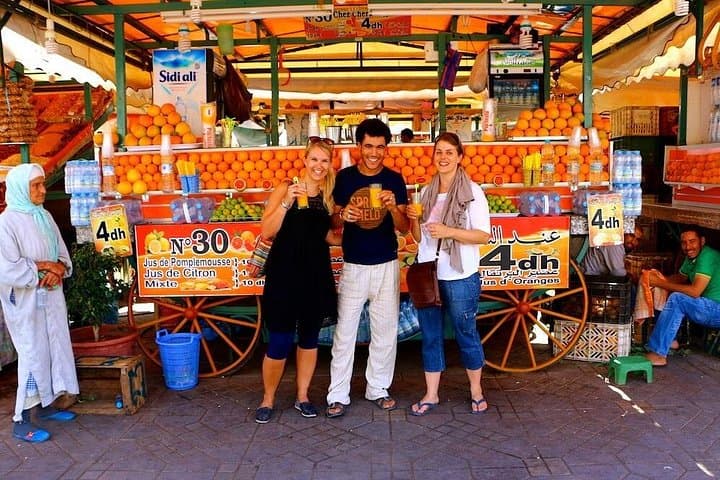
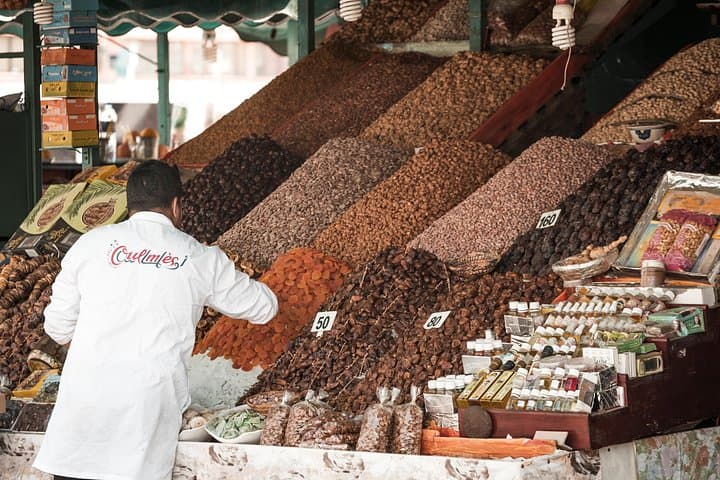
You leave Casablanca before dawn, the city shrinking behind glass as the Atlantic plain stretches toward the ochre walls of Marrakech. The highway crosses arid farms and the first foothills of the High Atlas come into view; by mid-morning you arrive at the city’s gate and step straight into a living market where spices scent the air and street vendors call like an organized uproar.
Verified experiences and guided adventures in the surrounding area.
Operated by Explore Morocco Travel SARL · Marrakech, Marrakech-Safi
You leave Casablanca before dawn, the city shrinking behind glass as the Atlantic plain stretches toward the ochre walls of Marrakech. The highway crosses arid farms and the first foothills of the High Atlas come into view; by mid-morning you arrive at the city’s gate and step straight into a living market where spices scent the air and street vendors call like an organized uproar.
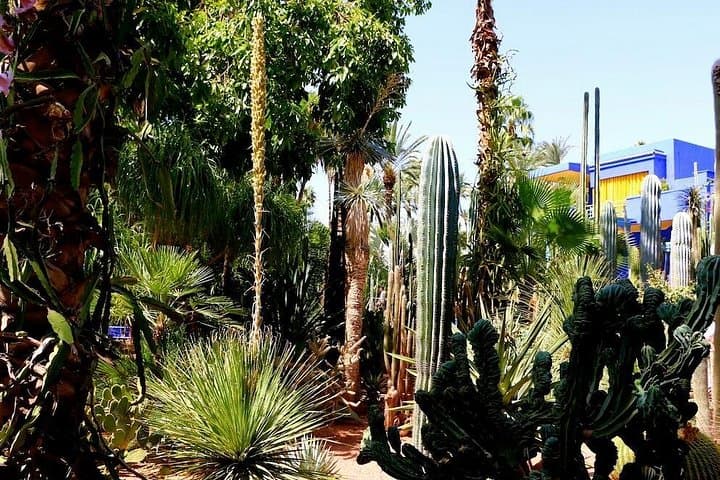
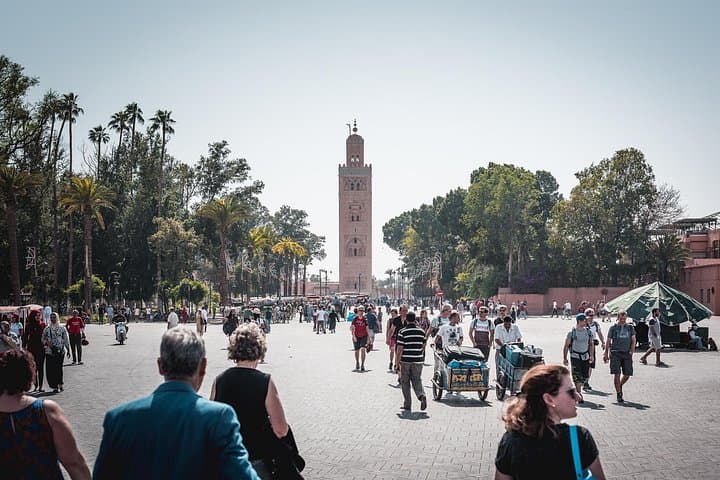
Marrakech wears its history on its façades: the Koutoubia’s minaret dates to the Almohad era (late 12th century), the Saadian tombs reflect 16th‑century royal patronage, and the Palais de Bahia shows the flourish of 19th‑century Moroccan craftsmanship. The red earth used in the ramparts and alleys—local clay turned brick—gives the medina its nickname, the "Red City." Majorelle Garden, restored by Yves Saint Laurent in the 20th century, offers a botanical counterpoint with cobalt walls and shaded paths.
On this private full‑day itinerary expect roughly three hours each way by air‑conditioned vehicle, 3.5 hours of guided walking through souks and historic sites, a terrace lunch overlooking Jemaa el‑Fnaa, and a 30–45 minute camel experience plus tea. Terrain is urban: narrow paved lanes, occasional uneven stone, and crowded market passages.
Practical notes: wear sturdy closed shoes, carry small bills (Moroccan dirham) and a refillable water bottle, and plan for hot afternoons—hat and sunscreen are non‑negotiable. This is primarily cultural exploration with brief outdoor riding; pace accordingly and keep belongings secure in the medina.
moderate.
10–12 hours.
Should be comfortable walking 3–4 hours with frequent stops and able to manage a long day of sitting in transit.
Expect about 2.5–3 hours each way on a direct route in an air‑conditioned vehicle, depending on traffic.
Yes—camels used for short rides are generally suitable for children, but the operator may have age or weight limits; children should be supervised at all times.
This itinerary lists visits to many sites; check the booking details—some monument entry fees (e.g., Bahia Palace, Saadian Tombs) may not be included and can be paid on site.
Most tours offer guides or drivers in English, French or Spanish; multilingual guides are commonly available—confirm language needs when booking.
Marrakech rose to prominence under the Almohad dynasty in the 12th century; later Saadian and Alaouite patrons embellished the city with tombs, palaces and medersas you visit today.
Support local conservation by staying on marked paths in gardens like Majorelle, avoiding single‑use plastics, and refusing wildlife interactions that encourage handling or feeding.
Explore Morocco Travel SARL operates guided outdoor trips and adventures with an emphasis on safety, stewardship, and memorable experiences.
You leave Casablanca before dawn, the city shrinking behind glass as the Atlantic plain stretches toward the ochre walls of Marrakech. The highway crosses arid farms and the first foothills of the High Atlas come into view; by mid-morning you arrive at the city’s gate and step straight into a living market where spices scent the air and street vendors call like an organized uproar.
You leave Casablanca before dawn, the city shrinking behind glass as the Atlantic plain stretches toward the ochre walls of Marrakech. The highway crosses arid farms and the first foothills of the High Atlas come into view; by mid-morning you arrive at the city’s gate and step straight into a living market where spices scent the air and street vendors call like an organized uproar.
Marrakech wears its history on its façades: the Koutoubia’s minaret dates to the Almohad era (late 12th century), the Saadian tombs reflect 16th‑century royal patronage, and the Palais de Bahia shows the flourish of 19th‑century Moroccan craftsmanship. The red earth used in the ramparts and alleys—local clay turned brick—gives the medina its nickname, the "Red City." Majorelle Garden, restored by Yves Saint Laurent in the 20th century, offers a botanical counterpoint with cobalt walls and shaded paths.
On this private full‑day itinerary expect roughly three hours each way by air‑conditioned vehicle, 3.5 hours of guided walking through souks and historic sites, a terrace lunch overlooking Jemaa el‑Fnaa, and a 30–45 minute camel experience plus tea. Terrain is urban: narrow paved lanes, occasional uneven stone, and crowded market passages.
Practical notes: wear sturdy closed shoes, carry small bills (Moroccan dirham) and a refillable water bottle, and plan for hot afternoons—hat and sunscreen are non‑negotiable. This is primarily cultural exploration with brief outdoor riding; pace accordingly and keep belongings secure in the medina.