THE ADVENTURE COLLECTIVE® · Independent discovery and booking for outdoor travel

Spend a full day crossing from Casablanca to Marrakech to explore Jemaa el-Fnaa, the medina’s alleys, Bahia Palace and a short camel ride in a palm grove. This private tour blends history, hands-on culture and practical logistics for a long but rewarding day on the road.
Spend a full day crossing from Casablanca to Marrakech to explore Jemaa el-Fnaa, the medina’s alleys, Bahia Palace and a short camel ride in a palm grove. This private tour blends history, hands-on culture and practical logistics for a long but rewarding day on the road.
You step out of the van into a heat-washed square where vendors call and steam rises from tagine stalls — Jemaa el-Fnaa grabs you immediately, not politely but insistently. The day unfolds as a string of contrasts: the cool shadowed riads and ornate tile of Bahia Palace, the narrow medina alleys that funnel scents of spices and leather, and a palm grove where a short camel ride cuts a slow, deliberate rhythm through the landscape.
Verified experiences and guided adventures in the surrounding area.
Operated by platinum morocco travel · Marrakech, Marrakesh-Safi
You step out of the van into a heat-washed square where vendors call and steam rises from tagine stalls — Jemaa el-Fnaa grabs you immediately, not politely but insistently. The day unfolds as a string of contrasts: the cool shadowed riads and ornate tile of Bahia Palace, the narrow medina alleys that funnel scents of spices and leather, and a palm grove where a short camel ride cuts a slow, deliberate rhythm through the landscape.
Marrakech was founded as an imperial city in the 11th century by the Almoravids; its medina core still follows those ancient lanes and defensive patterns. Geologically the city sits on a plateau at the foothills of the High Atlas, which frames the skyline on clear days and channels dry, dusty winds into the souks. Culture here is public and performative — snake charmers, henna artists and orange-juice sellers all make the square a living stage, while quieter corners hide restored madrasas and small museums.
Practical guidance: this is a long day (roughly 11–12 hours) with lots of walking on uneven cobbles; bring sun protection, comfortable shoes, and small bills for tips and purchases. Dress respectfully — lightweight layers and a scarf are useful. If you want photos of specific sites, ask your guide to prioritize them early to avoid crowds and late-afternoon glare. Hydrate often; bottled water is included on many tours, but carrying a refillable bottle reduces plastic waste. Expect guided stops at the Medina, Koutoubia, Bahia Palace, a palm-grove camel ride, and time to browse the souks — it’s an immersive, urban adventure built for a single, full day away from Casablanca.
easy.
11–12 hours.
Basic fitness for several hours of walking and standing; comfortable walking pace and stamina for a full day required.
Expect roughly 3–3.5 hours each way by road depending on traffic; the full experience is about 11–12 hours including sightseeing.
Admission to main attractions and the guided camel ride are included as described, but verify specifics at booking for any seasonal exceptions.
Children are welcome; the tour includes walking on uneven surfaces and some steps, so guests with limited mobility should check accessibility for individual sites beforehand.
Use Moroccan dirhams for purchases and small tips; tipping guides and service providers is customary — small bills for local vendors are recommended.
Marrakech rose to prominence in the 11th century as an Almoravid imperial capital; much of the medina preserves its medieval street layout and public spaces.
Support local artisans to keep traditional crafts viable, avoid single-use plastics, and follow guide advice to protect fragile historic surfaces.
platinum morocco travel operates guided outdoor trips and adventures with an emphasis on safety, stewardship, and memorable experiences.
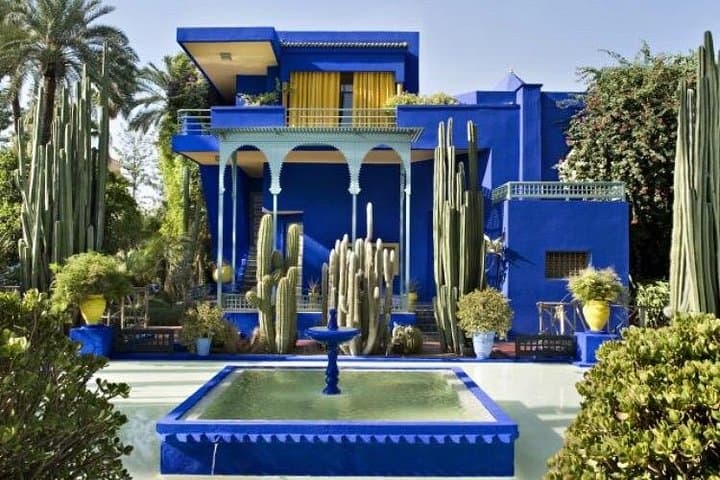
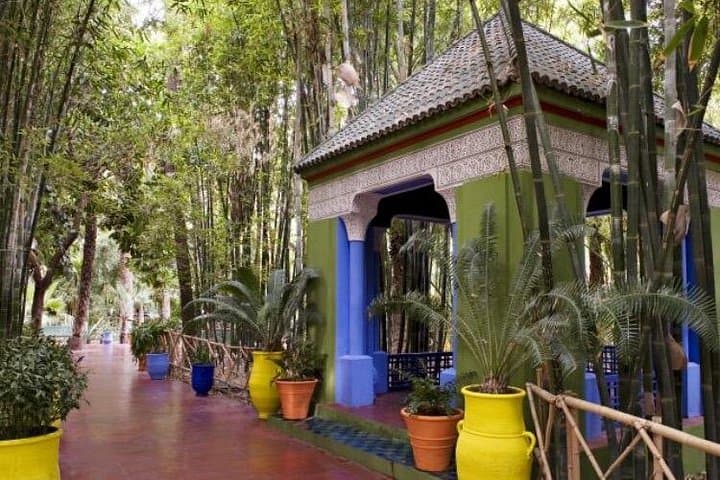
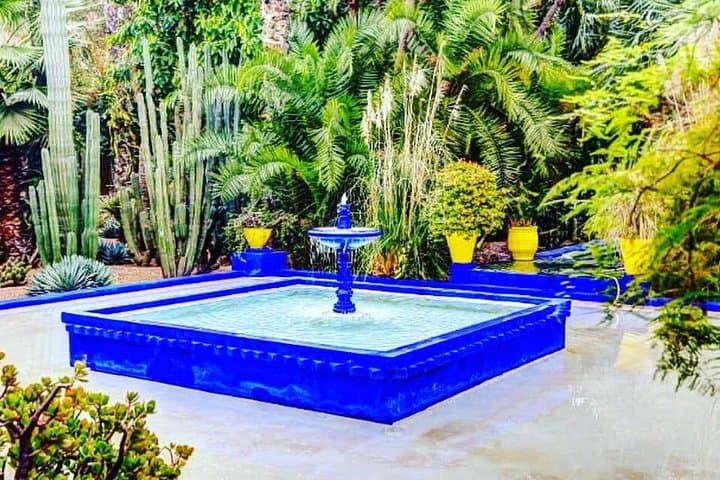
You step out of the van into a heat-washed square where vendors call and steam rises from tagine stalls — Jemaa el-Fnaa grabs you immediately, not politely but insistently. The day unfolds as a string of contrasts: the cool shadowed riads and ornate tile of Bahia Palace, the narrow medina alleys that funnel scents of spices and leather, and a palm grove where a short camel ride cuts a slow, deliberate rhythm through the landscape.
You step out of the van into a heat-washed square where vendors call and steam rises from tagine stalls — Jemaa el-Fnaa grabs you immediately, not politely but insistently. The day unfolds as a string of contrasts: the cool shadowed riads and ornate tile of Bahia Palace, the narrow medina alleys that funnel scents of spices and leather, and a palm grove where a short camel ride cuts a slow, deliberate rhythm through the landscape.
Marrakech was founded as an imperial city in the 11th century by the Almoravids; its medina core still follows those ancient lanes and defensive patterns. Geologically the city sits on a plateau at the foothills of the High Atlas, which frames the skyline on clear days and channels dry, dusty winds into the souks. Culture here is public and performative — snake charmers, henna artists and orange-juice sellers all make the square a living stage, while quieter corners hide restored madrasas and small museums.
Practical guidance: this is a long day (roughly 11–12 hours) with lots of walking on uneven cobbles; bring sun protection, comfortable shoes, and small bills for tips and purchases. Dress respectfully — lightweight layers and a scarf are useful. If you want photos of specific sites, ask your guide to prioritize them early to avoid crowds and late-afternoon glare. Hydrate often; bottled water is included on many tours, but carrying a refillable bottle reduces plastic waste. Expect guided stops at the Medina, Koutoubia, Bahia Palace, a palm-grove camel ride, and time to browse the souks — it’s an immersive, urban adventure built for a single, full day away from Casablanca.