THE ADVENTURE COLLECTIVE® · Independent discovery and booking for outdoor travel

Two days of Morocco’s highlights: coastal grandeur in Casablanca and Rabat, an overnight in Chefchaouen’s blue medina, then Roman ruins and imperial Meknes before reaching Fes. Expect scenic drives, layered history, and compact walking tours.
Two days of Morocco’s highlights: coastal grandeur in Casablanca and Rabat, an overnight in Chefchaouen’s blue medina, then Roman ruins and imperial Meknes before reaching Fes. Expect scenic drives, layered history, and compact walking tours.
The road opens beneath an Atlantic sky as a private driver escorts you from Casablanca’s waterfront past the Hassan II Mosque, its minaret standing like a measured invitation to the coast. You feel the highway ease under the tires, then the land changes — citrus groves give way to the rolling folds of the Rif Mountains and, at dusk, the blue alleys of Chefchaouen glow against a cooling air.
Verified experiences and guided adventures in the surrounding area.
Operated by Casablanca Prestige Tours · Chefchaouen, Tétouan-Al Hoceïma
The road opens beneath an Atlantic sky as a private driver escorts you from Casablanca’s waterfront past the Hassan II Mosque, its minaret standing like a measured invitation to the coast. You feel the highway ease under the tires, then the land changes — citrus groves give way to the rolling folds of the Rif Mountains and, at dusk, the blue alleys of Chefchaouen glow against a cooling air.
This two-day route threads imperial cities and Roman ruins: Rabat’s Hassan Tower and the Mausoleum of Mohammed V reflect Alaouite ambition; Volubilis’ mosaics and colonnades record Roman North Africa’s provincial life; Meknes’ Bab Mansour shows 17th-century Moroccan court power. Geologically, you cross coastal plains into the schist and limestone of the Rif — the mountains shape water, agriculture and the townscapes you pass.
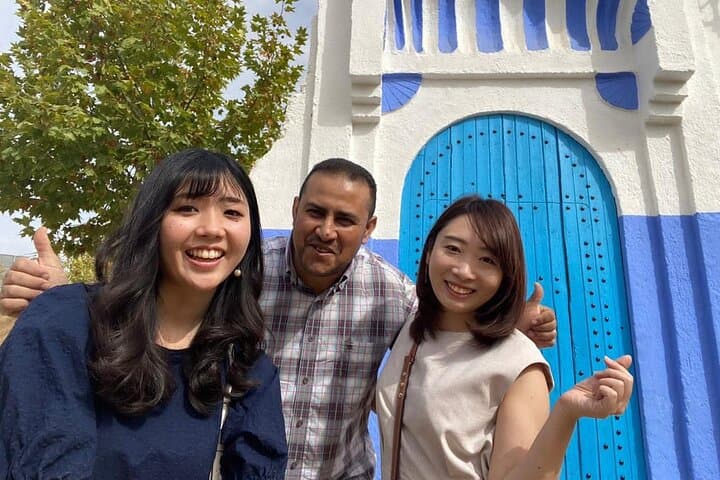
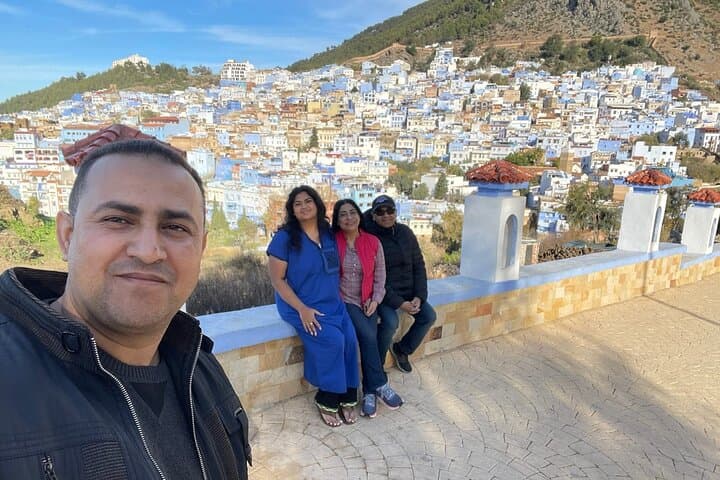
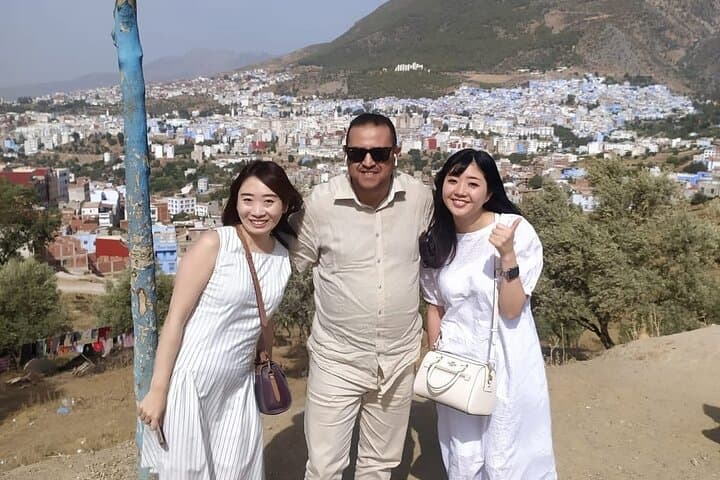
Chefchaouen’s medina is calmer than larger Moroccan cities, its painted walls a local craft tradition and a practical sun-break. Local markets trade olives, goat cheese and woven textiles; drivers and riads are repository-knowledge for routes and mealtime customs.
Practical guidance: travel light for quick hotel transfers and short medina walks; comfortable closed shoes are better than sandals on uneven paving. Start early to avoid midday heat between Rabat and Volubilis, and carry layered clothing — mountain mornings are brisk, afternoons warm. Bring cash for small vendors and modest tipping for drivers and guides. Water is provided each day, but refill a reusable bottle to cut plastic. The pacing is relaxed but time-limited: allow for photography stops and quick market detours — the trip rewards curiosity as much as planning.
easy.
2 days.
Suitable for travelers of most fitness levels; involves short walks in medinas and at archaeological sites.
Yes — the tour is labeled suitable for all fitness levels; travel is by private car with short, optional walks in towns and sites.
The sample itinerary notes that Volubilis admission is not included, so budget for site entry separately unless otherwise stated at booking.
This tour offers private transportation and pickup is arranged in Casablanca; request specific pickup or drop-off points during booking and confirm details with the operator.
A professional multilingual driver is provided; confirm preferred languages when booking to ensure a match.
The route stitches Roman provincial Volubilis to Morocco’s Alaouite-era imperial sites; these places record layers of Mediterranean trade, Roman administration and Moroccan dynastic power.
Chefchaouen and archaeological sites manage visitor impact through narrow visitor flows; travelers should avoid touching fragile mosaics and minimize plastic waste.
Casablanca Prestige Tours operates guided outdoor trips and adventures with an emphasis on safety, stewardship, and memorable experiences.
The road opens beneath an Atlantic sky as a private driver escorts you from Casablanca’s waterfront past the Hassan II Mosque, its minaret standing like a measured invitation to the coast. You feel the highway ease under the tires, then the land changes — citrus groves give way to the rolling folds of the Rif Mountains and, at dusk, the blue alleys of Chefchaouen glow against a cooling air.
The road opens beneath an Atlantic sky as a private driver escorts you from Casablanca’s waterfront past the Hassan II Mosque, its minaret standing like a measured invitation to the coast. You feel the highway ease under the tires, then the land changes — citrus groves give way to the rolling folds of the Rif Mountains and, at dusk, the blue alleys of Chefchaouen glow against a cooling air.
This two-day route threads imperial cities and Roman ruins: Rabat’s Hassan Tower and the Mausoleum of Mohammed V reflect Alaouite ambition; Volubilis’ mosaics and colonnades record Roman North Africa’s provincial life; Meknes’ Bab Mansour shows 17th-century Moroccan court power. Geologically, you cross coastal plains into the schist and limestone of the Rif — the mountains shape water, agriculture and the townscapes you pass.
Chefchaouen’s medina is calmer than larger Moroccan cities, its painted walls a local craft tradition and a practical sun-break. Local markets trade olives, goat cheese and woven textiles; drivers and riads are repository-knowledge for routes and mealtime customs.
Practical guidance: travel light for quick hotel transfers and short medina walks; comfortable closed shoes are better than sandals on uneven paving. Start early to avoid midday heat between Rabat and Volubilis, and carry layered clothing — mountain mornings are brisk, afternoons warm. Bring cash for small vendors and modest tipping for drivers and guides. Water is provided each day, but refill a reusable bottle to cut plastic. The pacing is relaxed but time-limited: allow for photography stops and quick market detours — the trip rewards curiosity as much as planning.