THE ADVENTURE COLLECTIVE® · Independent discovery and booking for outdoor travel

A focused, private half‑day through Casablanca’s coastal highlights: the Hassan II Mosque, Mohammed V Square and the Habous Quarter. Expect five hours of guided history, architecture and market life with practical tips on dress, timing, and accessibility.
A focused, private half‑day through Casablanca’s coastal highlights: the Hassan II Mosque, Mohammed V Square and the Habous Quarter. Expect five hours of guided history, architecture and market life with practical tips on dress, timing, and accessibility.
The Atlantic wind pushes across the corniche as the minaret of the Hassan II Mosque slices the skyline, its tilework catching light like a compass for the curious. On a private half‑day, the city unwraps itself in short chapters: a coastal mosque perched over the surf, a broad civic square that hums with daily life, then the shaded alleys of the Habous where copperware and spices crowd the shelves.
Verified experiences and guided adventures in the surrounding area.
Operated by Typically Morocco Tours · Casablanca, Casablanca-Settat
The Atlantic wind pushes across the corniche as the minaret of the Hassan II Mosque slices the skyline, its tilework catching light like a compass for the curious. On a private half‑day, the city unwraps itself in short chapters: a coastal mosque perched over the surf, a broad civic square that hums with daily life, then the shaded alleys of the Habous where copperware and spices crowd the shelves.
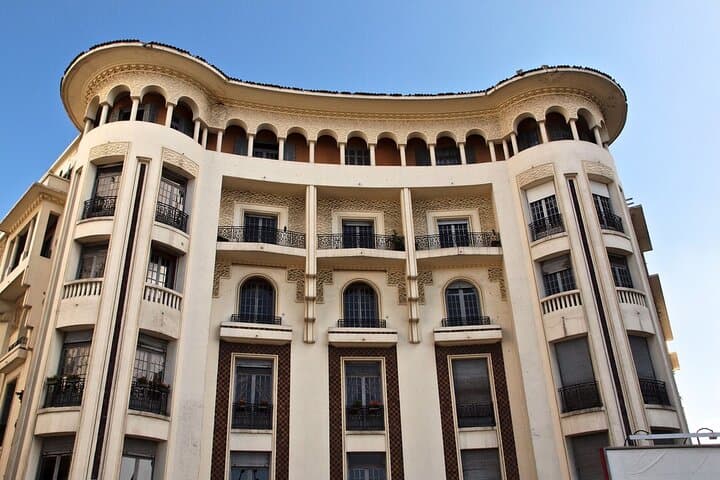
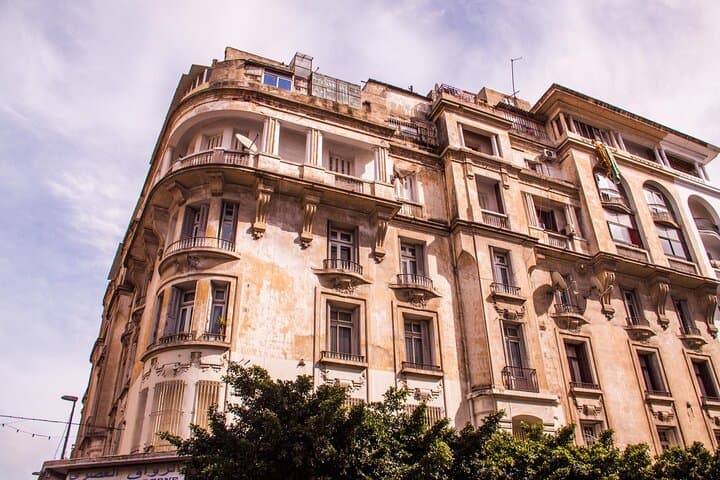
Casablanca’s modern face grew under French protectorate planning in the early 20th century, built on older foundations from the medieval port of Anfa and later Portuguese outposts. Geology is simple here: a low Atlantic littoral plain with sand, reclaimed land and seaworn rock that shaped the city’s harbor and promenade. Culture reads in architecture — Moorish revival facades meet art deco municipal blocks and contemporary glass. Locals move between cafes, courts and souks; vendors call, gulls wheel over the port, and stray cats rule quiet courtyards.
Practical guidance: plan for five hours, bring a scarf for mosque entry (modest dress required), and schedule the visit in the cooler morning to avoid traffic and heat. The tour uses an air‑conditioned vehicle and includes bottled water and coffee. Wear comfortable shoes—pavement and short walks through alleys are the norm—and carry small change for market purchases and tips. Accessibility is good for wheelchairs in the vehicle, though some historic sites have steps. This private format lets travelers set pace and priorities while giving a compact, navigable introduction to Casablanca’s coastal rhythm and layered history.
easy.
5 hours.
Suitable for most fitness levels—expect short walks on pavement and cobblestones; minimal elevation change.
The tour visits the exterior and arranges time to join a guided mosque tour if available, but some tours exclude admission—confirm at booking.
Yes—modest dress is required for the mosque: shoulders and knees covered; women should bring a scarf to cover their heads if needed.
Transportation is wheelchair accessible and the itinerary notes accessibility, though some historic sites and alleys may have steps or uneven surfaces.
Moroccan dirham (MAD) is used; carry cash for markets and small purchases, and tipping guides 5–10% is appreciated for private tours.
Casablanca grew from the medieval port of Anfa, saw Portuguese and later French protectorate influence, and became Morocco’s commercial capital during 20th‑century urban planning.
Coastal development and tourism pressure affect shoreline habitats; support local businesses and avoid single‑use plastics to reduce impact.
Typically Morocco Tours operates guided outdoor trips and adventures with an emphasis on safety, stewardship, and memorable experiences.
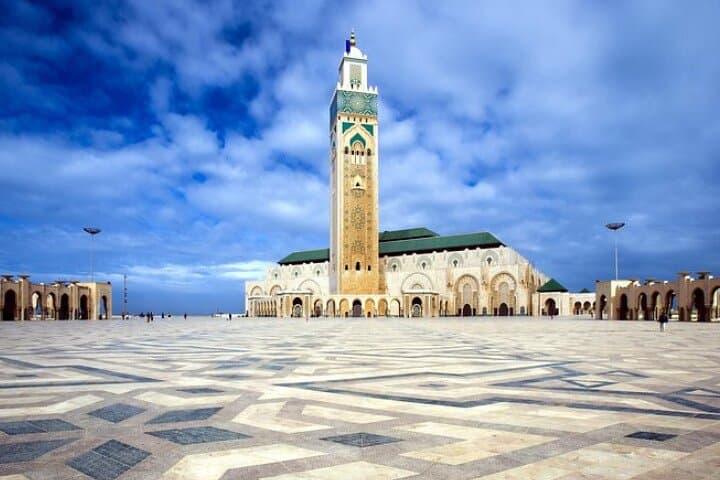
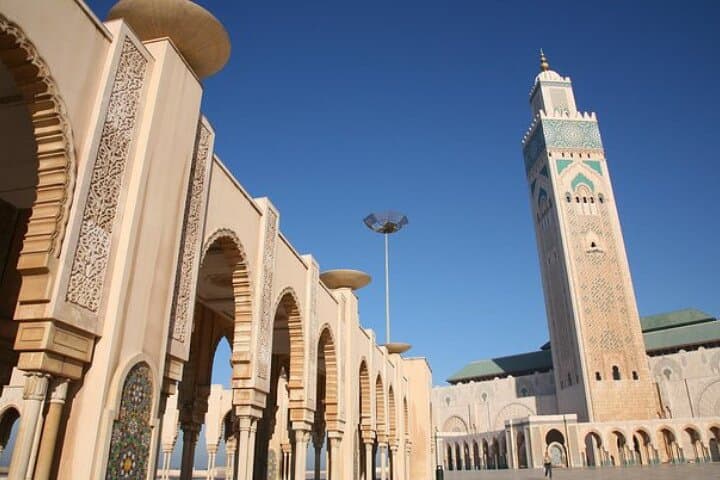
The Atlantic wind pushes across the corniche as the minaret of the Hassan II Mosque slices the skyline, its tilework catching light like a compass for the curious. On a private half‑day, the city unwraps itself in short chapters: a coastal mosque perched over the surf, a broad civic square that hums with daily life, then the shaded alleys of the Habous where copperware and spices crowd the shelves.
The Atlantic wind pushes across the corniche as the minaret of the Hassan II Mosque slices the skyline, its tilework catching light like a compass for the curious. On a private half‑day, the city unwraps itself in short chapters: a coastal mosque perched over the surf, a broad civic square that hums with daily life, then the shaded alleys of the Habous where copperware and spices crowd the shelves.
Casablanca’s modern face grew under French protectorate planning in the early 20th century, built on older foundations from the medieval port of Anfa and later Portuguese outposts. Geology is simple here: a low Atlantic littoral plain with sand, reclaimed land and seaworn rock that shaped the city’s harbor and promenade. Culture reads in architecture — Moorish revival facades meet art deco municipal blocks and contemporary glass. Locals move between cafes, courts and souks; vendors call, gulls wheel over the port, and stray cats rule quiet courtyards.
Practical guidance: plan for five hours, bring a scarf for mosque entry (modest dress required), and schedule the visit in the cooler morning to avoid traffic and heat. The tour uses an air‑conditioned vehicle and includes bottled water and coffee. Wear comfortable shoes—pavement and short walks through alleys are the norm—and carry small change for market purchases and tips. Accessibility is good for wheelchairs in the vehicle, though some historic sites have steps. This private format lets travelers set pace and priorities while giving a compact, navigable introduction to Casablanca’s coastal rhythm and layered history.