THE ADVENTURE COLLECTIVE® · Independent discovery and booking for outdoor travel

Explore Casablanca’s shoreline grandeur and its quieter backstreets in a single half-day experience. Visit Hassan II Mosque, stroll the Habous Quarter, and drive the Corniche with local insights and seamless transport.
Explore Casablanca’s shoreline grandeur and its quieter backstreets in a single half-day experience. Visit Hassan II Mosque, stroll the Habous Quarter, and drive the Corniche with local insights and seamless transport.
The ocean edge arrives before the city does: wind from the Atlantic brushes the Corniche, pushing a cool salt scent into the wide avenues as your vehicle slips through Casablanca’s mix of modern boulevards and older quarters.
Verified experiences and guided adventures in the surrounding area.
Operated by TOP TRIP MOROCCO · Casablanca, Casablanca-Settat
The ocean edge arrives before the city does: wind from the Atlantic brushes the Corniche, pushing a cool salt scent into the wide avenues as your vehicle slips through Casablanca’s mix of modern boulevards and older quarters.
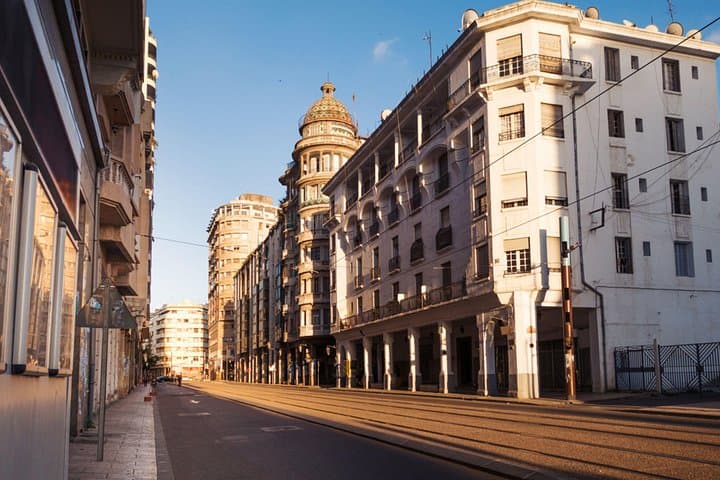
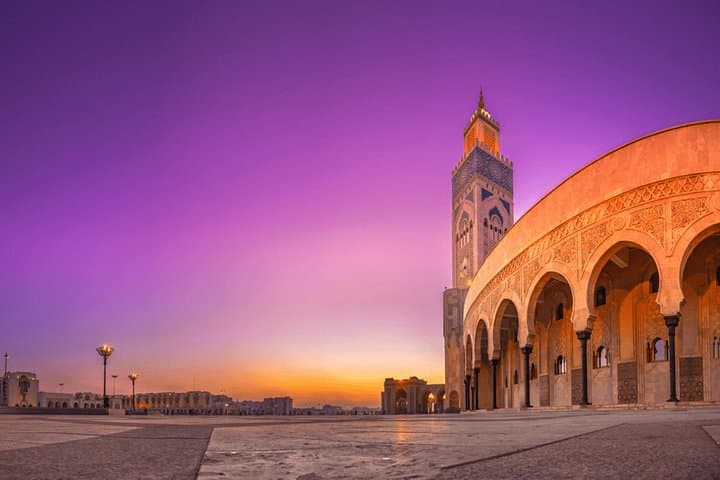
Start where the city meets the sea—Hassan II Mosque rises on reclaimed land with a minaret that squares against the sky; its terraces and cedar-carved ceilings speak of 20th-century Morocco’s ambitions. Move inland to the Habous Quarter, where French-era planning meets Moroccan craft stalls, narrow lanes revealing quiet courtyards and small bakeries. Mohammed V Square and the surrounding colonial architecture show Casablanca’s role as a 20th-century administrative center; the Royal Palace can be admired from its gates while Rick’s Café offers a classic photo stop that recalls the city’s cinematic associations.
Geology here is coastal plain meeting the Atlas foothills to the east; the city’s stone and tile traditions reflect local materials and Atlantic trade routes. Cultural rhythms are visible in market bargaining, prayer calls, and café terraces—guides deepen the visit with neighborhood stories and social context.
Practical guidance: expect 4–5 hours with light walking on paved streets and some steps inside historic sites. Wear comfortable walking shoes, carry sun protection and a refillable bottle—the tour includes bottled water, but a reusable bottle reduces waste. Morning departures avoid afternoon heat and offer cleaner light for photos. The tour’s private transport and hotel pickup make logistics simple; bring modest attire for mosque entry and a camera for coastal views.
easy.
4–5 hours.
Light fitness—able to walk 1–3 miles with standing periods and short staircases.
The tour lists mosque entrance as included for the main visit when the option is selected; confirm your booking choice to ensure admission is covered.
The tour notes wheelchair accessibility and accessible surfaces; confirm any specific mobility needs with the operator before booking.
Guides are registered local experts who commonly speak English and French; check language preference at booking to confirm.
Yes—private transport includes pickup and drop-off from hotels, the port, or other locations within Casablanca.
Casablanca grew from a modest port to Morocco’s economic center during French protectorate development in the early 20th century; architecture reflects both Moroccan craft and European planning.
Coastal erosion and urban waste are local concerns—choosing reusable bottles and following waste bins helps reduce impact; support local businesses that use responsible sourcing.
TOP TRIP MOROCCO operates guided outdoor trips and adventures with an emphasis on safety, stewardship, and memorable experiences.
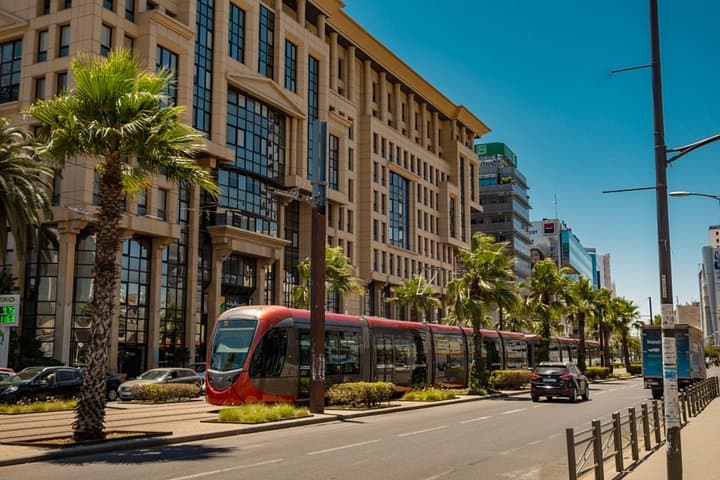
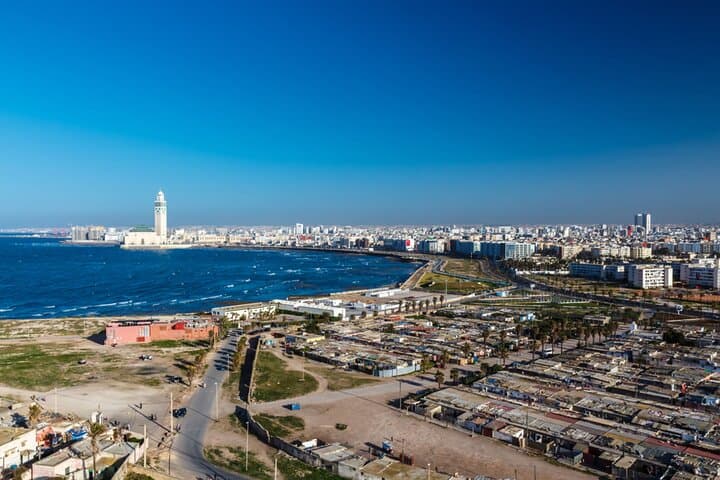
The ocean edge arrives before the city does: wind from the Atlantic brushes the Corniche, pushing a cool salt scent into the wide avenues as your vehicle slips through Casablanca’s mix of modern boulevards and older quarters.
The ocean edge arrives before the city does: wind from the Atlantic brushes the Corniche, pushing a cool salt scent into the wide avenues as your vehicle slips through Casablanca’s mix of modern boulevards and older quarters.
Start where the city meets the sea—Hassan II Mosque rises on reclaimed land with a minaret that squares against the sky; its terraces and cedar-carved ceilings speak of 20th-century Morocco’s ambitions. Move inland to the Habous Quarter, where French-era planning meets Moroccan craft stalls, narrow lanes revealing quiet courtyards and small bakeries. Mohammed V Square and the surrounding colonial architecture show Casablanca’s role as a 20th-century administrative center; the Royal Palace can be admired from its gates while Rick’s Café offers a classic photo stop that recalls the city’s cinematic associations.
Geology here is coastal plain meeting the Atlas foothills to the east; the city’s stone and tile traditions reflect local materials and Atlantic trade routes. Cultural rhythms are visible in market bargaining, prayer calls, and café terraces—guides deepen the visit with neighborhood stories and social context.
Practical guidance: expect 4–5 hours with light walking on paved streets and some steps inside historic sites. Wear comfortable walking shoes, carry sun protection and a refillable bottle—the tour includes bottled water, but a reusable bottle reduces waste. Morning departures avoid afternoon heat and offer cleaner light for photos. The tour’s private transport and hotel pickup make logistics simple; bring modest attire for mosque entry and a camera for coastal views.