THE ADVENTURE COLLECTIVE® · Independent discovery and booking for outdoor travel

Swim crystalline cenotes, explore cavern pools, and tour the seaside Mayan ruins of Tulum in one full day. This Riviera Maya combo pairs freshwater immersion with coastal archaeology—perfect for a single-day snapshot of nature and history.
Swim crystalline cenotes, explore cavern pools, and tour the seaside Mayan ruins of Tulum in one full day. This Riviera Maya combo pairs freshwater immersion with coastal archaeology—perfect for a single-day snapshot of nature and history.
You step off the van into humid air scented with sea salt and wet limestone—palm fronds clap above and a narrow trail leads toward the first cenote, a bowl of clear groundwater cupped by jungle roots. The day moves between two worlds: subterranean caves where light slices through blue water, and the open, wind-swept platform of the Tulum ruins where waves hiss against the beach below.
Verified experiences and guided adventures in the surrounding area.
Operated by Open Vacations · Tulum, Quintana Roo
You step off the van into humid air scented with sea salt and wet limestone—palm fronds clap above and a narrow trail leads toward the first cenote, a bowl of clear groundwater cupped by jungle roots. The day moves between two worlds: subterranean caves where light slices through blue water, and the open, wind-swept platform of the Tulum ruins where waves hiss against the beach below.
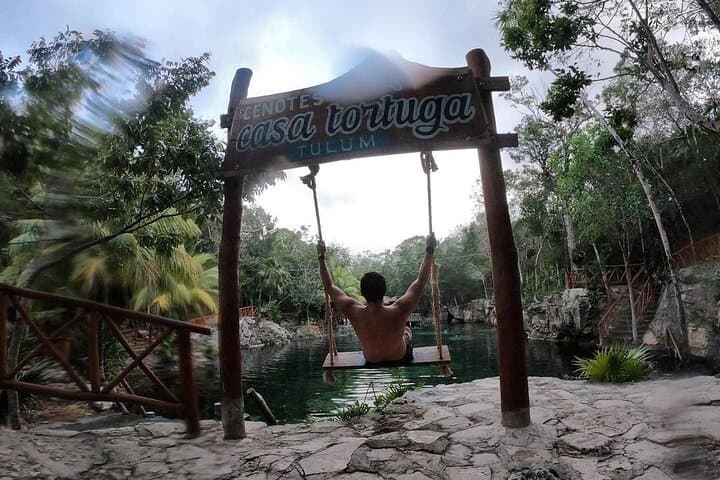
Geologically, these cenotes are collapse features in the Yucatán’s porous karst—fresh groundwater that filters through limestone and hangs in caverns. Culturally, Tulum was a Late Postclassic Maya port; the compact seaside site combines ritual architecture with practical trade history. Local guides at Casa Tortuga will explain how cenotes were both water sources and sacred thresholds in pre-Columbian life.
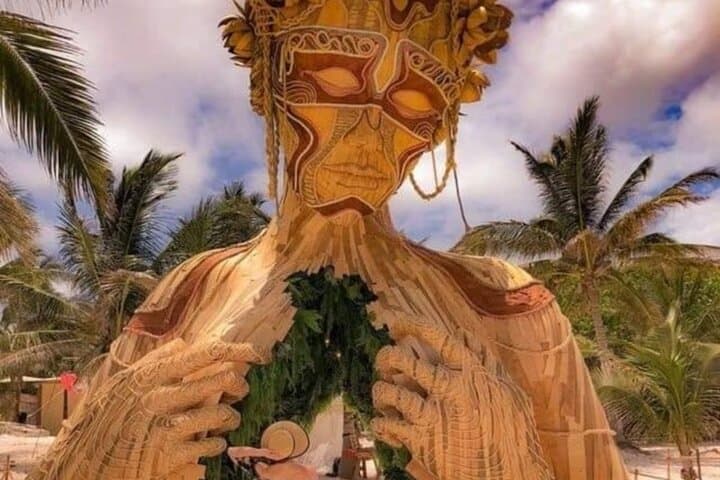
Expect roughly a 10-hour outing: two guided cenote stops (one cavern-style, one open), time to pick a favorite for a longer swim, a regional plated meal, a guided visit to the Tulum archaeological site, a quick stop at the Mother Nature monument, and free time on Playa del Carmen’s Fifth Avenue.
Practicalities are straightforward: bring swimwear, quick-drying towel, reef‑safe sunscreen (apply after leaving water), cash for the optional Tulum preservation tax (~USD25) and souvenirs, and comfortable shoes for uneven paths at the ruins. The pace is relaxed but long—hydrate early and plan pickup times with the supplier. The trip balances freshwater immersion and coastal history, ideal for travelers who want a single-day sketch of Riviera Maya’s natural and cultural highlights.
easy.
10 hours.
Suitable for moderate mobility; participants should be able to walk short uneven sections and swim in calm waters.
No—the common preservation tax (around USD25 per person) is not included and must be paid on-site at the ruins.
Open cenotes are generally safe; life jackets are usually available—ask your guide and stay within your comfort zone.
Round-trip transportation is included, but you must confirm exact pickup time and location with the supplier based on your hotel address.
You can, but waterproof protection is recommended; be cautious of slips on wet limestone and respect park restrictions on flash photography.
Tulum was a Late Postclassic Maya coastal trading post that guarded maritime routes; its cliff-top setting made it both strategic and ceremonial.
Cenote ecosystems are fragile—use reef-safe products, avoid touching formations, and follow park rules to minimize impact.
Open Vacations operates guided outdoor trips and adventures with an emphasis on safety, stewardship, and memorable experiences.
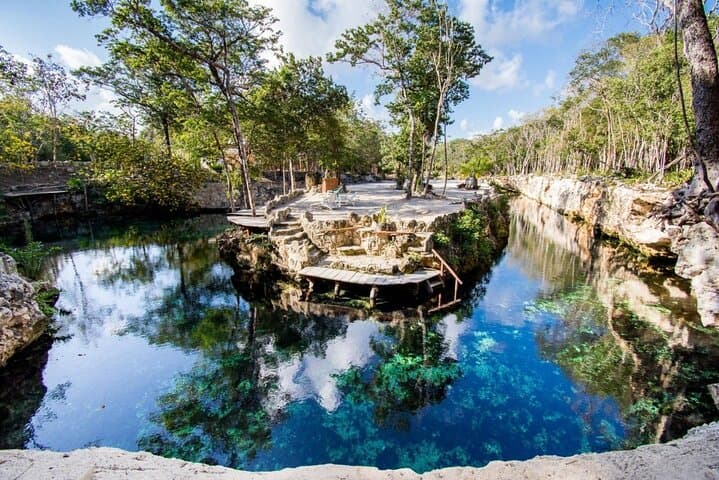
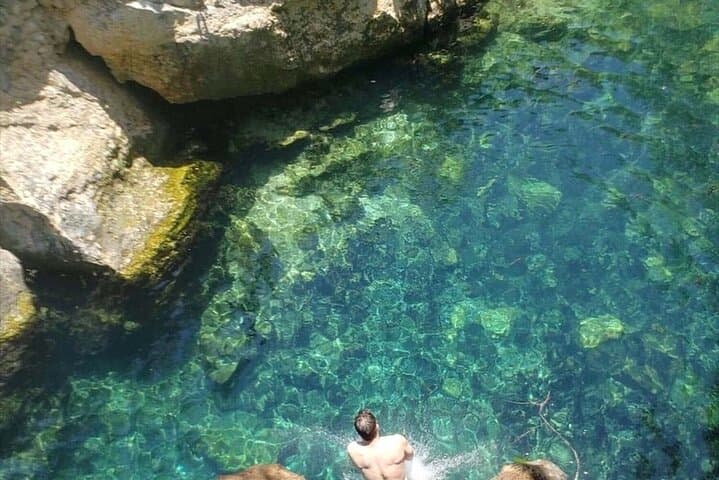
You step off the van into humid air scented with sea salt and wet limestone—palm fronds clap above and a narrow trail leads toward the first cenote, a bowl of clear groundwater cupped by jungle roots. The day moves between two worlds: subterranean caves where light slices through blue water, and the open, wind-swept platform of the Tulum ruins where waves hiss against the beach below.
You step off the van into humid air scented with sea salt and wet limestone—palm fronds clap above and a narrow trail leads toward the first cenote, a bowl of clear groundwater cupped by jungle roots. The day moves between two worlds: subterranean caves where light slices through blue water, and the open, wind-swept platform of the Tulum ruins where waves hiss against the beach below.
Geologically, these cenotes are collapse features in the Yucatán’s porous karst—fresh groundwater that filters through limestone and hangs in caverns. Culturally, Tulum was a Late Postclassic Maya port; the compact seaside site combines ritual architecture with practical trade history. Local guides at Casa Tortuga will explain how cenotes were both water sources and sacred thresholds in pre-Columbian life.
Expect roughly a 10-hour outing: two guided cenote stops (one cavern-style, one open), time to pick a favorite for a longer swim, a regional plated meal, a guided visit to the Tulum archaeological site, a quick stop at the Mother Nature monument, and free time on Playa del Carmen’s Fifth Avenue.
Practicalities are straightforward: bring swimwear, quick-drying towel, reef‑safe sunscreen (apply after leaving water), cash for the optional Tulum preservation tax (~USD25) and souvenirs, and comfortable shoes for uneven paths at the ruins. The pace is relaxed but long—hydrate early and plan pickup times with the supplier. The trip balances freshwater immersion and coastal history, ideal for travelers who want a single-day sketch of Riviera Maya’s natural and cultural highlights.