THE ADVENTURE COLLECTIVE® · Independent discovery and booking for outdoor travel

Skim across Casa Cenote on a stand-up paddleboard, slip a mask into mangrove channels, and finish with tacos in Tulum town. This half-day tour blends easy paddling, guided snorkeling, and local insights into a small-group, low-impact adventure.
Skim across Casa Cenote on a stand-up paddleboard, slip a mask into mangrove channels, and finish with tacos in Tulum town. This half-day tour blends easy paddling, guided snorkeling, and local insights into a small-group, low-impact adventure.
The first paddle stroke parts a sheet of glass. Light pools beneath the board, and the mangroves lean in like curious hosts, their roots tangling through clear, brackish water that smells faintly of earth and salt. On a half-day tour from Tulum, small groups slip from shore into a world that feels both fragile and very alive: paddleboards skim silent pools, snorkel masks reveal darting fish beneath submerged roots, and a guide times each stop so the water and light are at their most revealing.
Verified experiences and guided adventures in the surrounding area.
Operated by Mexican Caribbean Kitesurf · Tulum, Quintana Roo
The first paddle stroke parts a sheet of glass. Light pools beneath the board, and the mangroves lean in like curious hosts, their roots tangling through clear, brackish water that smells faintly of earth and salt. On a half-day tour from Tulum, small groups slip from shore into a world that feels both fragile and very alive: paddleboards skim silent pools, snorkel masks reveal darting fish beneath submerged roots, and a guide times each stop so the water and light are at their most revealing.
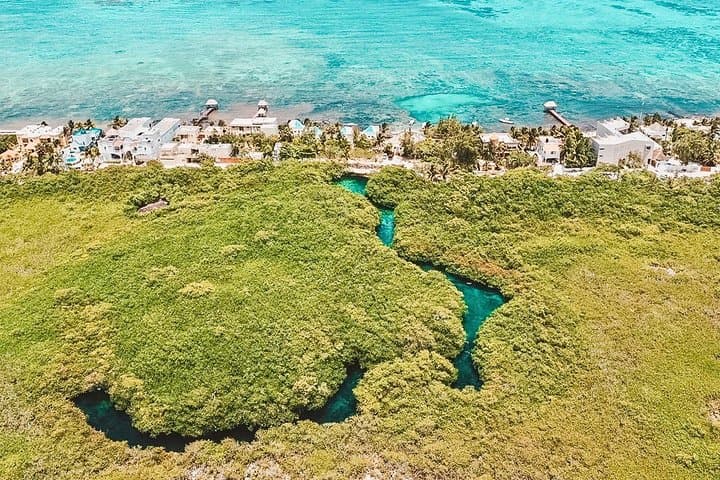
Casa Cenote sits where limestone gives way to a slow, tidal channel — a geologic seam where groundwater and Caribbean tides meet. The Maya revered these sinkholes as sources of life; here the water is shallow and clear enough to read the bottom, a contrast to the deep cenotes inland. Mangroves frame the route and act like gatekeepers, filtering the water as birds and small fish move through the roots.
Culturally, the area is a transition zone: Tulum Town’s easygoing local life feeds into the coastline’s tourism circuit, but the cenote retains a quieter, local rhythm. Guides are often born to the region and fold practical Mayan knowledge into modern safety: how to move slowly through a mangrove channel, where turtles like to sun themselves, and which channels widen into swimming caverns.
Practicalities are simple and deliberate. The tour is four hours, round-trip transport from Tulum Town included, and equipment — stand-up paddleboard, snorkel gear, and a certified local guide — is supplied and sanitized after each outing. Expect paddle instruction, a guided snorkel through mangrove roots, and an optional free-dive intro for those curious about breath-hold techniques. The group size is small (2–5 people), which keeps the experience personal and low-impact. Lunch of local tacos is provided on return.
Preparation matters more than fitness. There’s no elevation gain, but paddling and snorkeling require balance and steady footing; beginners are welcome, and guides coach technique. Note the operator’s sunscreen policy — avoid barrier sunscreens that harm aquatic habitats; a rash guard and hat are recommended instead. Bring a towel, biodegradable sunscreen if allowed, a refillable water bottle, and a small amount of cash for tips.
Timing is part of the art: mornings bring calmer water and sharper visibility for snorkeling; late afternoons slant the light through roots and make for dramatic photos. Respect the environment—do not touch roots or wildlife—and you’ll leave the mangroves as you found them: clear, curious, and waiting for the next paddle stroke.
easy.
3–4 hours.
Good for most fitness levels: you should be comfortable standing and paddling for 20–40 minutes and able to swim short distances.
No — the tour is suitable for beginners; guides offer basic paddle instruction and snorkeling coaching before entering the water.
Operators often ask guests not to use chemical sunscreens in the water; wear a rash guard or use reef-safe biodegradable sunscreen if permitted.
Groups are small, typically 2–5 people, keeping the outing personal and minimizing environmental impact.
Yes — private vehicle transport from Tulum Town to the meeting point is included in the tour price.
Children ages 3–11 can join but may need to share a board with a parent and pay a special price; confirm with the operator at booking.
Full refund if canceled at least 24 hours before the tour; tours may be rescheduled or refunded for poor weather.
Cenotes were vital freshwater sources for the Maya and remain culturally significant; Casa Cenote sits where groundwater meets coastal tides, creating a unique brackish ecosystem.
The operator enforces low group sizes, equipment disinfection, and restrictions on sunscreen to protect fragile mangrove and cenote habitats.
Mexican Caribbean Kitesurf operates guided outdoor trips and adventures with an emphasis on safety, stewardship, and memorable experiences.
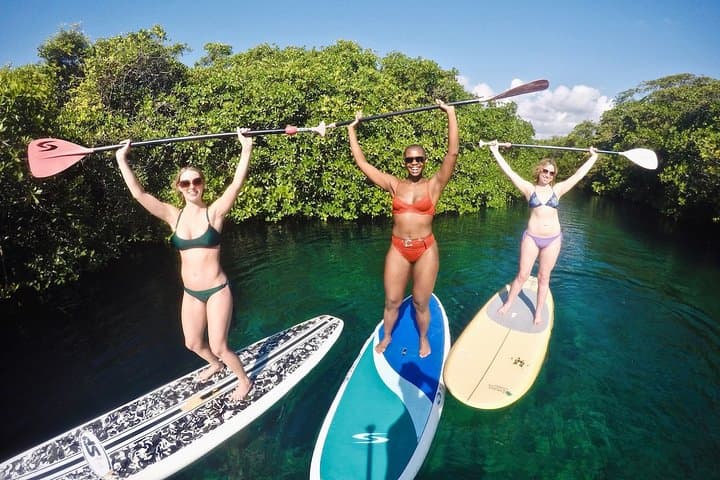
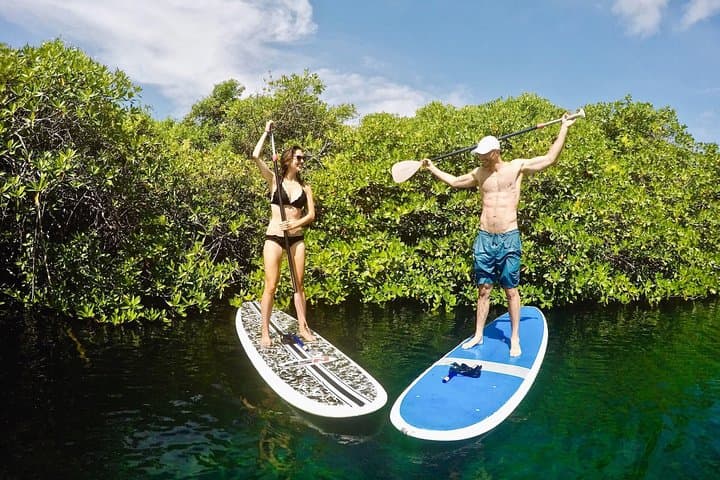
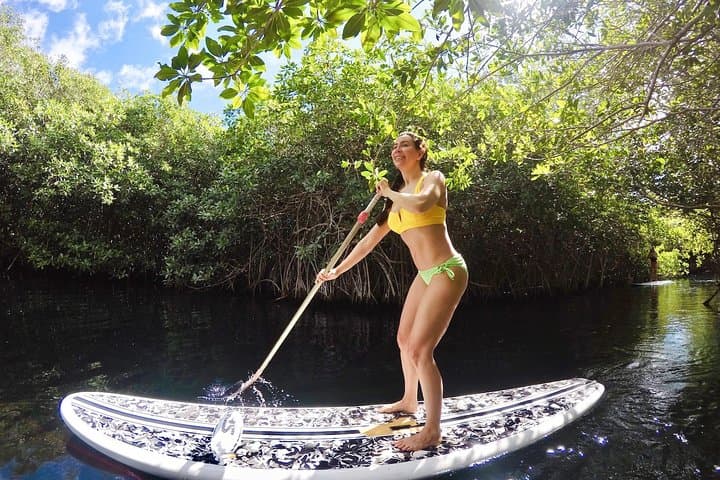
The first paddle stroke parts a sheet of glass. Light pools beneath the board, and the mangroves lean in like curious hosts, their roots tangling through clear, brackish water that smells faintly of earth and salt. On a half-day tour from Tulum, small groups slip from shore into a world that feels both fragile and very alive: paddleboards skim silent pools, snorkel masks reveal darting fish beneath submerged roots, and a guide times each stop so the water and light are at their most revealing.
The first paddle stroke parts a sheet of glass. Light pools beneath the board, and the mangroves lean in like curious hosts, their roots tangling through clear, brackish water that smells faintly of earth and salt. On a half-day tour from Tulum, small groups slip from shore into a world that feels both fragile and very alive: paddleboards skim silent pools, snorkel masks reveal darting fish beneath submerged roots, and a guide times each stop so the water and light are at their most revealing.
Casa Cenote sits where limestone gives way to a slow, tidal channel — a geologic seam where groundwater and Caribbean tides meet. The Maya revered these sinkholes as sources of life; here the water is shallow and clear enough to read the bottom, a contrast to the deep cenotes inland. Mangroves frame the route and act like gatekeepers, filtering the water as birds and small fish move through the roots.
Culturally, the area is a transition zone: Tulum Town’s easygoing local life feeds into the coastline’s tourism circuit, but the cenote retains a quieter, local rhythm. Guides are often born to the region and fold practical Mayan knowledge into modern safety: how to move slowly through a mangrove channel, where turtles like to sun themselves, and which channels widen into swimming caverns.
Practicalities are simple and deliberate. The tour is four hours, round-trip transport from Tulum Town included, and equipment — stand-up paddleboard, snorkel gear, and a certified local guide — is supplied and sanitized after each outing. Expect paddle instruction, a guided snorkel through mangrove roots, and an optional free-dive intro for those curious about breath-hold techniques. The group size is small (2–5 people), which keeps the experience personal and low-impact. Lunch of local tacos is provided on return.
Preparation matters more than fitness. There’s no elevation gain, but paddling and snorkeling require balance and steady footing; beginners are welcome, and guides coach technique. Note the operator’s sunscreen policy — avoid barrier sunscreens that harm aquatic habitats; a rash guard and hat are recommended instead. Bring a towel, biodegradable sunscreen if allowed, a refillable water bottle, and a small amount of cash for tips.
Timing is part of the art: mornings bring calmer water and sharper visibility for snorkeling; late afternoons slant the light through roots and make for dramatic photos. Respect the environment—do not touch roots or wildlife—and you’ll leave the mangroves as you found them: clear, curious, and waiting for the next paddle stroke.