THE ADVENTURE COLLECTIVE® · Independent discovery and booking for outdoor travel

Float into the luminous world beneath Casa Cenote — an ideal first scuba dive or refresher for certified divers. Learn the basics in shallow water, then explore mangrove-rooted caverns to 12 m under the calm guidance of an experienced instructor.
Float into the luminous world beneath Casa Cenote — an ideal first scuba dive or refresher for certified divers. Learn the basics in shallow water, then explore mangrove-rooted caverns to 12 m under the calm guidance of an experienced instructor.
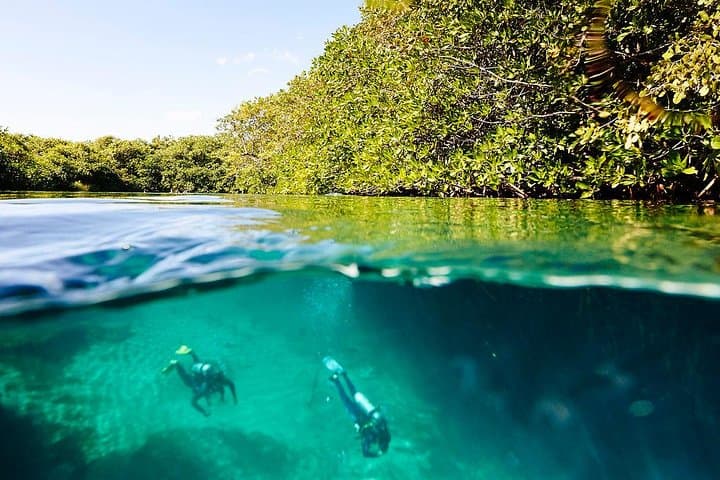
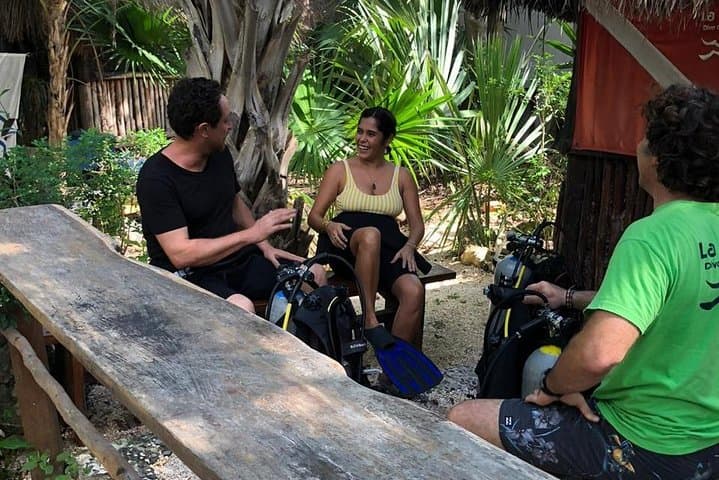
The air smells of damp limestone and salt when the group gathers at a small cabin in Tulum’s quieter edge. An instructor checks masks and regulators with deliberate calm; a stone wall and a tropical garden frame the meeting point while the van hums toward a mangrove opening fifteen minutes away. At Casa Cenote the surface is a mirror that hides a carved world below — shallow light pools, braided mangrove roots, and a cathedral of water that invites first-timers to breathe slower and deeper.
Verified experiences and guided adventures in the surrounding area.
Operated by La Calypso Dive Center · Tulum, Quintana Roo
The air smells of damp limestone and salt when the group gathers at a small cabin in Tulum’s quieter edge. An instructor checks masks and regulators with deliberate calm; a stone wall and a tropical garden frame the meeting point while the van hums toward a mangrove opening fifteen minutes away. At Casa Cenote the surface is a mirror that hides a carved world below — shallow light pools, braided mangrove roots, and a cathedral of water that invites first-timers to breathe slower and deeper.
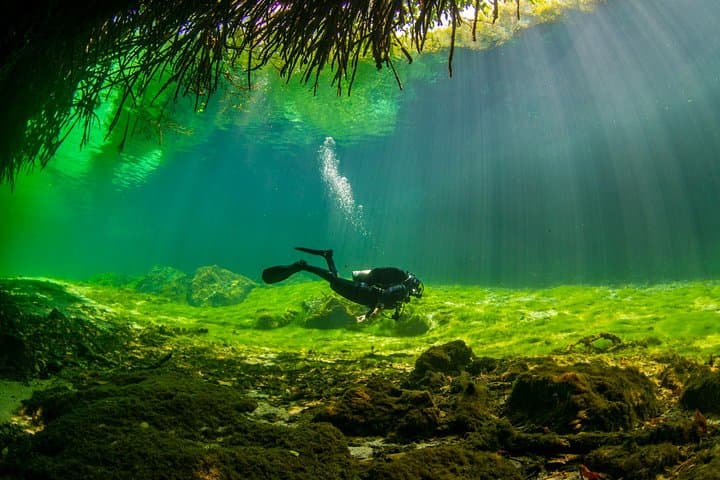
Cenotes are Yucatán’s signature geology: sinkholes where collapsed limestone reveals the fresh, clear aquifer beneath. For the Maya these sites were sources of life and portals to the underworld; today they offer one of the safest and most surreal places to learn scuba. The water here is brackish where mangroves meet the sea, creating a stable thermal layer and visibility that often makes the underwater world feel unreal — luminous shafts, root-laced caverns and curious endemic fish willing to investigate a new silhouette.
This program is tailored for people who've never dived and for certified divers needing a refresher. The itinerary is pragmatic: a full briefing at the dive center covering gear, hand signals, and emergency procedures; practical exercises in shallow water to build confidence; then a guided cenote dive with a 2 m initial familiarization and progression to a 12 m maximum depth. The in-water time is roughly 40 minutes, while the total experience runs about 4–5 hours including transport, prep, and debrief. The operator supplies full scuba equipment, entrance fee, bottled water and snacks, and an experienced instructor who manages buoyancy, pacing and line-of-sight guidance.
Practicalities matter here. All participants must be able to swim and complete a health questionnaire; the tour advises against diving if pregnant or if you have serious heart or spinal issues. The guide will recommend waiting 12–24 hours before flying after your dive and asks guests to avoid lotions or non-reef-safe sunscreen that can contaminate the cenote. Morning trips deliver the clearest light and calmest surface; afternoons can bring more boat traffic and wind.
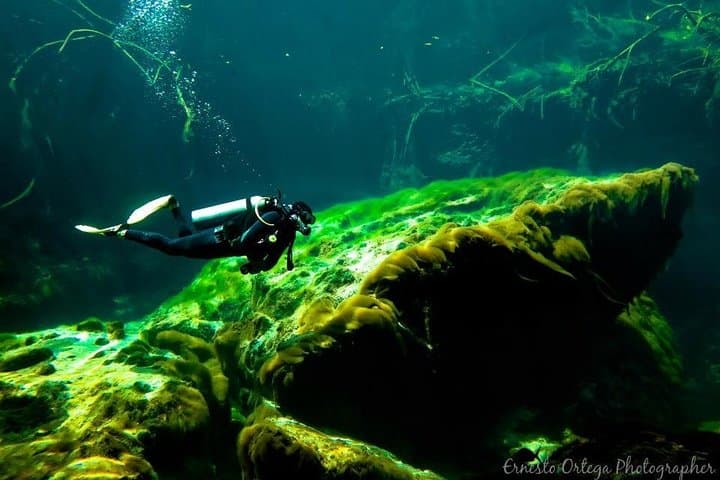
For a first dive the focus is simple: relaxation, breathing, and orientation. Expect to float through mangrove root forests from underneath, watch small tropical fish weave through shadow and beam, and leave with a clear sense of how diving can shift perception. Pack a swimsuit, towel, ID, and an easy-to-change layer — and plan to spend a quieter afternoon with a new kind of memory etched in blue-green water.
easy.
4–5 hours.
Suitable for people in general good health who can swim; not strenuous but requires comfort in water
No — the program is designed for first-time divers and includes a full beginner briefing and skills session; certified divers can use it as a refresher.
The guided dive reaches up to 12 meters with about 40 minutes of in-water time depending on air consumption and comfort.
Yes — roundtrip transport from the specified meeting point in Tulum to Casa Cenote is included in the tour price.
Minimum age can vary; children must be competent swimmers—confirm age policies with the operator when booking.
No — the operator recommends waiting at least 12–24 hours before flying; follow their specific guidance on your trip day.
Instructors start in very shallow water and teach breathing and communication techniques; they progress at each diver’s comfort level and will abort the dive if you’re uncomfortable.
Cenotes were freshwater lifelines and sacred sites for the Maya; the Yucatán’s karst landscape formed over millennia as limestone collapsed and revealed underground rivers.
Cenotes are fragile freshwater habitats—use reef-safe products, avoid touching formations or stirring sediment, and follow guide directions to minimize impact.
La Calypso Dive Center operates guided outdoor trips and adventures with an emphasis on safety, stewardship, and memorable experiences.
The air smells of damp limestone and salt when the group gathers at a small cabin in Tulum’s quieter edge. An instructor checks masks and regulators with deliberate calm; a stone wall and a tropical garden frame the meeting point while the van hums toward a mangrove opening fifteen minutes away. At Casa Cenote the surface is a mirror that hides a carved world below — shallow light pools, braided mangrove roots, and a cathedral of water that invites first-timers to breathe slower and deeper.
The air smells of damp limestone and salt when the group gathers at a small cabin in Tulum’s quieter edge. An instructor checks masks and regulators with deliberate calm; a stone wall and a tropical garden frame the meeting point while the van hums toward a mangrove opening fifteen minutes away. At Casa Cenote the surface is a mirror that hides a carved world below — shallow light pools, braided mangrove roots, and a cathedral of water that invites first-timers to breathe slower and deeper.
Cenotes are Yucatán’s signature geology: sinkholes where collapsed limestone reveals the fresh, clear aquifer beneath. For the Maya these sites were sources of life and portals to the underworld; today they offer one of the safest and most surreal places to learn scuba. The water here is brackish where mangroves meet the sea, creating a stable thermal layer and visibility that often makes the underwater world feel unreal — luminous shafts, root-laced caverns and curious endemic fish willing to investigate a new silhouette.
This program is tailored for people who've never dived and for certified divers needing a refresher. The itinerary is pragmatic: a full briefing at the dive center covering gear, hand signals, and emergency procedures; practical exercises in shallow water to build confidence; then a guided cenote dive with a 2 m initial familiarization and progression to a 12 m maximum depth. The in-water time is roughly 40 minutes, while the total experience runs about 4–5 hours including transport, prep, and debrief. The operator supplies full scuba equipment, entrance fee, bottled water and snacks, and an experienced instructor who manages buoyancy, pacing and line-of-sight guidance.
Practicalities matter here. All participants must be able to swim and complete a health questionnaire; the tour advises against diving if pregnant or if you have serious heart or spinal issues. The guide will recommend waiting 12–24 hours before flying after your dive and asks guests to avoid lotions or non-reef-safe sunscreen that can contaminate the cenote. Morning trips deliver the clearest light and calmest surface; afternoons can bring more boat traffic and wind.
For a first dive the focus is simple: relaxation, breathing, and orientation. Expect to float through mangrove root forests from underneath, watch small tropical fish weave through shadow and beam, and leave with a clear sense of how diving can shift perception. Pack a swimsuit, towel, ID, and an easy-to-change layer — and plan to spend a quieter afternoon with a new kind of memory etched in blue-green water.