THE ADVENTURE COLLECTIVE® · Independent discovery and booking for outdoor travel

Skip the lines and step inside Gaudí’s most theatrical home on Passeig de Gràcia. This timed-entry ticket gives access to the Noble Floor, loft and roof terrace—expect 60–120 minutes of inventive architecture, mosaics, and city views.
Skip the lines and step inside Gaudí’s most theatrical home on Passeig de Gràcia. This timed-entry ticket gives access to the Noble Floor, loft and roof terrace—expect 60–120 minutes of inventive architecture, mosaics, and city views.
A pale morning sun slides along Passeig de Gràcia and the façade of Casa Batlló catches it like scales—colorful ceramics and undulating stone that refuse to stand still. You pass beneath wrought-iron balconies that curve like ribs and step through a doorway that feels handcrafted to the size of thought itself.
Verified experiences and guided adventures in the surrounding area.
Operated by Trip Knox Ltd · Barcelona, Catalonia
A pale morning sun slides along Passeig de Gràcia and the façade of Casa Batlló catches it like scales—colorful ceramics and undulating stone that refuse to stand still. You pass beneath wrought-iron balconies that curve like ribs and step through a doorway that feels handcrafted to the size of thought itself.
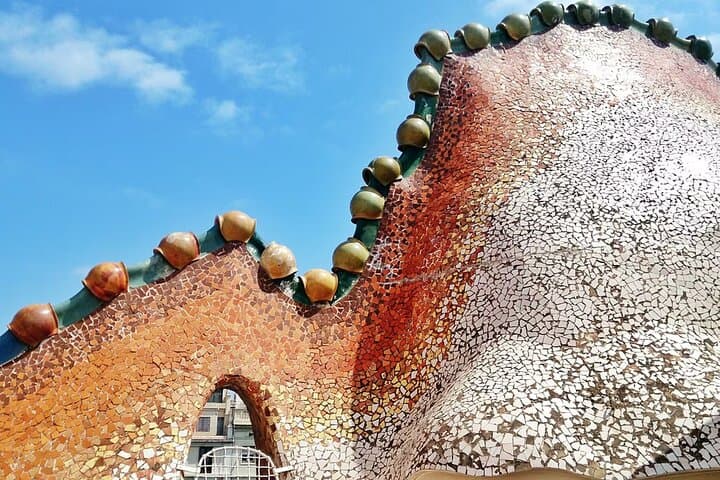
Inside, the light well funnels sunlight through glazed tiles, and staircases rise with the tension of a living spine. Antoni Gaudí remodeled an 1877 building between 1904–1906, converting conventional forms into an architecture of motion and color; Casa Batlló is now a UNESCO World Heritage site and a landmark of Catalan Modernisme. The roof terrace’s chimneys and sinuous chimney pots read like an imagined skyline, and the trencadís mosaics—broken ceramic tesserae—are both decorative and practical, reflecting Barcelona’s material culture and craft traditions.
Practicalities are straightforward: timed entry limits queues, and most visitors spend 60–120 minutes exploring the Noble Floor, loft, and roof terrace; audio guides are available in multiple languages. You’ll walk on polished wood and tiled ramps—comfortable shoes and a light jacket for rooftop breezes make the visit easier. Photography is welcome but avoid tripods and follow staff instructions to protect fragile surfaces.
Plan arrival via metro (Passeig de Gràcia) to avoid parking hassles, and if you can, visit early or late afternoon to catch directional light that brings out the mosaics. Respect the site by not touching delicate finishes and by keeping group noise low—this is an active conservation project as much as a museum. The building rewards attention: quiet details in stairwells and rooftop chimneys reveal Gaudí’s mix of engineering play and civic pride.
easy.
1–2 hours.
Suitable for most fitness levels; involves standing and walking on stairs and ramps.
Most visitors spend 60–120 minutes; allow extra time if you plan to study details or join an audio tour.
Audio guides are offered as an option in multiple languages—check your booking or add it on-site if available.
The building has ramps and an elevator serving major visitor areas, but some historic stair sections may have limited access—contact staff for specifics.
Photography for personal use is generally allowed, but follow staff instructions; avoid flash, tripods, and touching exhibits.
Gaudí remodeled a conventional 19th-century building from 1904–1906, transforming it into an icon of Catalan Modernisme and a UNESCO World Heritage site.
Casa Batlló operates active conservation programs; visitors should avoid touching finishes and follow staff guidance to reduce wear on fragile surfaces.
Trip Knox Ltd operates guided outdoor trips and adventures with an emphasis on safety, stewardship, and memorable experiences.
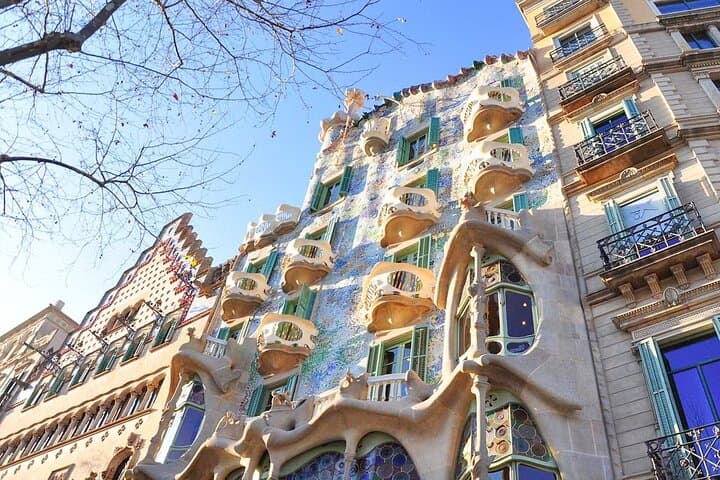
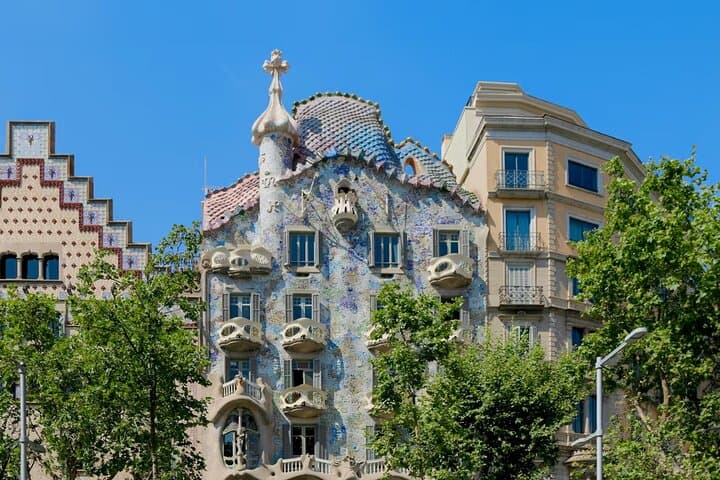
A pale morning sun slides along Passeig de Gràcia and the façade of Casa Batlló catches it like scales—colorful ceramics and undulating stone that refuse to stand still. You pass beneath wrought-iron balconies that curve like ribs and step through a doorway that feels handcrafted to the size of thought itself.
A pale morning sun slides along Passeig de Gràcia and the façade of Casa Batlló catches it like scales—colorful ceramics and undulating stone that refuse to stand still. You pass beneath wrought-iron balconies that curve like ribs and step through a doorway that feels handcrafted to the size of thought itself.
Inside, the light well funnels sunlight through glazed tiles, and staircases rise with the tension of a living spine. Antoni Gaudí remodeled an 1877 building between 1904–1906, converting conventional forms into an architecture of motion and color; Casa Batlló is now a UNESCO World Heritage site and a landmark of Catalan Modernisme. The roof terrace’s chimneys and sinuous chimney pots read like an imagined skyline, and the trencadís mosaics—broken ceramic tesserae—are both decorative and practical, reflecting Barcelona’s material culture and craft traditions.
Practicalities are straightforward: timed entry limits queues, and most visitors spend 60–120 minutes exploring the Noble Floor, loft, and roof terrace; audio guides are available in multiple languages. You’ll walk on polished wood and tiled ramps—comfortable shoes and a light jacket for rooftop breezes make the visit easier. Photography is welcome but avoid tripods and follow staff instructions to protect fragile surfaces.
Plan arrival via metro (Passeig de Gràcia) to avoid parking hassles, and if you can, visit early or late afternoon to catch directional light that brings out the mosaics. Respect the site by not touching delicate finishes and by keeping group noise low—this is an active conservation project as much as a museum. The building rewards attention: quiet details in stairwells and rooftop chimneys reveal Gaudí’s mix of engineering play and civic pride.