THE ADVENTURE COLLECTIVE® · Independent discovery and booking for outdoor travel

Step into Lima’s Plaza Mayor and a living 16th‑century home: Casa de Aliaga offers a compact, private look at colonial Peru with museum rooms, carved balconies and a downtown walking tour. This four‑hour private tour includes hotel pickup and local insights to help you explore the historic center efficiently.
Step into Lima’s Plaza Mayor and a living 16th‑century home: Casa de Aliaga offers a compact, private look at colonial Peru with museum rooms, carved balconies and a downtown walking tour. This four‑hour private tour includes hotel pickup and local insights to help you explore the historic center efficiently.
A wet morning clears above Lima’s Plaza Mayor and the colonial facades breathe out cool, salt-tinged air. You step from an air-conditioned minivan into a grid of stone streets where carved wooden balconies lean like watchful neighbors. The Casa de Aliaga occupies a block-long presence: a 16th-century house that still serves as a home and museum, its rooms layered with colonial furniture, silverwork and objects that trace the city’s transition from conquest to republic.
Verified experiences and guided adventures in the surrounding area.
Operated by Kultour Perú · Lima, Lima Province
A wet morning clears above Lima’s Plaza Mayor and the colonial facades breathe out cool, salt-tinged air. You step from an air-conditioned minivan into a grid of stone streets where carved wooden balconies lean like watchful neighbors. The Casa de Aliaga occupies a block-long presence: a 16th-century house that still serves as a home and museum, its rooms layered with colonial furniture, silverwork and objects that trace the city’s transition from conquest to republic.
The house was built shortly after the Spanish founded Lima and belonged to Jerónimo de Aliaga, a conquistador closely tied to Francisco Pizarro. The downtown’s geology—flat coastal terraces underlain by alluvial soils—made large stately houses possible here, while Spanish urban planning left a grid of plazas and arcades that shape how you move through the center today.
Cultural life concentrates around the cathedral and government palace; vendors sell anticuchos and coffee just off the square. Locals will point out balcony styles—Arabic, French, republican—that mark waves of influence and wealth. A practical visit spends time in the courtyard, the chapel and the period rooms, and lets you observe how a private residence can operate as living history.
Practical guidance: tours are four hours with hotel pickup, so wear comfortable walking shoes and bring a light layer—the city is often cool and overcast in mornings. Photography rules vary by room; follow the guide and carry small bills for tips. Aim for early departures to avoid afternoon traffic and take the time to wander a few blocks beyond the main square for quieter colonial streets and local cafés.
easy.
3–4 hours.
Suitable for all fitness levels; involves several blocks of walking on paved, uneven surfaces.
Yes—admission to Casa de Aliaga and the listed itinerary stops is included in the tour price.
Yes—private pickup and drop-off from Lima hotels are included; provide your hotel details when booking.
Yes, the tour is rated easy and suitable for most ages, though there is walking on uneven sidewalks and some steps inside historic buildings.
Smart casual and comfortable footwear are recommended; avoid beachwear or overly casual attire when visiting religious sites.
Casa de Aliaga dates to the 16th century and belonged to Jerónimo de Aliaga, an early conquistador and associate of Francisco Pizarro; the house remains in the Aliaga family legacy.
The tour operator donates 10% of tour revenue to local communities (e.g., Huaycán); practicing respectful visitation and limiting waste helps sustain historic neighborhoods.
Kultour Perú operates guided outdoor trips and adventures with an emphasis on safety, stewardship, and memorable experiences.
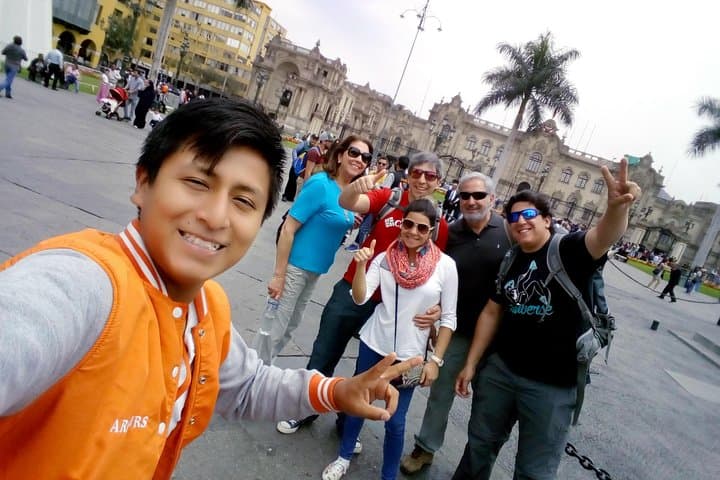
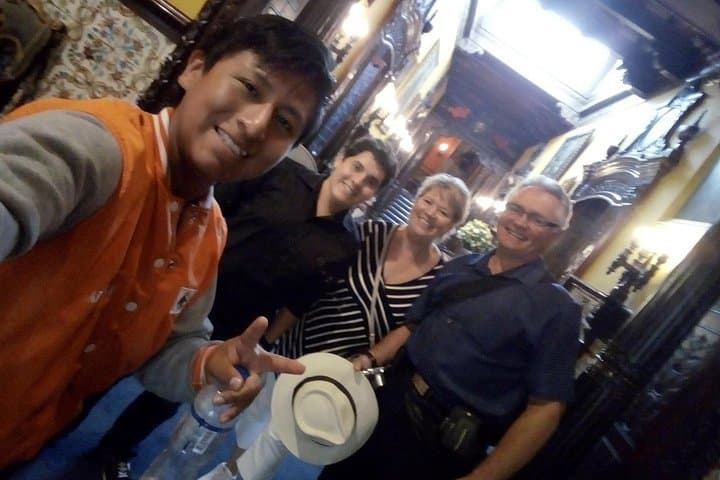
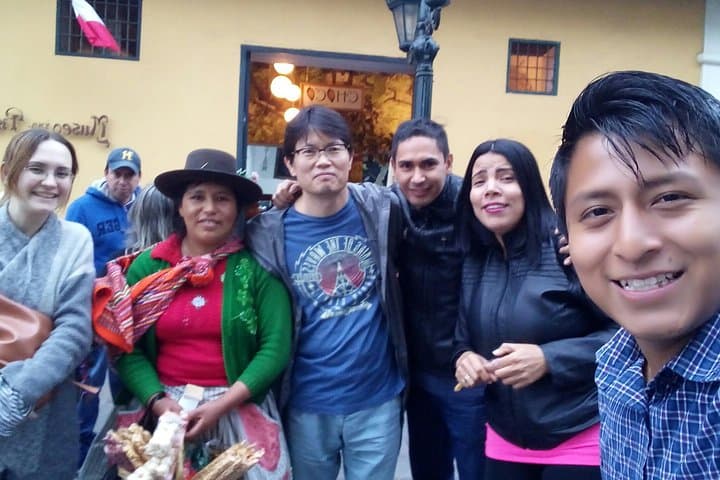
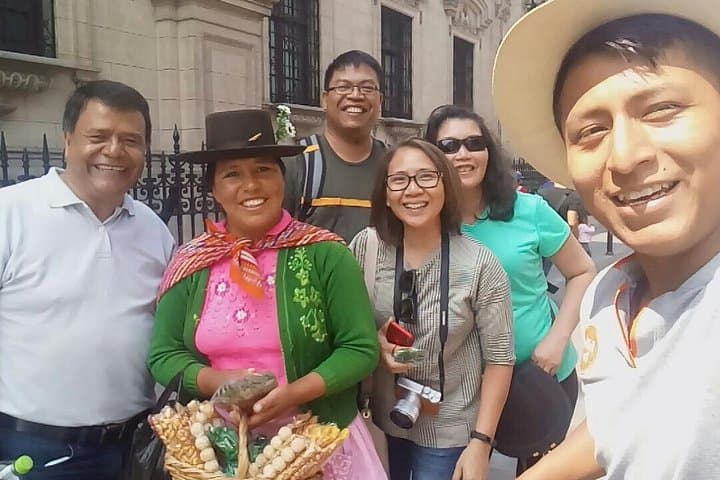
A wet morning clears above Lima’s Plaza Mayor and the colonial facades breathe out cool, salt-tinged air. You step from an air-conditioned minivan into a grid of stone streets where carved wooden balconies lean like watchful neighbors. The Casa de Aliaga occupies a block-long presence: a 16th-century house that still serves as a home and museum, its rooms layered with colonial furniture, silverwork and objects that trace the city’s transition from conquest to republic.
A wet morning clears above Lima’s Plaza Mayor and the colonial facades breathe out cool, salt-tinged air. You step from an air-conditioned minivan into a grid of stone streets where carved wooden balconies lean like watchful neighbors. The Casa de Aliaga occupies a block-long presence: a 16th-century house that still serves as a home and museum, its rooms layered with colonial furniture, silverwork and objects that trace the city’s transition from conquest to republic.
The house was built shortly after the Spanish founded Lima and belonged to Jerónimo de Aliaga, a conquistador closely tied to Francisco Pizarro. The downtown’s geology—flat coastal terraces underlain by alluvial soils—made large stately houses possible here, while Spanish urban planning left a grid of plazas and arcades that shape how you move through the center today.
Cultural life concentrates around the cathedral and government palace; vendors sell anticuchos and coffee just off the square. Locals will point out balcony styles—Arabic, French, republican—that mark waves of influence and wealth. A practical visit spends time in the courtyard, the chapel and the period rooms, and lets you observe how a private residence can operate as living history.
Practical guidance: tours are four hours with hotel pickup, so wear comfortable walking shoes and bring a light layer—the city is often cool and overcast in mornings. Photography rules vary by room; follow the guide and carry small bills for tips. Aim for early departures to avoid afternoon traffic and take the time to wander a few blocks beyond the main square for quieter colonial streets and local cafés.