THE ADVENTURE COLLECTIVE® · Independent discovery and booking for outdoor travel

Spend a full day exploring Carthage's archaeological terraces, wandering Sidi Bou Saïd's blue-and-white lanes, and finishing with a short camel ride along Gammarth's coast. This guided tour blends clear historical context with coastal scenery and a memorable, low-impact camel experience.
Spend a full day exploring Carthage's archaeological terraces, wandering Sidi Bou Saïd's blue-and-white lanes, and finishing with a short camel ride along Gammarth's coast. This guided tour blends clear historical context with coastal scenery and a memorable, low-impact camel experience.
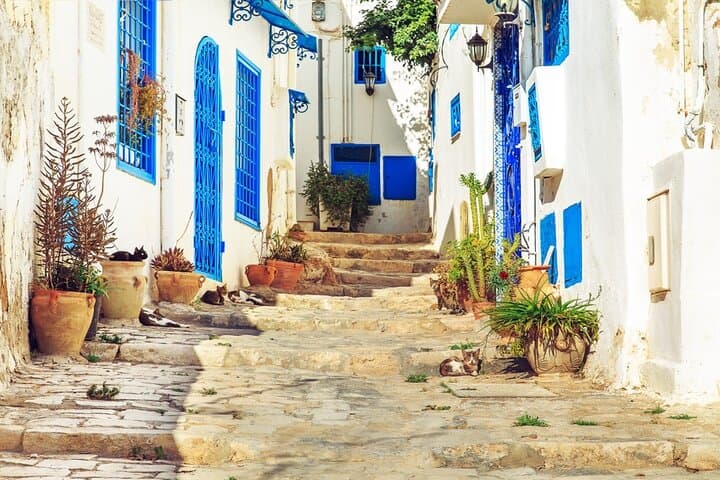
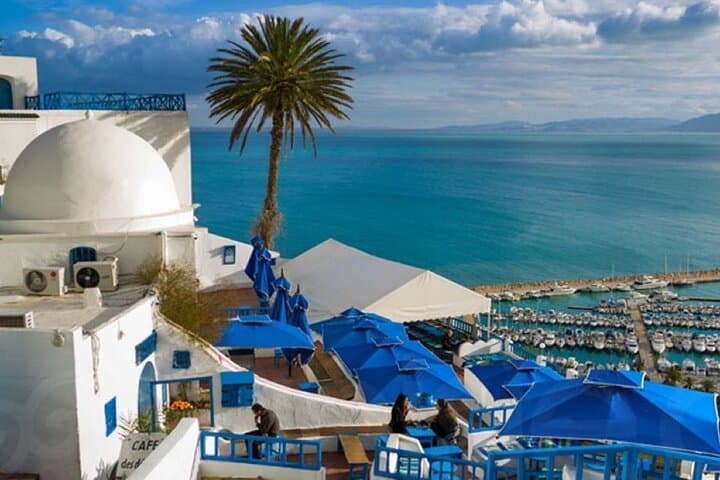
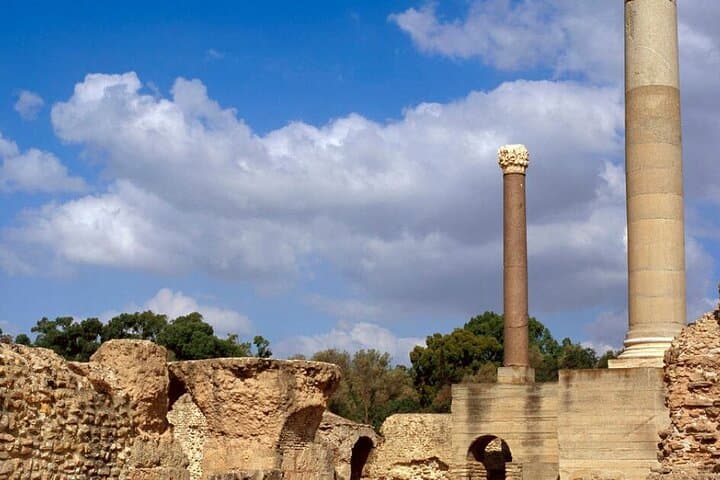
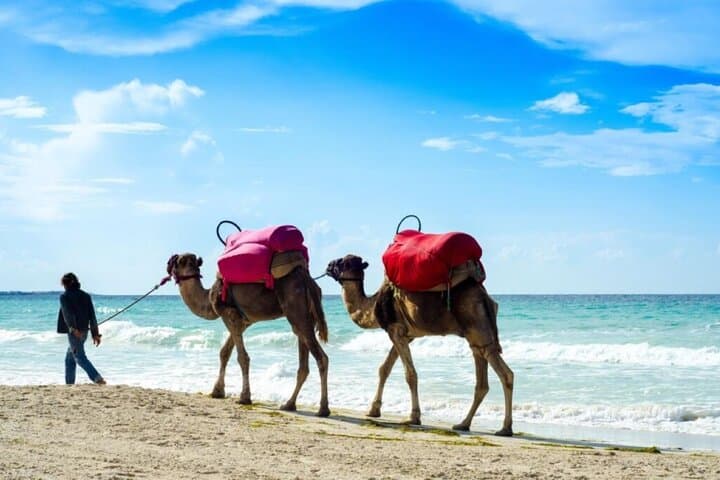
A salt breeze from the Gulf of Tunis cuts across terraced ruins as walkers step onto the sun-warmed stones of ancient Carthage. The day's rhythm moves from open archaeological plateaus — where broken columns lean into low wind — to the cobalt stairways and tiled courtyards of Sidi Bou Saïd, and finishes with the slow, swaying gait of a short camel ride along Gammarth's coastal edge.
Verified experiences and guided adventures in the surrounding area.
Operated by TUNISIVISION · Carthage, Tunis Governorate
A salt breeze from the Gulf of Tunis cuts across terraced ruins as walkers step onto the sun-warmed stones of ancient Carthage. The day's rhythm moves from open archaeological plateaus — where broken columns lean into low wind — to the cobalt stairways and tiled courtyards of Sidi Bou Saïd, and finishes with the slow, swaying gait of a short camel ride along Gammarth's coastal edge.
Carthage's hilltop remains recall a sequence of Punic, Roman and Byzantine occupations; Byrsa Hill still marks the city's strategic position over centuries of trade and conflict. Sidi Bou Saïd, redesigned in the early 20th century with Moorish and European influences, preserves narrow lanes and white houses with blue trim—an aesthetic tied to Mediterranean light and local salt air. Geologically the coast is a mix of limestone benches and sedimentary terraces that shape the archaeological platforms and small beaches below.
Travelers will encounter centuries-old pines and resilient coastal scrub that host migrant birds and small lizards, while local cafés offer mint tea and Tunisian pastries that feel like a small cultural primer between sites. Guides typically frame the ruins with clear historical markers and practical walking notes.
Practicalities: expect an 8-hour, guided day departing Tunis with air-conditioned transport, moderate walking on uneven surfaces, and a brief camel experience on relatively flat sand near Gammarth. Bring sun protection, a comfortable pair of closed-toe shoes, and plenty of water. Allow time for unhurried photos and a slow café stop in Sidi Bou Saïd—this is part history lesson, part coastal afternoon.
moderate.
8 hours.
Moderate — comfortable walking over uneven archaeological terrain and short camel seating; some stair-climbing.
The tour is approximately 8 hours and includes guided visits to Carthage and Sidi Bou Saïd, air-conditioned transport, bottled water, a professional guide, and a short camel ride near Gammarth; check your booking for exact inclusions.
Entrance fees vary by operator and season; many bookings exclude museum or site admissions—confirm at booking or bring cash to purchase tickets on-site if required.
The camel ride is short and on flat sand, but travelers with spinal issues are advised not to participate; infants can use strollers for other portions of the tour.
Guides commonly speak English and French; specific language requests should be confirmed at booking to ensure availability.
Carthage served as a major Phoenician-Punic city and later a Roman provincial center; its layers reflect centuries of Mediterranean commerce and conflict.
The archaeological zones are protected and experience erosion and visitor impact; stick to paths, avoid touching fragile remains, and support local conservation fees when charged.
TUNISIVISION operates guided outdoor trips and adventures with an emphasis on safety, stewardship, and memorable experiences.
A salt breeze from the Gulf of Tunis cuts across terraced ruins as walkers step onto the sun-warmed stones of ancient Carthage. The day's rhythm moves from open archaeological plateaus — where broken columns lean into low wind — to the cobalt stairways and tiled courtyards of Sidi Bou Saïd, and finishes with the slow, swaying gait of a short camel ride along Gammarth's coastal edge.
A salt breeze from the Gulf of Tunis cuts across terraced ruins as walkers step onto the sun-warmed stones of ancient Carthage. The day's rhythm moves from open archaeological plateaus — where broken columns lean into low wind — to the cobalt stairways and tiled courtyards of Sidi Bou Saïd, and finishes with the slow, swaying gait of a short camel ride along Gammarth's coastal edge.
Carthage's hilltop remains recall a sequence of Punic, Roman and Byzantine occupations; Byrsa Hill still marks the city's strategic position over centuries of trade and conflict. Sidi Bou Saïd, redesigned in the early 20th century with Moorish and European influences, preserves narrow lanes and white houses with blue trim—an aesthetic tied to Mediterranean light and local salt air. Geologically the coast is a mix of limestone benches and sedimentary terraces that shape the archaeological platforms and small beaches below.
Travelers will encounter centuries-old pines and resilient coastal scrub that host migrant birds and small lizards, while local cafés offer mint tea and Tunisian pastries that feel like a small cultural primer between sites. Guides typically frame the ruins with clear historical markers and practical walking notes.
Practicalities: expect an 8-hour, guided day departing Tunis with air-conditioned transport, moderate walking on uneven surfaces, and a brief camel experience on relatively flat sand near Gammarth. Bring sun protection, a comfortable pair of closed-toe shoes, and plenty of water. Allow time for unhurried photos and a slow café stop in Sidi Bou Saïd—this is part history lesson, part coastal afternoon.