THE ADVENTURE COLLECTIVE® · Independent discovery and booking for outdoor travel

Ride between sea and ruins on a three-hour guided cycling tour of Carthage. Explore Punic sanctuaries, Roman baths and an ancient port with an informed local guide and optional e-bike support.
Ride between sea and ruins on a three-hour guided cycling tour of Carthage. Explore Punic sanctuaries, Roman baths and an ancient port with an informed local guide and optional e-bike support.
You shoulder a lightweight helmet and push off along a coastal road where the Mediterranean glints like an open invitation. The sea breeze tugs at your jacket as the guide sets the rhythm—steady, conversational—leading a small group through low cliffs and scrub that frame layers of human history.
Verified experiences and guided adventures in the surrounding area.
Operated by Le Lemon Tour · Carthage, Tunis Governorate
You shoulder a lightweight helmet and push off along a coastal road where the Mediterranean glints like an open invitation. The sea breeze tugs at your jacket as the guide sets the rhythm—steady, conversational—leading a small group through low cliffs and scrub that frame layers of human history.
Carthage was first a Punic maritime power and later a Roman provincial capital; its ruins are pages of empire: harbors that once received grain fleets, sanctuaries with carved stelae, and the remains of baths that faced the water. Geology here is simple—limestone bedrock eroded into low terraces—but it creates clear sightlines where ruins meet sea. Local culture remains coastal and convivial; guides often point out how centuries of trade shaped food, language, and the granite used in the bigger Roman constructions.
The route favors quieter streets and dedicated paths to avoid traffic, stopping at a Punic sanctuary, a major ancient port, the vast Roman baths and a compact theater. If time and weather allow, Byrsa Hill offers a quick climb and broad views without a lengthy detour.
Practical guidance: expect three hours of casual cycling with short walking sections around ruins. Helmets are provided; e-bikes are available for riders who prefer less exertion. Carry water, sun protection, and comfortable shoes for cobbled sections. Morning departures avoid the height of coastal sun and make for better photos. This tour pairs historical context with coastal riding—efficient, informative, and pleasantly paced for riders with a steady basic fitness level.
moderate.
3 hours.
Moderate—able to ride continuously for short stretches and dismount for short walks; basic cycling experience required.
Yes—organizers offer e-bikes for riders who prefer assisted pedaling; request one when booking if needed.
A moderate level of fitness is recommended: you should be comfortable riding intermittently for about three hours with occasional short walks.
Guides commonly speak French and English; check availability of other languages when booking.
The tour can be canceled for very high temperatures or bad weather; refunds follow the operator’s 24-hour cancellation policy.
Carthage evolved from a Phoenician trading post into a Punic maritime power and was later reshaped by Roman rebuilding after the Punic Wars; ruins reflect those successive layers.
Visitors are asked to stay on marked paths to protect fragile ruins and to avoid touching carved stone; local operators emphasize minimal-impact visits and waste carry-out.
Le Lemon Tour operates guided outdoor trips and adventures with an emphasis on safety, stewardship, and memorable experiences.
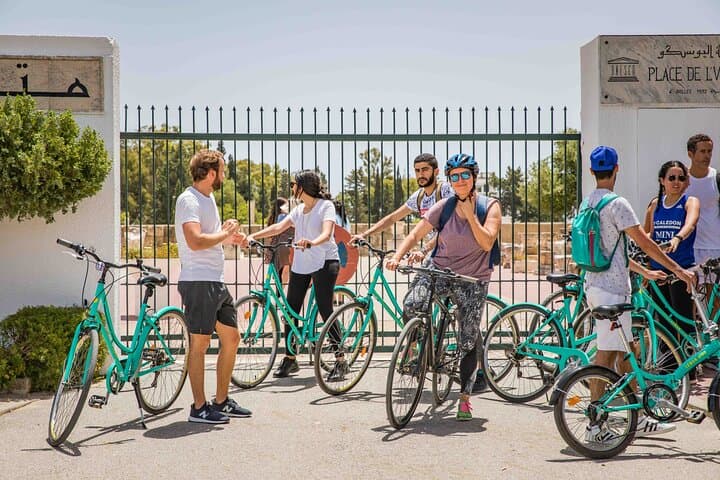
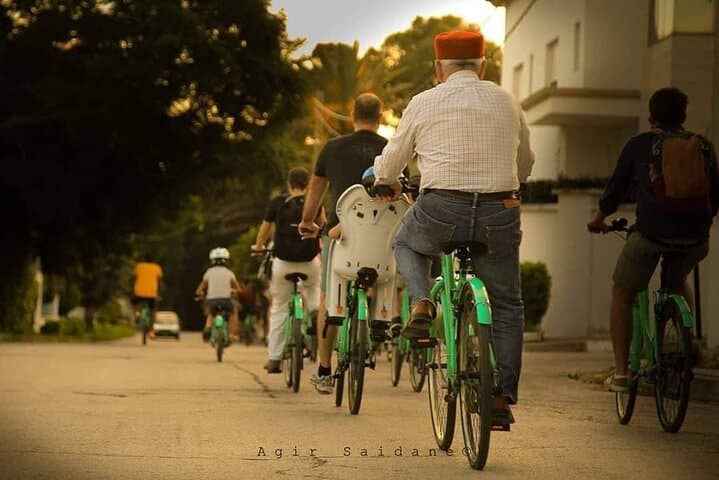
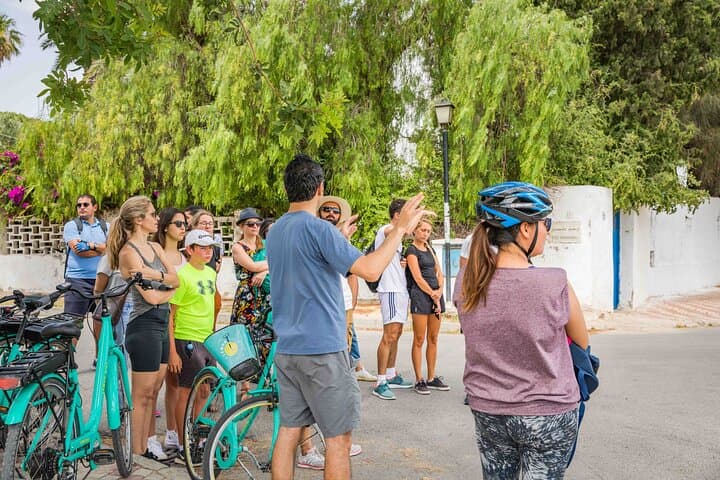
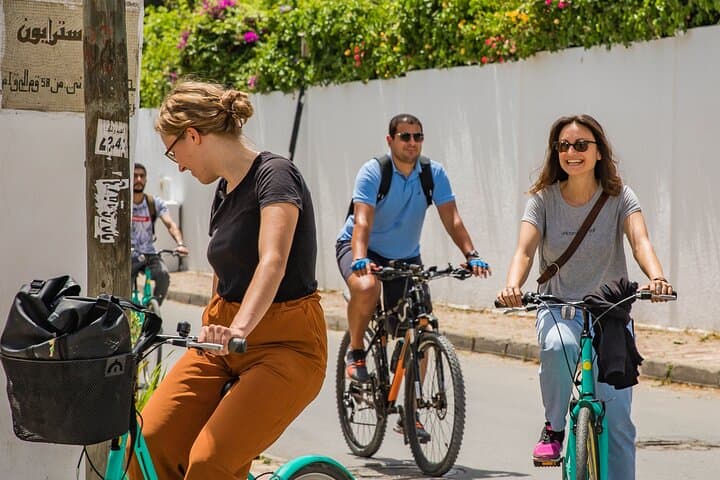
You shoulder a lightweight helmet and push off along a coastal road where the Mediterranean glints like an open invitation. The sea breeze tugs at your jacket as the guide sets the rhythm—steady, conversational—leading a small group through low cliffs and scrub that frame layers of human history.
You shoulder a lightweight helmet and push off along a coastal road where the Mediterranean glints like an open invitation. The sea breeze tugs at your jacket as the guide sets the rhythm—steady, conversational—leading a small group through low cliffs and scrub that frame layers of human history.
Carthage was first a Punic maritime power and later a Roman provincial capital; its ruins are pages of empire: harbors that once received grain fleets, sanctuaries with carved stelae, and the remains of baths that faced the water. Geology here is simple—limestone bedrock eroded into low terraces—but it creates clear sightlines where ruins meet sea. Local culture remains coastal and convivial; guides often point out how centuries of trade shaped food, language, and the granite used in the bigger Roman constructions.
The route favors quieter streets and dedicated paths to avoid traffic, stopping at a Punic sanctuary, a major ancient port, the vast Roman baths and a compact theater. If time and weather allow, Byrsa Hill offers a quick climb and broad views without a lengthy detour.
Practical guidance: expect three hours of casual cycling with short walking sections around ruins. Helmets are provided; e-bikes are available for riders who prefer less exertion. Carry water, sun protection, and comfortable shoes for cobbled sections. Morning departures avoid the height of coastal sun and make for better photos. This tour pairs historical context with coastal riding—efficient, informative, and pleasantly paced for riders with a steady basic fitness level.