THE ADVENTURE COLLECTIVE® · Independent discovery and booking for outdoor travel

Taste Cartagena one block at a time: a guided 2.5-hour walk through the Walled City and colorful Getsemaní that pairs street food with local history. Perfect for food lovers who want context with their arepas.
Taste Cartagena one block at a time: a guided 2.5-hour walk through the Walled City and colorful Getsemaní that pairs street food with local history. Perfect for food lovers who want context with their arepas.
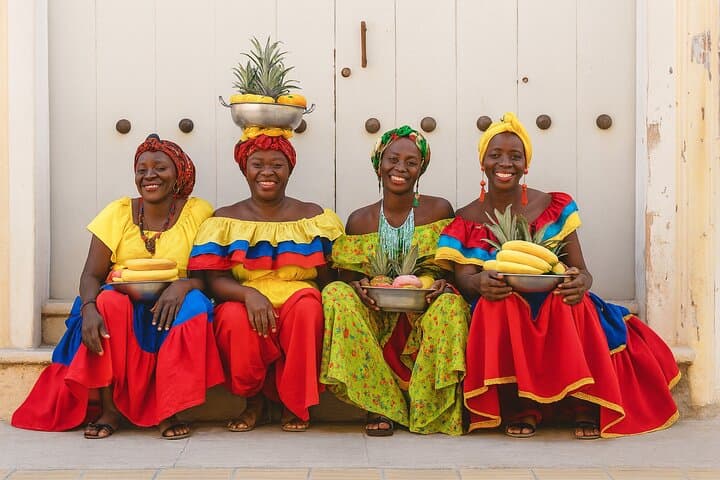
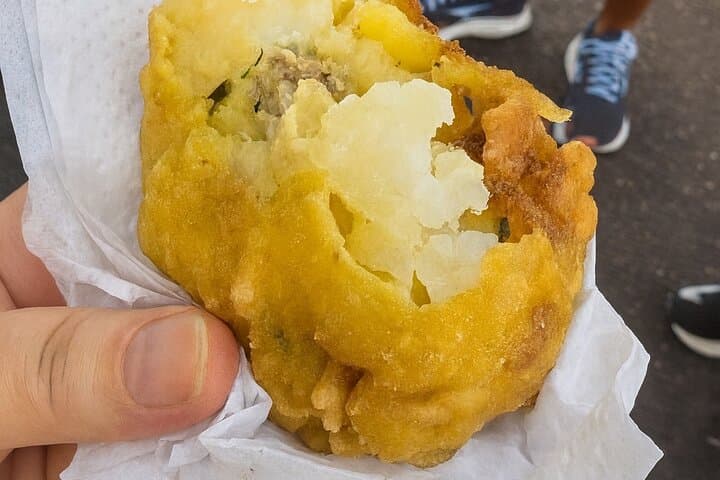
Morning light slides over the Caribbean and bounces off centuries-old stone as the Walled City wakes. Vendors arrange arepas and empanadas; the guide gestures to a bastion and the air fills with citrus, frying dough and sea breeze that seems to urge the group forward.
Verified experiences and guided adventures in the surrounding area.
Operated by Luz Angelica Gomez · Cartagena, Bolívar
Morning light slides over the Caribbean and bounces off centuries-old stone as the Walled City wakes. Vendors arrange arepas and empanadas; the guide gestures to a bastion and the air fills with citrus, frying dough and sea breeze that seems to urge the group forward.
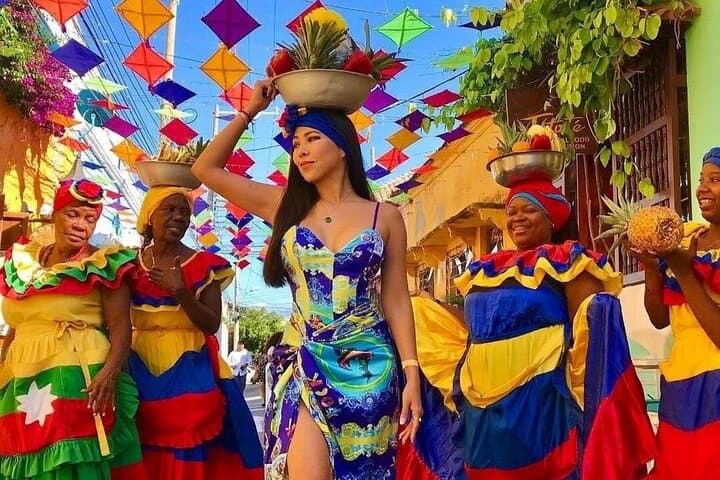
Cartagena’s walls were carved from coastal limestone and raised during the Spanish colonial era to protect a major port—their scars and cannon embrasures narrate trade, conquest and the African and Indigenous peoples whose foodways shape the city today. Geology matters here: reef, mangrove and sand have directed settlement and salted the local palate with seafood traditions. Getsemaní, a short walk from the plazas, answers with murals and music—street art that speaks as plainly as the old churches.
On this 2.5-hour private walking tour, a pro guide stitches flavors to stories: why coconut rice pairs with fried fish, where street sweets come from, and which neighborhoods held clandestine markets. Expect cobbled streets, short stair sections and stops at small stalls and family-run kitchens—the pace is gentle but sensory-rich.
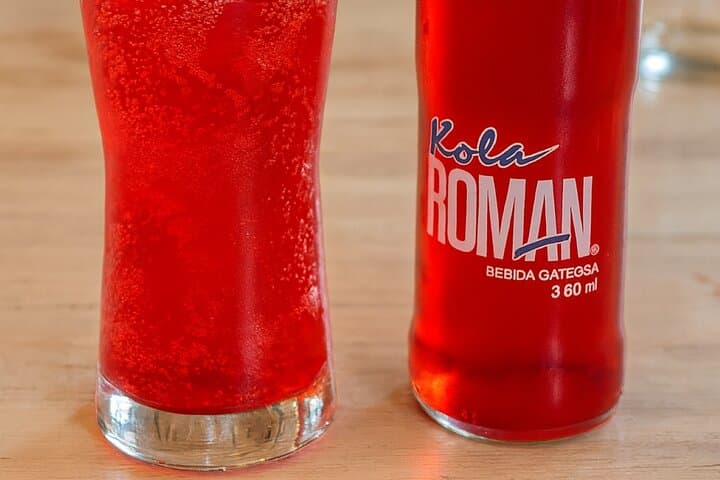
Practical notes: go mid-morning or late afternoon to avoid peak sun, carry small bills for purchases, and flag dietary restrictions before departure. Wear grippy shoes for uneven stones, bring sunscreen and a refillable bottle, and be ready to taste boldly: snacks, soda and bottled water are typically included. The tour is an efficient primer on Cartagena’s culture—one that feeds curiosity as much as appetite.
easy.
2–3 hours.
Suitable for most fitness levels; involves walking on cobbles and short standing food stops
Yes—this tour typically includes a selection of snacks, soft drinks and bottled water as stated in the inclusions.
Vegetarian and allergy-friendly options are often available, but you should inform the operator at booking so the guide can plan alternatives.
Expect light to moderate walking over 2.5 hours, mostly on flat but uneven cobbles and short stair sections in some neighborhoods.
Yes—this private tour is suitable for families and travelers of varied ages, though watch young children on cobbles and near busy food stalls.
Cartagena’s Walled City grew in the 16th–18th centuries as a fortified Spanish port and was a major hub in transatlantic trade; traces of colonial, African and Indigenous cultures survive in its food and neighborhoods.
Support small vendors, avoid single-use plastics, and stick to marked paths to help protect fragile historic fabric and coastal ecosystems.
Luz Angelica Gomez operates guided outdoor trips and adventures with an emphasis on safety, stewardship, and memorable experiences.
Morning light slides over the Caribbean and bounces off centuries-old stone as the Walled City wakes. Vendors arrange arepas and empanadas; the guide gestures to a bastion and the air fills with citrus, frying dough and sea breeze that seems to urge the group forward.
Morning light slides over the Caribbean and bounces off centuries-old stone as the Walled City wakes. Vendors arrange arepas and empanadas; the guide gestures to a bastion and the air fills with citrus, frying dough and sea breeze that seems to urge the group forward.
Cartagena’s walls were carved from coastal limestone and raised during the Spanish colonial era to protect a major port—their scars and cannon embrasures narrate trade, conquest and the African and Indigenous peoples whose foodways shape the city today. Geology matters here: reef, mangrove and sand have directed settlement and salted the local palate with seafood traditions. Getsemaní, a short walk from the plazas, answers with murals and music—street art that speaks as plainly as the old churches.
On this 2.5-hour private walking tour, a pro guide stitches flavors to stories: why coconut rice pairs with fried fish, where street sweets come from, and which neighborhoods held clandestine markets. Expect cobbled streets, short stair sections and stops at small stalls and family-run kitchens—the pace is gentle but sensory-rich.
Practical notes: go mid-morning or late afternoon to avoid peak sun, carry small bills for purchases, and flag dietary restrictions before departure. Wear grippy shoes for uneven stones, bring sunscreen and a refillable bottle, and be ready to taste boldly: snacks, soda and bottled water are typically included. The tour is an efficient primer on Cartagena’s culture—one that feeds curiosity as much as appetite.