THE ADVENTURE COLLECTIVE® · Independent discovery and booking for outdoor travel

Leave Cartagena’s walls behind for a full‑day dive trip to Playa Blanca and Barú—two guided dives among vibrant coral gardens and coral‑covered shipwrecks, with boat transfers, equipment and lunch included. Perfect for certified divers and adventurous beginners under instructor supervision.
Leave Cartagena’s walls behind for a full‑day dive trip to Playa Blanca and Barú—two guided dives among vibrant coral gardens and coral‑covered shipwrecks, with boat transfers, equipment and lunch included. Perfect for certified divers and adventurous beginners under instructor supervision.
A warm wind strips salt from your skin as the speedboat cuts away from Cartagena’s tourist dock, the city’s colonial walls shrinking behind you. Within an hour the skyline gives way to open Caribbean blue and the reef edges appear like a living map beneath the surface—mottled greens and electric corals that dare you to dive.
Verified experiences and guided adventures in the surrounding area.
Operated by RUTAGENA · Cartagena, Bolívar
A warm wind strips salt from your skin as the speedboat cuts away from Cartagena’s tourist dock, the city’s colonial walls shrinking behind you. Within an hour the skyline gives way to open Caribbean blue and the reef edges appear like a living map beneath the surface—mottled greens and electric corals that dare you to dive.
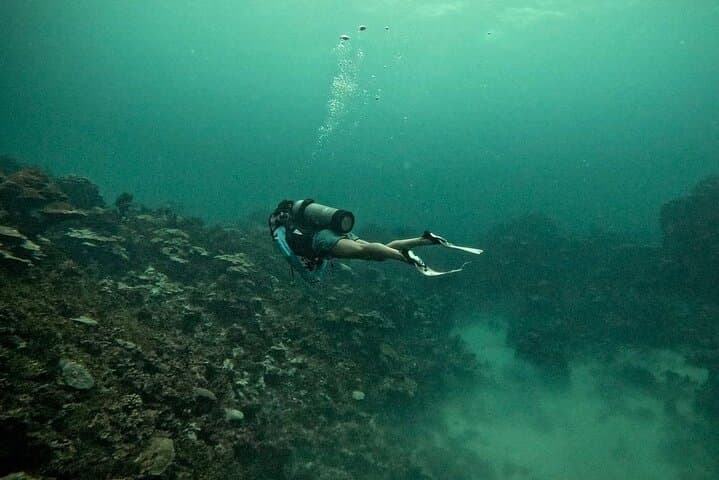
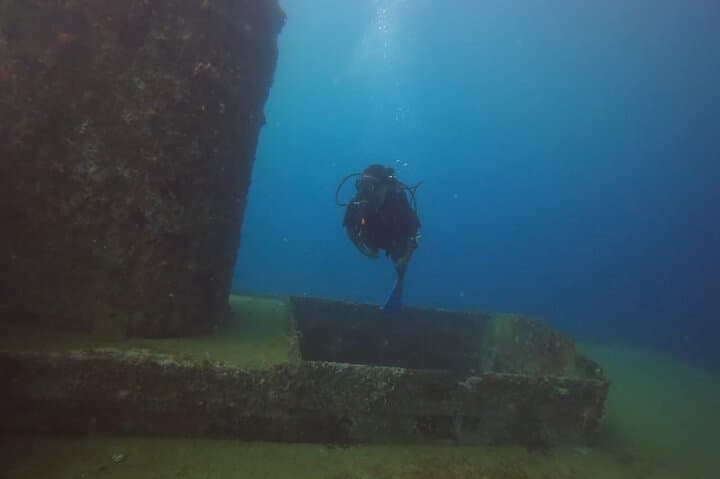
These shores carry a layered history: Spanish galleons, privateers, and modern fishing craft have all threaded these waters, and the shipwrecks off Barú now serve as artificial reefs—iron bones colonized by coral and schooling fish. Geologically, the area sits on a shallow carbonate shelf; reefs grow on its rim where currents bring nutrients and visibility often tops 15–30 meters.
Culturally, lunch at a Playa Blanca beach club introduces coastal flavors—coconut rice, fresh fish, and patacones—while local guides share stories of the Navy’s underwater memorials and conservation efforts.
Practical guidance: expect a 7‑hour outing with two guided dives (plus surface time), boat transfers, gear and lunch included. Water temperatures range from about 27–29°C (80–84°F); a 3mm suit is common. Beginners can often join guided shallow dives but bring certification if you want deeper wreck penetration. Watch currents on entry/exit, equalize early, and never touch coral—buoyancy control protects both you and the reef.
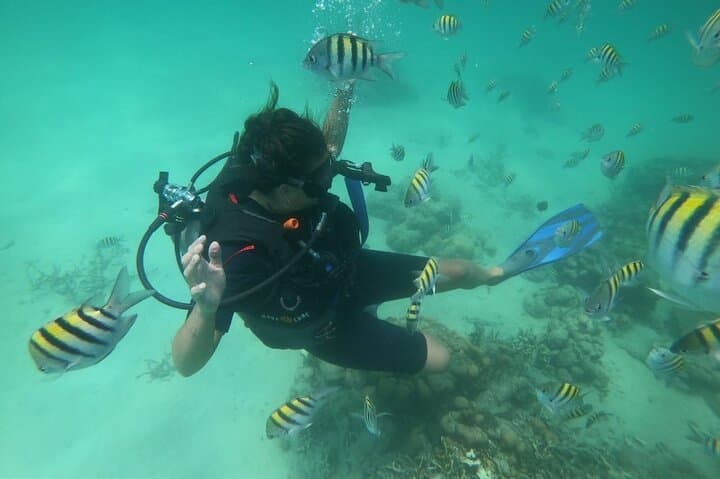
Timing: morning departures avoid afternoon chop. Pack reef‑safe sunscreen, a light towel, motion‑sickness remedies if prone, and your certification card if you have one. Underwater, expect parrotfish, angelfish, and the occasional turtle slipping through coral corridors—this is diving that’s equal parts archaeology and marine biology.
moderate.
7 hours.
Moderate fitness required: comfortable swimming ability, able to climb boat ladders and handle entry/exit in small surf.
Certification is recommended for full wreck exploration; many operators offer guided options for discover‑scuba beginners limited to shallow dives under instructor supervision.
Boat transfer to Playa Blanca/Barú typically takes 30–60 minutes each way depending on sea conditions and the exact landing site.
Visibility is often 15–30 meters on good days; water temps hover 27–29°C. Currents can be present—guides plan sites accordingly.
Most operators require participants to be in moderate health; not recommended for pregnant travelers or those with serious cardiovascular or spinal conditions—bring required medical info.
Shipwrecks around Barú reflect Cartagena’s colonial maritime history; many wrecks now act as artificial reefs attracting diverse marine life.
Operators often follow reef‑friendly practices—avoid touching coral, use reef‑safe sun products, and limit anchor damage by using moorings where available.
RUTAGENA operates guided outdoor trips and adventures with an emphasis on safety, stewardship, and memorable experiences.
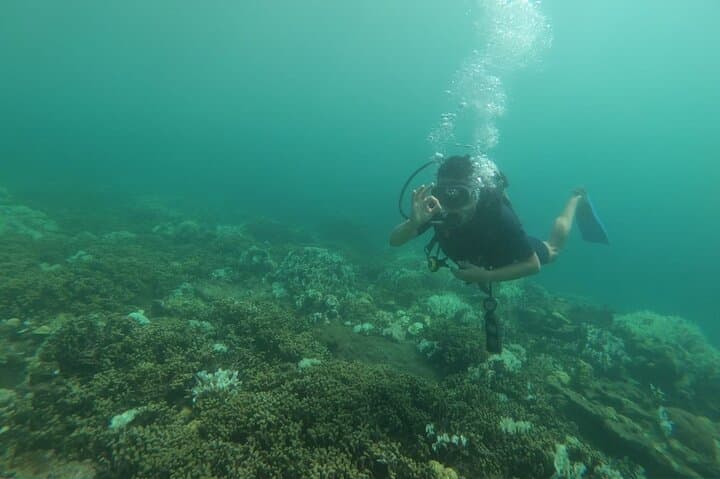
A warm wind strips salt from your skin as the speedboat cuts away from Cartagena’s tourist dock, the city’s colonial walls shrinking behind you. Within an hour the skyline gives way to open Caribbean blue and the reef edges appear like a living map beneath the surface—mottled greens and electric corals that dare you to dive.
A warm wind strips salt from your skin as the speedboat cuts away from Cartagena’s tourist dock, the city’s colonial walls shrinking behind you. Within an hour the skyline gives way to open Caribbean blue and the reef edges appear like a living map beneath the surface—mottled greens and electric corals that dare you to dive.
These shores carry a layered history: Spanish galleons, privateers, and modern fishing craft have all threaded these waters, and the shipwrecks off Barú now serve as artificial reefs—iron bones colonized by coral and schooling fish. Geologically, the area sits on a shallow carbonate shelf; reefs grow on its rim where currents bring nutrients and visibility often tops 15–30 meters.
Culturally, lunch at a Playa Blanca beach club introduces coastal flavors—coconut rice, fresh fish, and patacones—while local guides share stories of the Navy’s underwater memorials and conservation efforts.
Practical guidance: expect a 7‑hour outing with two guided dives (plus surface time), boat transfers, gear and lunch included. Water temperatures range from about 27–29°C (80–84°F); a 3mm suit is common. Beginners can often join guided shallow dives but bring certification if you want deeper wreck penetration. Watch currents on entry/exit, equalize early, and never touch coral—buoyancy control protects both you and the reef.
Timing: morning departures avoid afternoon chop. Pack reef‑safe sunscreen, a light towel, motion‑sickness remedies if prone, and your certification card if you have one. Underwater, expect parrotfish, angelfish, and the occasional turtle slipping through coral corridors—this is diving that’s equal parts archaeology and marine biology.