THE ADVENTURE COLLECTIVE® · Independent discovery and booking for outdoor travel

Paddle through Cartagena’s mangroves at sunrise or sunset on a guided photography workshop that mixes bird encounters, coastal ecology, and camera technique. Ideal for photo-lovers seeking low light practice and cultural insight.
Paddle through Cartagena’s mangroves at sunrise or sunset on a guided photography workshop that mixes bird encounters, coastal ecology, and camera technique. Ideal for photo-lovers seeking low light practice and cultural insight.
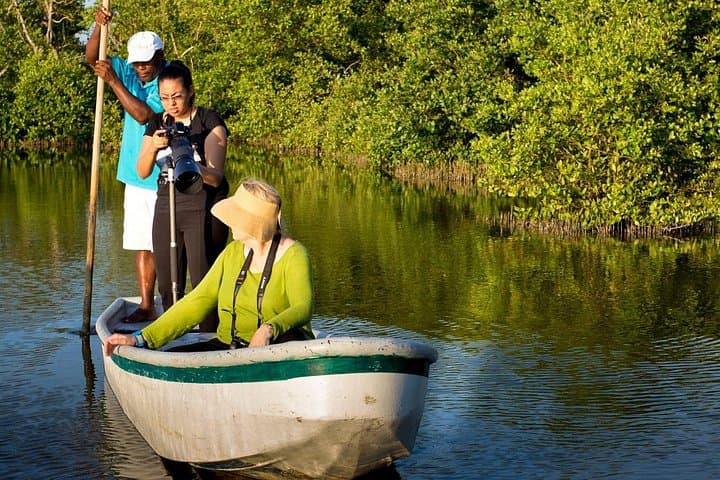
A low, gold light slides across the water as your canoe parts the mangrove roots — the trees seem to lean in, daring you to find the frame that makes this place sing. On a three-hour sunrise or sunset outing from Cartagena, photographers trade city noise for the hush and urgent movement of birds, reflections, and tide.
Verified experiences and guided adventures in the surrounding area.
Operated by Paola H Sanchez Produccion Audiovisual · Cartagena, Bolívar
A low, gold light slides across the water as your canoe parts the mangrove roots — the trees seem to lean in, daring you to find the frame that makes this place sing. On a three-hour sunrise or sunset outing from Cartagena, photographers trade city noise for the hush and urgent movement of birds, reflections, and tide.
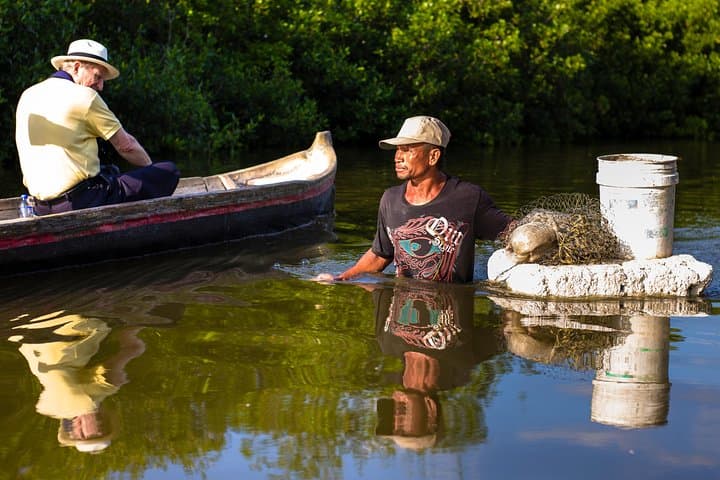
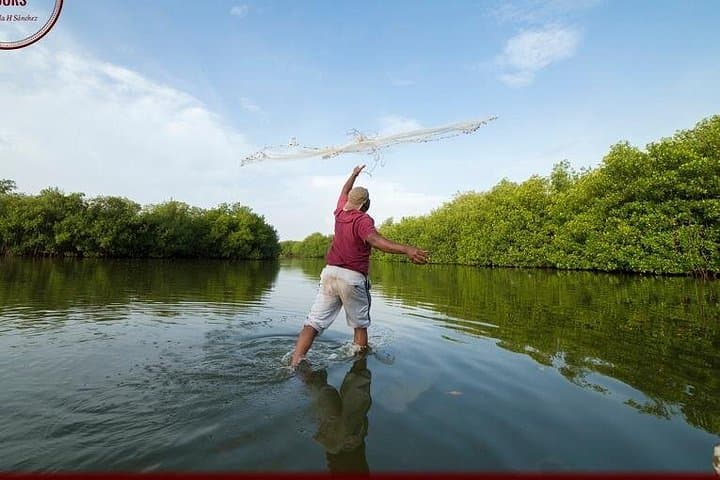
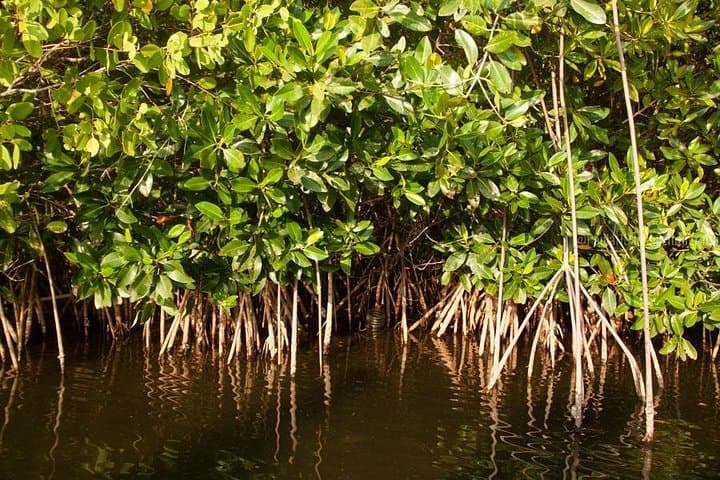
The mangroves around Cartagena grow on recent coastal sediments where the Caribbean and Magdalena River influence meet; their tangled roots trap silt and build shoreline. This coastline has long supported Afro-Caribbean and Indigenous fishing communities whose boats and stories shape local culture. A local guide will point to bird roosts, explain how mangroves protect the city from storm surge, and outline photographic approaches for tight bird portraits or wide mangrove panoramas.
Expect slow paddling through narrow channels, stops at bird settlements, and plenty of low-angle light that rewards a telephoto or a wide lens. Terrain is water-level — no elevation gain — but the work is technical: steady your pulse for long sets and be ready for reflected light and sudden gusts.
Practical notes: tours include private transport and bottled coconut water; boats are wheelchair-accessible with prior arrangement. Bring a telephoto lens and a monopod for bird shots, a wide-angle for landscapes, a waterproof bag for gear, sun protection, and insect repellent. Plan for early starts or late finishes to catch soft light; carry extra batteries and memory cards. With a little preparation you’ll come away with stronger visual narratives and a clearer sense of Cartagena’s living coastline.
easy.
2–3 hours.
Suitable for most fitness levels; you should be comfortable sitting in a canoe and climbing in/out of a small boat.
Yes — guides cover composition and camera settings; the pace is relaxed and suitable for all skill levels.
Common sightings include herons, egrets, ibis, kingfishers and other mangrove-associated birds; species vary by season.
Yes — transportation and boats can be arranged to be wheelchair-accessible with advance notice; contact the operator when booking.
Trips can be canceled for bad weather for a full refund if you cancel 24 hours prior; bring quick-dry clothing and waterproof protection for light rain.
Cartagena’s coast has been a strategic maritime hub since colonial times; mangroves historically supported local fisheries and protected the city from coastal storms.
Mangrove habitats are protected for shoreline stabilization and biodiversity; stay in designated boats and avoid trampling roots to minimize impact.
Paola H Sanchez Produccion Audiovisual operates guided outdoor trips and adventures with an emphasis on safety, stewardship, and memorable experiences.
A low, gold light slides across the water as your canoe parts the mangrove roots — the trees seem to lean in, daring you to find the frame that makes this place sing. On a three-hour sunrise or sunset outing from Cartagena, photographers trade city noise for the hush and urgent movement of birds, reflections, and tide.
A low, gold light slides across the water as your canoe parts the mangrove roots — the trees seem to lean in, daring you to find the frame that makes this place sing. On a three-hour sunrise or sunset outing from Cartagena, photographers trade city noise for the hush and urgent movement of birds, reflections, and tide.
The mangroves around Cartagena grow on recent coastal sediments where the Caribbean and Magdalena River influence meet; their tangled roots trap silt and build shoreline. This coastline has long supported Afro-Caribbean and Indigenous fishing communities whose boats and stories shape local culture. A local guide will point to bird roosts, explain how mangroves protect the city from storm surge, and outline photographic approaches for tight bird portraits or wide mangrove panoramas.
Expect slow paddling through narrow channels, stops at bird settlements, and plenty of low-angle light that rewards a telephoto or a wide lens. Terrain is water-level — no elevation gain — but the work is technical: steady your pulse for long sets and be ready for reflected light and sudden gusts.
Practical notes: tours include private transport and bottled coconut water; boats are wheelchair-accessible with prior arrangement. Bring a telephoto lens and a monopod for bird shots, a wide-angle for landscapes, a waterproof bag for gear, sun protection, and insect repellent. Plan for early starts or late finishes to catch soft light; carry extra batteries and memory cards. With a little preparation you’ll come away with stronger visual narratives and a clearer sense of Cartagena’s living coastline.