THE ADVENTURE COLLECTIVE® · Independent discovery and booking for outdoor travel

Explore Cartagena’s emerald story with a guided walk from San Felipe fortress to the Emerald Museum and certified boutiques. This 4‑hour urban tour mixes history, geology and practical buying tips for authentic Colombian emeralds.
Explore Cartagena’s emerald story with a guided walk from San Felipe fortress to the Emerald Museum and certified boutiques. This 4‑hour urban tour mixes history, geology and practical buying tips for authentic Colombian emeralds.
The morning sun lifts off the Caribbean, laying a warm, salt-sweet light across Cartagena's stone ramparts as a small group moves through the city toward San Felipe. The fortress rises like an old guard, its tunnels and bastions holding the echoes of colonial sieges; nearby, the narrow streets begin to hum with market vendors and boutique windows glittering with green stones.
Verified experiences and guided adventures in the surrounding area.
Operated by Peace Travel Colombia SAS · Cartagena, Bolívar
The morning sun lifts off the Caribbean, laying a warm, salt-sweet light across Cartagena's stone ramparts as a small group moves through the city toward San Felipe. The fortress rises like an old guard, its tunnels and bastions holding the echoes of colonial sieges; nearby, the narrow streets begin to hum with market vendors and boutique windows glittering with green stones.
Cartagena's role in the emerald trade is both economic and cultural: Spanish-era ports sent gems to Europe, and modern Colombian mines supply much of the world's emerald market. Geologically, Colombian emeralds form in hydrothermal veins within black shales—intense pressure and time giving rise to the trademark deep green. The tour pairs this background with hands-on visits to a museum replica of a mine and vetted jewelry shops where certificates and grading practices are explained.
Beyond gems, the route threads through Republican-era architecture, lively plazas, and the vaults along the old walls that face the sea. Guides point out iconography carved into stone and explain how Cartagena's seafaring past shaped its trade networks.
Practical note: expect 3–4 hours of mixed walking on cobbles and steps. Bring sun protection and comfortable shoes; shops will often provide gem certificates but inspect them and ask for lab verification if you plan to buy. For cruisers, timing is tight—factor in transit and a buffer for customs. The experience blends geology, local commerce, and history into a compact, urban walking adventure.
moderate.
3–4 hours.
Participants should be comfortable walking on uneven cobbles and climbing steps over several hours.
Guides direct you to certified shops; ask for gem certificates and, for major purchases, third‑party lab reports or export documentation.
Yes—items note it’s offered for cruisers, but plan transit time, customs and a buffer to return to your ship on schedule.
Parts of the route include uneven cobblestones and fortress steps; infants in strollers are possible but travelers with significant mobility issues may find sections difficult.
Local operators typically offer guides in Spanish and English; confirm language availability when booking.
Cartagena’s port was a key export point for colonial commodities and gems; its forts, like San Felipe, were built to ward off pirates and rival empires.
Buy certified emeralds to support legal supply chains and favor local ateliers that follow fair‑trade practices; stay on marked paths to protect fragile historic masonry.
Peace Travel Colombia SAS operates guided outdoor trips and adventures with an emphasis on safety, stewardship, and memorable experiences.
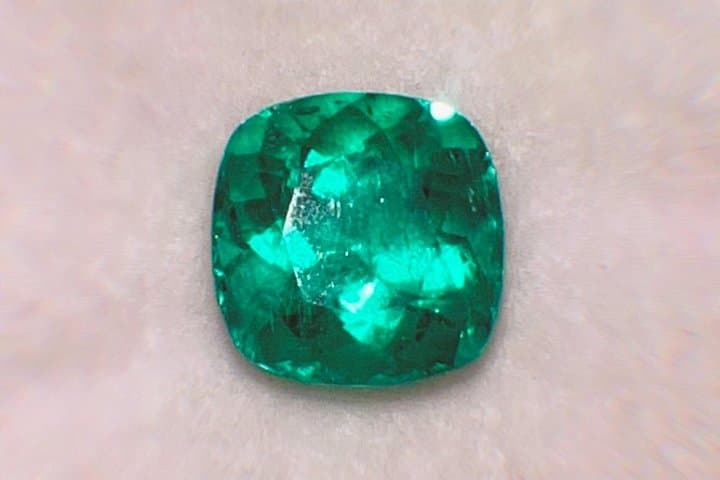



The morning sun lifts off the Caribbean, laying a warm, salt-sweet light across Cartagena's stone ramparts as a small group moves through the city toward San Felipe. The fortress rises like an old guard, its tunnels and bastions holding the echoes of colonial sieges; nearby, the narrow streets begin to hum with market vendors and boutique windows glittering with green stones.
The morning sun lifts off the Caribbean, laying a warm, salt-sweet light across Cartagena's stone ramparts as a small group moves through the city toward San Felipe. The fortress rises like an old guard, its tunnels and bastions holding the echoes of colonial sieges; nearby, the narrow streets begin to hum with market vendors and boutique windows glittering with green stones.
Cartagena's role in the emerald trade is both economic and cultural: Spanish-era ports sent gems to Europe, and modern Colombian mines supply much of the world's emerald market. Geologically, Colombian emeralds form in hydrothermal veins within black shales—intense pressure and time giving rise to the trademark deep green. The tour pairs this background with hands-on visits to a museum replica of a mine and vetted jewelry shops where certificates and grading practices are explained.
Beyond gems, the route threads through Republican-era architecture, lively plazas, and the vaults along the old walls that face the sea. Guides point out iconography carved into stone and explain how Cartagena's seafaring past shaped its trade networks.
Practical note: expect 3–4 hours of mixed walking on cobbles and steps. Bring sun protection and comfortable shoes; shops will often provide gem certificates but inspect them and ask for lab verification if you plan to buy. For cruisers, timing is tight—factor in transit and a buffer for customs. The experience blends geology, local commerce, and history into a compact, urban walking adventure.