THE ADVENTURE COLLECTIVE® · Independent discovery and booking for outdoor travel

Step into a courtyard in Cartagena's old city and learn Afro-Caribbean drumming from local experts. This one-hour, small-group class pairs hands-on rhythm practice with cultural context about Colombia's coastal musical roots.
Step into a courtyard in Cartagena's old city and learn Afro-Caribbean drumming from local experts. This one-hour, small-group class pairs hands-on rhythm practice with cultural context about Colombia's coastal musical roots.
You arrive into a shaded courtyard in Cartagena's old city, palms brushing the warm air, and a circle of drums waiting like old friends. The instructor counts out a steady pulse; the first beat lands in your chest and the street sounds — vendors, ocean wind, distant church bells — answer back. For sixty minutes you'll trade tentative strikes for confident rhythms and discover how these patterns moved across the Caribbean with enslaved Africans and took root in Colombia's coastal culture.
Verified experiences and guided adventures in the surrounding area.
Operated by DISCOVER CARTAGENA BY LOCALS · Cartagena, Bolívar
You arrive into a shaded courtyard in Cartagena's old city, palms brushing the warm air, and a circle of drums waiting like old friends. The instructor counts out a steady pulse; the first beat lands in your chest and the street sounds — vendors, ocean wind, distant church bells — answer back. For sixty minutes you'll trade tentative strikes for confident rhythms and discover how these patterns moved across the Caribbean with enslaved Africans and took root in Colombia's coastal culture.
Cartagena's rhythm is shaped by history and place: the walled city's stone and coral-built fortifications framed colonial trade routes, while mangrove-lined estuaries and nearby islands created the maritime stage for cultural exchange. The lesson focuses on Afro-Caribbean forms — including cumbia-derived patterns and other coastal grooves — and pairs hand drumming with short explanations of cultural context.
Classes are intimate (shared groups capped at six; minimum two participants) and designed for all abilities. Hosts supply instruments and simple outfits; expect a hands-on, energetic environment that encourages asking questions about technique and tradition. Practicalities: the session lasts one hour, is accessible on foot from central Cartagena, and is suitable for most fitness levels. Bring a refillable water bottle, wear breathable clothes and closed-toe shoes for stability, and confirm language accommodations in advance. Respectful participation — listening to local history, following the instructor's lead, and supporting small businesses afterward — keeps this living tradition vibrant for visitors and residents alike.
easy.
1 hour.
Basic mobility and ability to stand for short periods; suitable for most fitness levels.
The session is a fixed 60 minutes, typically run as a focused, hands-on group lesson.
Yes — the tour description indicates musical instruments and simple outfits are supplied by the host.
Shared classes are small, capped at six participants, with a minimum of two people required to run the session.
You can receive a full refund if you cancel at least 24 hours before the scheduled start time; cancellations within 24 hours are not refundable.
Drumming traditions on Colombia’s Caribbean coast derive from West and Central African rhythms brought by enslaved peoples and adapted over centuries into local forms like cumbia and other coastal genres.
Support local culture by tipping instructors and buying local music; avoid loud late-night amplification in residential areas and respect community spaces.
DISCOVER CARTAGENA BY LOCALS operates guided outdoor trips and adventures with an emphasis on safety, stewardship, and memorable experiences.
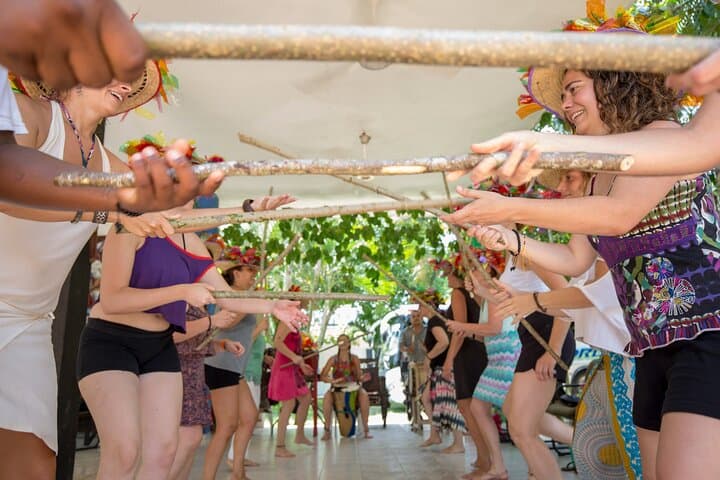
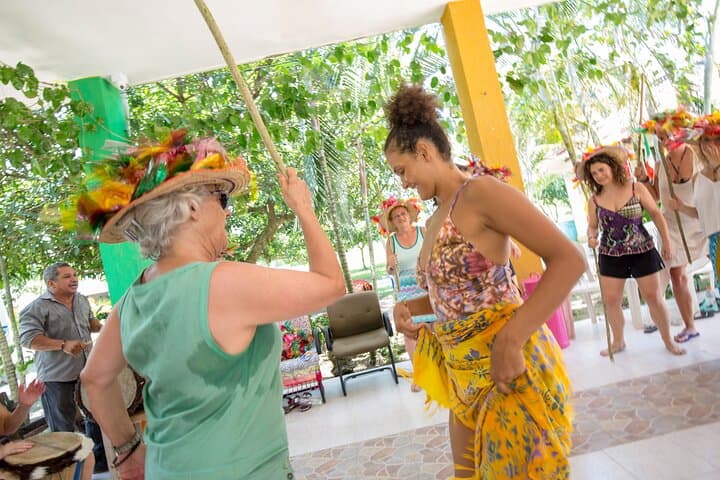
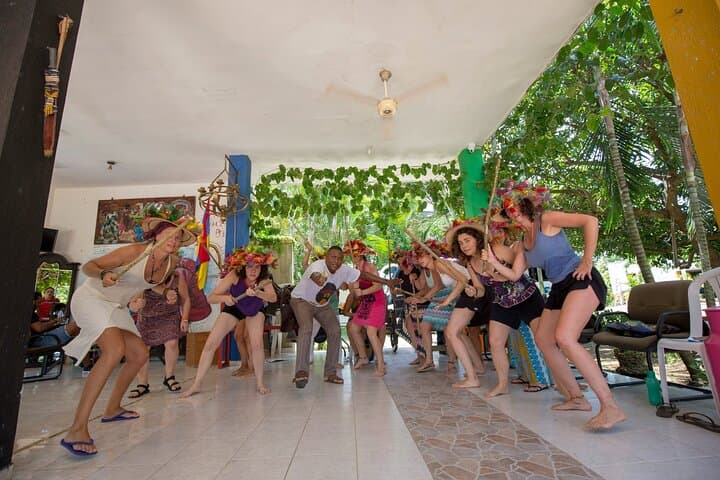
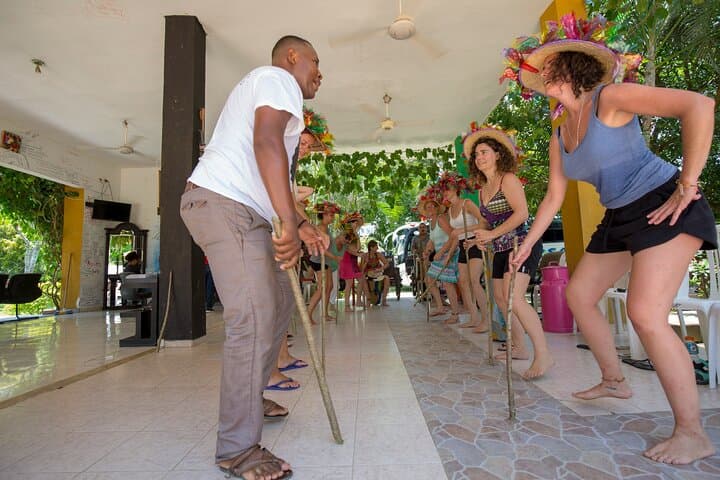
You arrive into a shaded courtyard in Cartagena's old city, palms brushing the warm air, and a circle of drums waiting like old friends. The instructor counts out a steady pulse; the first beat lands in your chest and the street sounds — vendors, ocean wind, distant church bells — answer back. For sixty minutes you'll trade tentative strikes for confident rhythms and discover how these patterns moved across the Caribbean with enslaved Africans and took root in Colombia's coastal culture.
You arrive into a shaded courtyard in Cartagena's old city, palms brushing the warm air, and a circle of drums waiting like old friends. The instructor counts out a steady pulse; the first beat lands in your chest and the street sounds — vendors, ocean wind, distant church bells — answer back. For sixty minutes you'll trade tentative strikes for confident rhythms and discover how these patterns moved across the Caribbean with enslaved Africans and took root in Colombia's coastal culture.
Cartagena's rhythm is shaped by history and place: the walled city's stone and coral-built fortifications framed colonial trade routes, while mangrove-lined estuaries and nearby islands created the maritime stage for cultural exchange. The lesson focuses on Afro-Caribbean forms — including cumbia-derived patterns and other coastal grooves — and pairs hand drumming with short explanations of cultural context.
Classes are intimate (shared groups capped at six; minimum two participants) and designed for all abilities. Hosts supply instruments and simple outfits; expect a hands-on, energetic environment that encourages asking questions about technique and tradition. Practicalities: the session lasts one hour, is accessible on foot from central Cartagena, and is suitable for most fitness levels. Bring a refillable water bottle, wear breathable clothes and closed-toe shoes for stability, and confirm language accommodations in advance. Respectful participation — listening to local history, following the instructor's lead, and supporting small businesses afterward — keeps this living tradition vibrant for visitors and residents alike.