THE ADVENTURE COLLECTIVE® · Independent discovery and booking for outdoor travel

Ride a Transcaribe bus from Cartagena’s clock tower into the heart of El Pozón for a community-led cultural exchange. Hear neighborhood histories, meet local leaders, and learn how Cartagena’s coastal geography and colonial past shaped everyday life.
Ride a Transcaribe bus from Cartagena’s clock tower into the heart of El Pozón for a community-led cultural exchange. Hear neighborhood histories, meet local leaders, and learn how Cartagena’s coastal geography and colonial past shaped everyday life.
You meet at the clock tower in Cartagena’s historic center as the Caribbean breeze nudges the plaza, the ocean scent threading between colonial facades. A Transcaribe bus rattles you away from the tourist lanes; through open windows you pass the bulk of San Felipe, the Popa hill’s white convent and the noisy arteries leading to Bazurto. The city unfolds like conversation—loud, layered and insistently alive.
Verified experiences and guided adventures in the surrounding area.
Operated by InCartagena · Cartagena, Bolívar
You meet at the clock tower in Cartagena’s historic center as the Caribbean breeze nudges the plaza, the ocean scent threading between colonial facades. A Transcaribe bus rattles you away from the tourist lanes; through open windows you pass the bulk of San Felipe, the Popa hill’s white convent and the noisy arteries leading to Bazurto. The city unfolds like conversation—loud, layered and insistently alive.
This is not a museum tour. Where I come from places you inside Cartagena’s popular neighbourhoods to hear the stories usually spoken at streetcorners: Afro-Caribbean rhythms, community leaders, and the historical forces—trade, slavery, urban policy—that shaped exclusion and belonging here. Geologically the city sits on a low coastal plain with limestone outcrops; the fortifications of San Felipe exploit those ridges, casting long shadows over neighborhoods that grew where the land and sea met commerce.
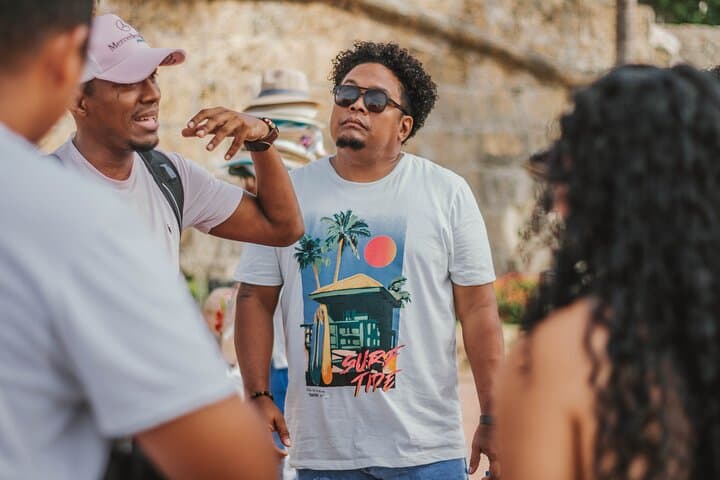
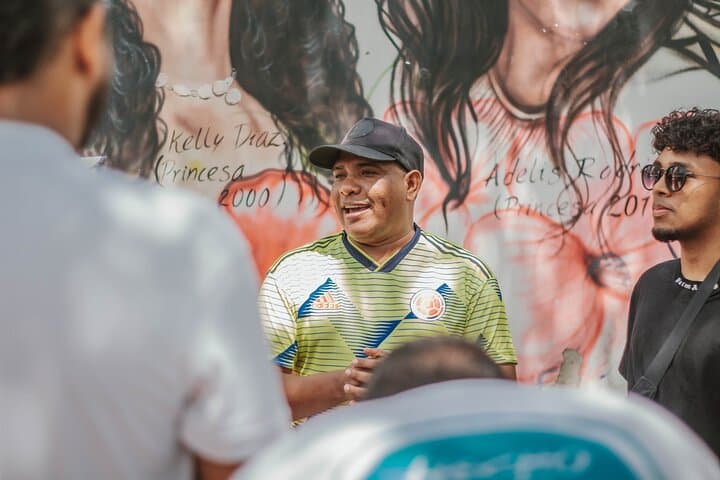
You’ll walk with local guides from El Pozón, meet community members who run trade workshops, and sample street food that speaks of displacement and resilience. Expect direct conversation, murals, and an on-foot rhythm that slows the city’s rush into human scale.
Practical guidance: plan for a 5–6 hour experience, comfortable shoes, sun protection and a small daypack. The route uses public transport (about a 45-minute ride each way), so carry local cash and a charged phone. The tour is family-friendly and rated easy, but respect local spaces—ask before photographing people and support community vendors directly. Arrive at the clock tower 10 minutes early; bring water and curiosity.
easy.
5–6 hours.
Suitable for most fitness levels; requires standing, moderate walking and a 45-minute bus ride each way.
The experience runs about 5–6 hours, including the Transcaribe ride to El Pozón and the on-foot cultural exchange.
Yes—infants and small children can ride in strollers, and infant seats are available; parts of the route are stroller-accessible.
No admissions are required; the tour focuses on public spaces and community visits where purchases are optional.
Meet at the clock tower in Cartagena’s historic center (Parque de la Marina); arrive 10 minutes early to check in with the guide.
Cartagena grew as a strategic colonial port; its Afro-Caribbean culture and popular neighborhoods reflect centuries of trade, forced migration, and community resilience.
The tour supports community economies—buy locally and avoid single-use plastics; follow guides’ directions to minimize impact on residential areas.
InCartagena operates guided outdoor trips and adventures with an emphasis on safety, stewardship, and memorable experiences.


You meet at the clock tower in Cartagena’s historic center as the Caribbean breeze nudges the plaza, the ocean scent threading between colonial facades. A Transcaribe bus rattles you away from the tourist lanes; through open windows you pass the bulk of San Felipe, the Popa hill’s white convent and the noisy arteries leading to Bazurto. The city unfolds like conversation—loud, layered and insistently alive.
You meet at the clock tower in Cartagena’s historic center as the Caribbean breeze nudges the plaza, the ocean scent threading between colonial facades. A Transcaribe bus rattles you away from the tourist lanes; through open windows you pass the bulk of San Felipe, the Popa hill’s white convent and the noisy arteries leading to Bazurto. The city unfolds like conversation—loud, layered and insistently alive.
This is not a museum tour. Where I come from places you inside Cartagena’s popular neighbourhoods to hear the stories usually spoken at streetcorners: Afro-Caribbean rhythms, community leaders, and the historical forces—trade, slavery, urban policy—that shaped exclusion and belonging here. Geologically the city sits on a low coastal plain with limestone outcrops; the fortifications of San Felipe exploit those ridges, casting long shadows over neighborhoods that grew where the land and sea met commerce.
You’ll walk with local guides from El Pozón, meet community members who run trade workshops, and sample street food that speaks of displacement and resilience. Expect direct conversation, murals, and an on-foot rhythm that slows the city’s rush into human scale.
Practical guidance: plan for a 5–6 hour experience, comfortable shoes, sun protection and a small daypack. The route uses public transport (about a 45-minute ride each way), so carry local cash and a charged phone. The tour is family-friendly and rated easy, but respect local spaces—ask before photographing people and support community vendors directly. Arrive at the clock tower 10 minutes early; bring water and curiosity.