THE ADVENTURE COLLECTIVE® · Independent discovery and booking for outdoor travel

A compact, full-day loop from Brașov that links Curmătura Chalet, Zărnești Gorges and high viewpoints on Piatra Craiului and Bucegi. Expect steep climbs, limestone ridges and alpine pasture views—ideal for fit hikers ready for varied terrain.
A compact, full-day loop from Brașov that links Curmătura Chalet, Zărnești Gorges and high viewpoints on Piatra Craiului and Bucegi. Expect steep climbs, limestone ridges and alpine pasture views—ideal for fit hikers ready for varied terrain.
A cold wind from the ridgelines cuts across the meadow as you step out of the minivan and sight the wooden roof of Curmătura Chalet. The trail climbs steadily, forest opening into scrub and limestone ribs; clouds draft over Bucegi’s broad shoulders while Piatra Craiului’s serrated ridge watches like a patient guard. The day loops through classic Transylvanian mountain scenery—spruce stands, limestone gullies and high alpine pastures dotted with low stone chalets.
Verified experiences and guided adventures in the surrounding area.
Operated by eBikeRide · Brașov, Brașov County
A cold wind from the ridgelines cuts across the meadow as you step out of the minivan and sight the wooden roof of Curmătura Chalet. The trail climbs steadily, forest opening into scrub and limestone ribs; clouds draft over Bucegi’s broad shoulders while Piatra Craiului’s serrated ridge watches like a patient guard. The day loops through classic Transylvanian mountain scenery—spruce stands, limestone gullies and high alpine pastures dotted with low stone chalets.
These ranges are part of the Southern Carpathians, carved by ancient sea beds and sculpted by freeze-thaw cycles into narrow gorges and knife-edge ridges. Human history here is practical: seasonal shepherding led to simple chalets and marked herd paths that now guide hikers. Zărnești Gorges, a narrow canyon on the Piatra Craiului flank, is a geological highlight: sheer limestone walls and fast water that demand respect.
Expect varied terrain—packed dirt, rocky steps, occasional scree—and steady climbs that test cardiovascular fitness more than technical skill. Weather in the Carpathians can flip from sun to rain in an hour; layers and waterproofs are essential.
Practical notes: start early from Brașov to avoid afternoon storms, carry 2–3 liters of water, and use good ankle-support boots for uneven sections. If the group visits multiple chalets, plan rest and photography stops; chalets offer shelter and local conversation but limited services. Stick to marked trails to protect fragile alpine meadows and leave wildlife undisturbed—this is a day to move deliberately and come away with a clear sense of these mountains’ scale and history.
challenging.
6–8 hours.
Strong cardiovascular fitness and stamina for continuous uphill sections; comfortable with long day hikes.
You should be comfortable hiking 6–8 hours with sustained climbs and uneven terrain; prior day-hike experience at moderate intensity is recommended.
Chalets provide basic shelter and sometimes simple refreshments, but don’t rely on full services—bring food and water as primary supplies.
Short, fit children may manage parts; older hikers should consider pace and elevation gain—discuss with the operator if mobility is limited.
Organizers commonly cancel or alter the route in storms or heavy snow—check cancellation policies and plan flexible travel arrangements.
These ridgelines supported transhumant shepherding for centuries; simple mountain chalets evolved as seasonal refuges and waypoints for local herders.
Trails can erode quickly on steep limestone slopes—stick to marked routes, pack out waste, and avoid off-trail shortcuts to protect fragile alpine vegetation.
eBikeRide operates guided outdoor trips and adventures with an emphasis on safety, stewardship, and memorable experiences.
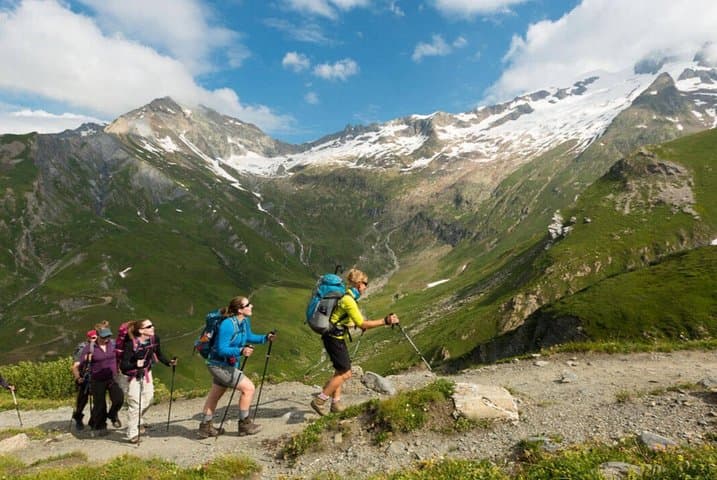
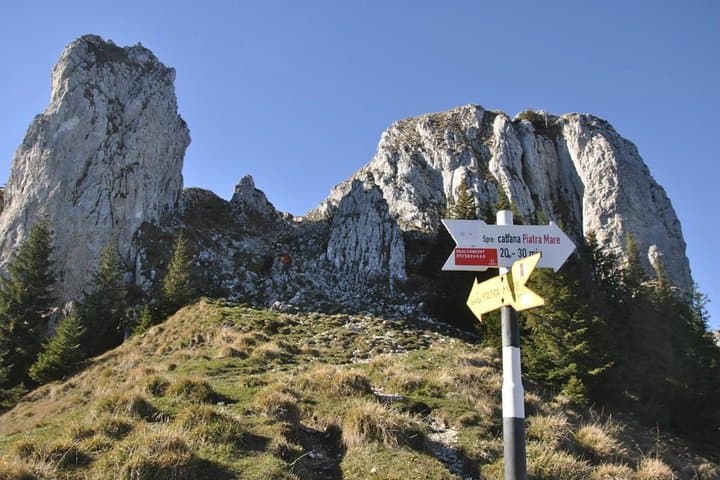
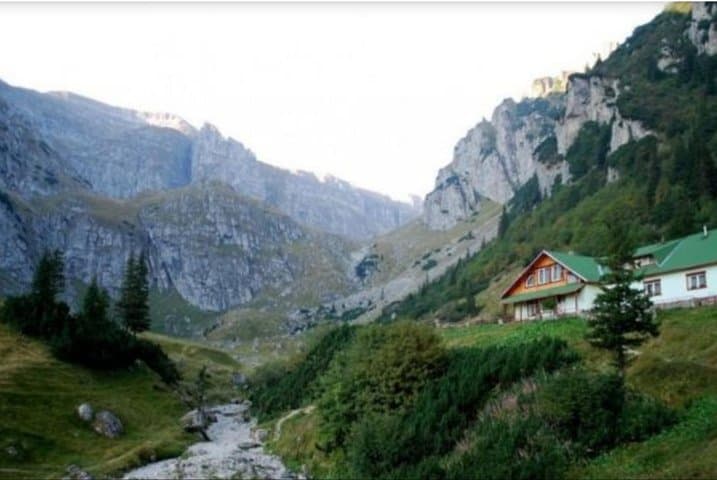
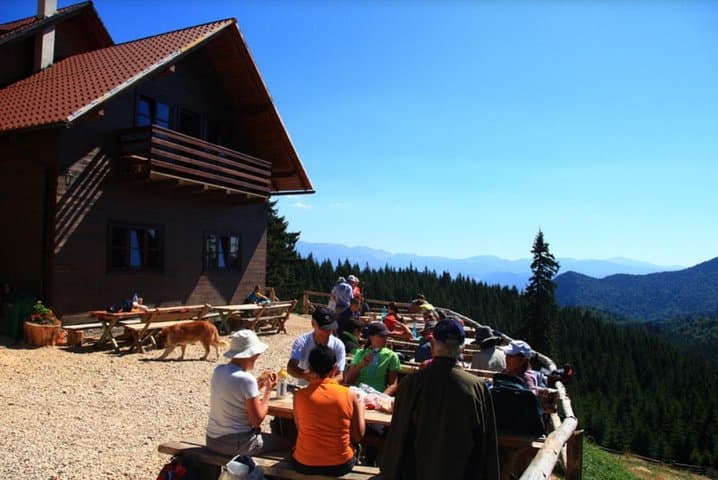
A cold wind from the ridgelines cuts across the meadow as you step out of the minivan and sight the wooden roof of Curmătura Chalet. The trail climbs steadily, forest opening into scrub and limestone ribs; clouds draft over Bucegi’s broad shoulders while Piatra Craiului’s serrated ridge watches like a patient guard. The day loops through classic Transylvanian mountain scenery—spruce stands, limestone gullies and high alpine pastures dotted with low stone chalets.
A cold wind from the ridgelines cuts across the meadow as you step out of the minivan and sight the wooden roof of Curmătura Chalet. The trail climbs steadily, forest opening into scrub and limestone ribs; clouds draft over Bucegi’s broad shoulders while Piatra Craiului’s serrated ridge watches like a patient guard. The day loops through classic Transylvanian mountain scenery—spruce stands, limestone gullies and high alpine pastures dotted with low stone chalets.
These ranges are part of the Southern Carpathians, carved by ancient sea beds and sculpted by freeze-thaw cycles into narrow gorges and knife-edge ridges. Human history here is practical: seasonal shepherding led to simple chalets and marked herd paths that now guide hikers. Zărnești Gorges, a narrow canyon on the Piatra Craiului flank, is a geological highlight: sheer limestone walls and fast water that demand respect.
Expect varied terrain—packed dirt, rocky steps, occasional scree—and steady climbs that test cardiovascular fitness more than technical skill. Weather in the Carpathians can flip from sun to rain in an hour; layers and waterproofs are essential.
Practical notes: start early from Brașov to avoid afternoon storms, carry 2–3 liters of water, and use good ankle-support boots for uneven sections. If the group visits multiple chalets, plan rest and photography stops; chalets offer shelter and local conversation but limited services. Stick to marked trails to protect fragile alpine meadows and leave wildlife undisturbed—this is a day to move deliberately and come away with a clear sense of these mountains’ scale and history.