THE ADVENTURE COLLECTIVE® · Independent discovery and booking for outdoor travel

Walk beneath Carmona’s limestone hill into a Roman necropolis where carved burial chambers and ancient inscriptions reveal a city shaped by Phoenicians, Romans, Arabs and Christians. This two-hour guided tour balances archaeology with local context and practical tips for visiting.
Walk beneath Carmona’s limestone hill into a Roman necropolis where carved burial chambers and ancient inscriptions reveal a city shaped by Phoenicians, Romans, Arabs and Christians. This two-hour guided tour balances archaeology with local context and practical tips for visiting.
A dry wind moves across the pale stone of Carmona as your guide leads the group down a stepped lane toward a low-cut entrance hewn into the hill. In the half-light of the Roman necropolis, carved chambers and vaulted corridors give the impression that the city keeps its dead close — not hidden, but present. The tour begins here, among tombs marked by names and inscriptions that trace a long chain of empires.
Verified experiences and guided adventures in the surrounding area.
Operated by Andalusia Tour Travel · Carmona, Andalusia
A dry wind moves across the pale stone of Carmona as your guide leads the group down a stepped lane toward a low-cut entrance hewn into the hill. In the half-light of the Roman necropolis, carved chambers and vaulted corridors give the impression that the city keeps its dead close — not hidden, but present. The tour begins here, among tombs marked by names and inscriptions that trace a long chain of empires.
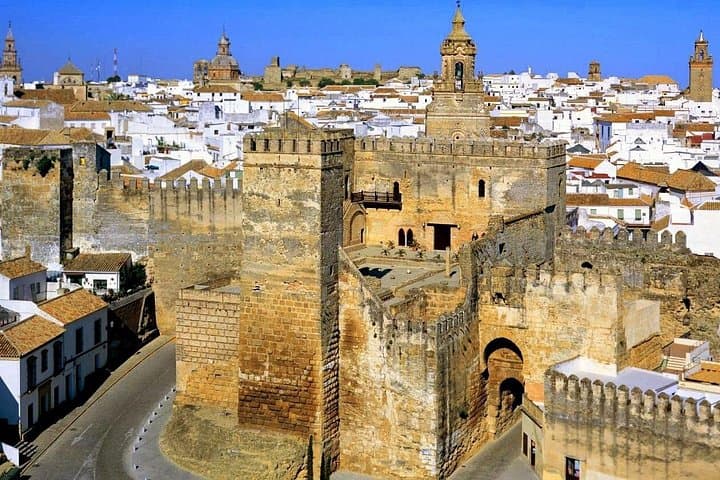
Carmona sits on a limestone plateau east of Seville. Its geology — compact calcarenite and karst outcrops — made hollow rock burial chambers practical for Romans and earlier settlers. The town’s story threads through Phoenician trade, Carthaginian strategic posts, Roman municipal life, an extended period under Al-Andalus, and later Christian rule; each layer left built fabric, urban walls and funerary architecture.
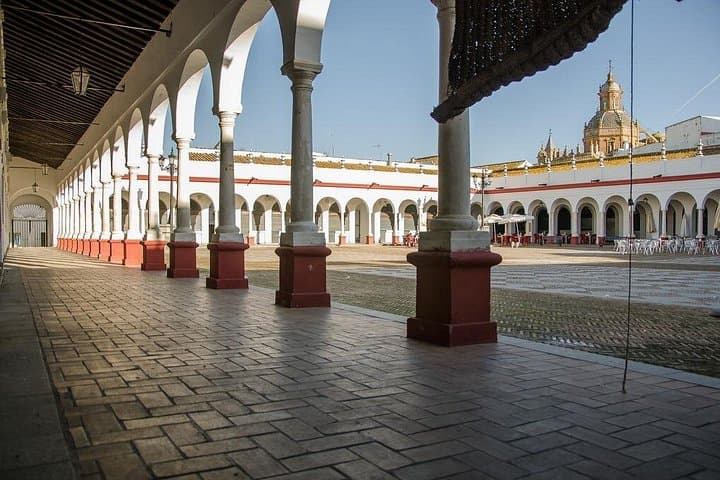
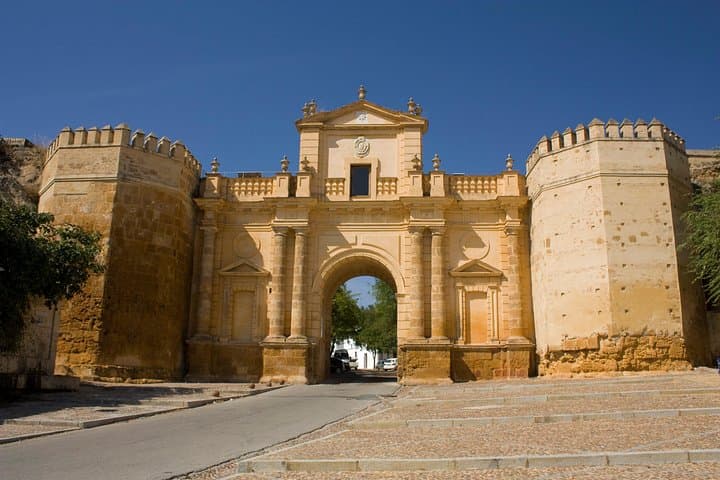
Culturally the town is compact: whitewashed streets, tight plazas, and an archaeological ensemble that reveals funerary rites and social structure. Small museums nearby collect finds from the necropolis and the Alcázar gate area, offering context beyond the stones.
Practical guidance: the tour runs about two hours with uneven steps and low lighting in the necropolis — a small flashlight or charged phone helps. Comfortable walking shoes are essential; bring water in summer and a light jacket in spring or fall. The route is mostly paved, wheelchair access is available to some sites but underground chambers require steps. Aim for morning or late afternoon to avoid midday heat and to see long shadows cutting across the tomb facades. Respect barriers and photography rules inside sensitive areas; the site is fragile and best experienced with attentive silence.
easy.
2 hours.
Suitable for most fitness levels — expect walking on uneven pavements and short stair sections.
The guided tour lasts about two hours and covers short distances on paved streets with some stair sections; it’s classified as easy walking.
Parts of the Archaeological Ensemble are wheelchair accessible, but underground tomb chambers require steps and are not fully accessible.
Tours are usually conducted in Spanish and may be bilingual; check at booking for language options or request a specific language if available.
Full refunds are available if you cancel at least 24 hours before the scheduled departure; no refunds once the tour has commenced.
Carmona’s occupation stretches from Phoenician and Carthaginian activity to Roman municipal prominence and extended medieval periods under Muslim and later Christian rule, reflected in funerary and defensive architecture.
The necropolis is sensitive to foot traffic and humidity; visitors should stick to marked paths, avoid touching carvings, and follow the guide to minimize impact.
Andalusia Tour Travel operates guided outdoor trips and adventures with an emphasis on safety, stewardship, and memorable experiences.
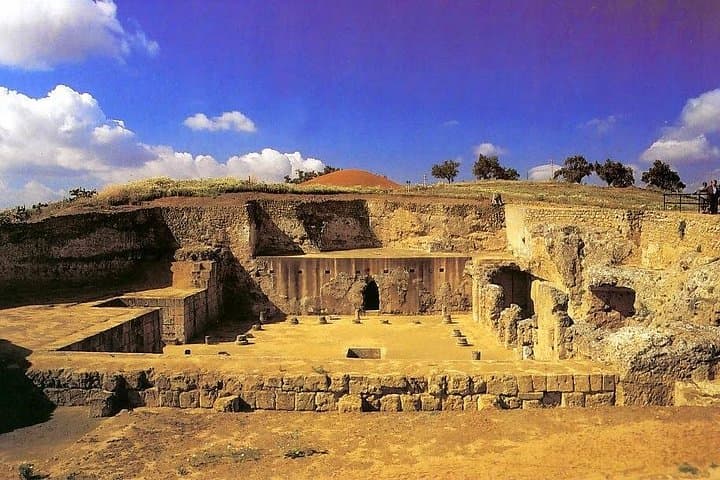
A dry wind moves across the pale stone of Carmona as your guide leads the group down a stepped lane toward a low-cut entrance hewn into the hill. In the half-light of the Roman necropolis, carved chambers and vaulted corridors give the impression that the city keeps its dead close — not hidden, but present. The tour begins here, among tombs marked by names and inscriptions that trace a long chain of empires.
A dry wind moves across the pale stone of Carmona as your guide leads the group down a stepped lane toward a low-cut entrance hewn into the hill. In the half-light of the Roman necropolis, carved chambers and vaulted corridors give the impression that the city keeps its dead close — not hidden, but present. The tour begins here, among tombs marked by names and inscriptions that trace a long chain of empires.
Carmona sits on a limestone plateau east of Seville. Its geology — compact calcarenite and karst outcrops — made hollow rock burial chambers practical for Romans and earlier settlers. The town’s story threads through Phoenician trade, Carthaginian strategic posts, Roman municipal life, an extended period under Al-Andalus, and later Christian rule; each layer left built fabric, urban walls and funerary architecture.
Culturally the town is compact: whitewashed streets, tight plazas, and an archaeological ensemble that reveals funerary rites and social structure. Small museums nearby collect finds from the necropolis and the Alcázar gate area, offering context beyond the stones.
Practical guidance: the tour runs about two hours with uneven steps and low lighting in the necropolis — a small flashlight or charged phone helps. Comfortable walking shoes are essential; bring water in summer and a light jacket in spring or fall. The route is mostly paved, wheelchair access is available to some sites but underground chambers require steps. Aim for morning or late afternoon to avoid midday heat and to see long shadows cutting across the tomb facades. Respect barriers and photography rules inside sensitive areas; the site is fragile and best experienced with attentive silence.