THE ADVENTURE COLLECTIVE® · Independent discovery and booking for outdoor travel

Spend an afternoon tasting boutique wines in scenic Carmel Valley with a viticulture expert. This half-day tour pairs guided tastings with a vineyard walk and insider notes on terroir and varietals.
Spend an afternoon tasting boutique wines in scenic Carmel Valley with a viticulture expert. This half-day tour pairs guided tastings with a vineyard walk and insider notes on terroir and varietals.
The road into Carmel Valley opens like a wide inhale: low ridgelines of oak and chaparral, rows of vines bending toward the afternoon sun, and the faint scent of damp earth where the river threads the valley floor. On this half-day tasting you move through three boutique tasting rooms, guided by a viticulture expert whose 25+ years in the region and Master’s degree in viticulture turn pours into lessons about soil, slope and variety.
Verified experiences and guided adventures in the surrounding area.
Operated by Ag Venture Tours · Carmel Valley Village, California
The road into Carmel Valley opens like a wide inhale: low ridgelines of oak and chaparral, rows of vines bending toward the afternoon sun, and the faint scent of damp earth where the river threads the valley floor. On this half-day tasting you move through three boutique tasting rooms, guided by a viticulture expert whose 25+ years in the region and Master’s degree in viticulture turn pours into lessons about soil, slope and variety.
Carmel Valley sits on a fault-affected alluvial plain fed by cooler coastal breezes. The soils—sandier in the lowlands and rockier on slopes—favor Pinot Noir and Chardonnay in cooler pockets and Rhône or Bordeaux varieties in warmer sites. The valley’s winemaking history dates to early 20th-century plantings, with a renewed boutique winery movement after the 1970s that emphasizes site-driven small lots.
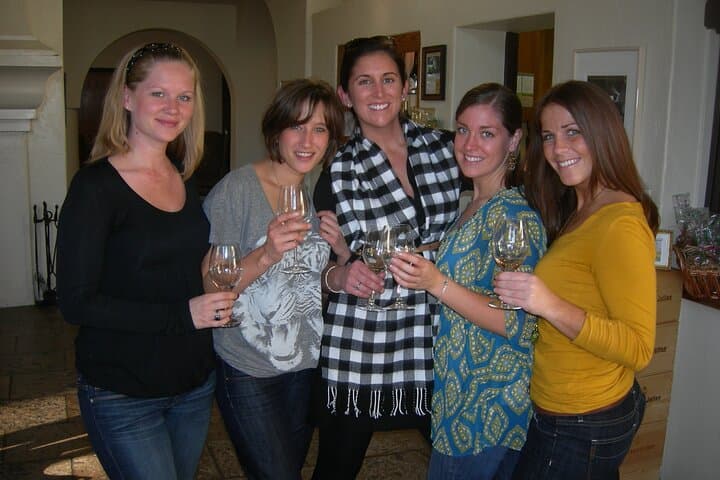
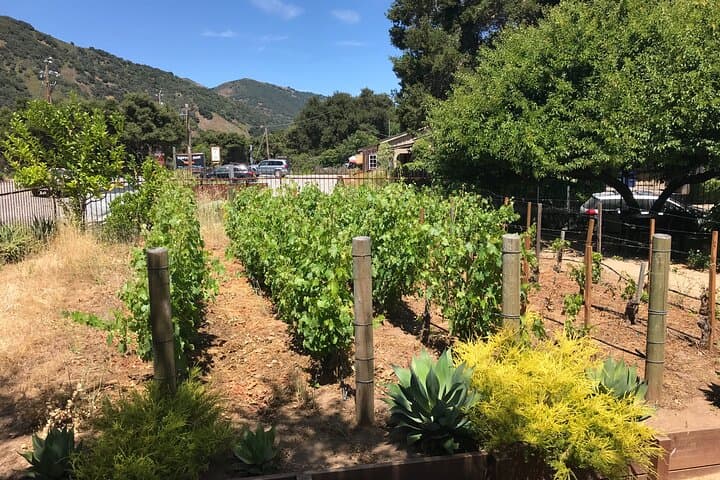
Culturally, tastings here feel relaxed: winemakers and cellar hands often trade anecdotes about farming choices and barrel selections, and intimate tasting rooms encourage conversation. Expect a mix of indoor hospitality and outdoor patios when weather allows, plus an educational vineyard walk at one stop to see vine spacing, trellising and cover crops.
Practical guidance: afternoon tours run ~3.5 hours; bring photo ID for age verification, comfortable shoes for short vineyard walks, and a light jacket for coastal breezes. Stay hydrated between pours and arrange transport—this is a tasting, not a drive-home plan. If you fall for a bottle, most wineries offer shipping and club options to take the valley home with you.
easy.
3–4 hours.
Light walking and standing during tastings; suitable for most fitness levels
The tour is approximately 3.5 hours (210 minutes), typically in the afternoon and includes visits to multiple tasting rooms.
The tour listing includes air-conditioned transport; confirm pickup point at booking and avoid driving after tastings.
Each tasting room offers a guided flight—expect two whites and two reds per stop as described; specific varietals vary by day.
Yes; the tour involves minimal walking and standing and is described as suitable for all physical fitness levels.
Carmel Valley’s modern boutique wine industry grew after mid-20th-century plantings; growers focus on small-lot, site-specific wines informed by coastal influence.
Many local wineries practice sustainable viticulture—cover crops, drip irrigation and limited spraying—to conserve water and soil health in this semi-arid valley.
Ag Venture Tours operates guided outdoor trips and adventures with an emphasis on safety, stewardship, and memorable experiences.
The road into Carmel Valley opens like a wide inhale: low ridgelines of oak and chaparral, rows of vines bending toward the afternoon sun, and the faint scent of damp earth where the river threads the valley floor. On this half-day tasting you move through three boutique tasting rooms, guided by a viticulture expert whose 25+ years in the region and Master’s degree in viticulture turn pours into lessons about soil, slope and variety.
The road into Carmel Valley opens like a wide inhale: low ridgelines of oak and chaparral, rows of vines bending toward the afternoon sun, and the faint scent of damp earth where the river threads the valley floor. On this half-day tasting you move through three boutique tasting rooms, guided by a viticulture expert whose 25+ years in the region and Master’s degree in viticulture turn pours into lessons about soil, slope and variety.
Carmel Valley sits on a fault-affected alluvial plain fed by cooler coastal breezes. The soils—sandier in the lowlands and rockier on slopes—favor Pinot Noir and Chardonnay in cooler pockets and Rhône or Bordeaux varieties in warmer sites. The valley’s winemaking history dates to early 20th-century plantings, with a renewed boutique winery movement after the 1970s that emphasizes site-driven small lots.
Culturally, tastings here feel relaxed: winemakers and cellar hands often trade anecdotes about farming choices and barrel selections, and intimate tasting rooms encourage conversation. Expect a mix of indoor hospitality and outdoor patios when weather allows, plus an educational vineyard walk at one stop to see vine spacing, trellising and cover crops.
Practical guidance: afternoon tours run ~3.5 hours; bring photo ID for age verification, comfortable shoes for short vineyard walks, and a light jacket for coastal breezes. Stay hydrated between pours and arrange transport—this is a tasting, not a drive-home plan. If you fall for a bottle, most wineries offer shipping and club options to take the valley home with you.