THE ADVENTURE COLLECTIVE® · Independent discovery and booking for outdoor travel

A self-guided audio walk along Carmel Point that pairs coastal views of Point Lobos with stories of historic homes and local characters. Download the VoiceMap tour, follow turn-by-turn directions, and expect 1.5–2 hours of easy walking along bluffs and tree-lined streets.
A self-guided audio walk along Carmel Point that pairs coastal views of Point Lobos with stories of historic homes and local characters. Download the VoiceMap tour, follow turn-by-turn directions, and expect 1.5–2 hours of easy walking along bluffs and tree-lined streets.
The path opens with wind and surf—Carmel Point’s shoreline laying out in low cliffs, breakers stroking the rocks, and firs bending toward the water. Walking from the Walker House “Cabin on the Rocks,” the route alternates between seaside bluff, tree-lined residential streets, and quiet pocket beaches where the Pacific seems to test each visitor’s attention.
Verified experiences and guided adventures in the surrounding area.
Operated by VoiceMap Audio Tours · Carmel-by-the-Sea, California
The path opens with wind and surf—Carmel Point’s shoreline laying out in low cliffs, breakers stroking the rocks, and firs bending toward the water. Walking from the Walker House “Cabin on the Rocks,” the route alternates between seaside bluff, tree-lined residential streets, and quiet pocket beaches where the Pacific seems to test each visitor’s attention.
This stretch of coast carries layers of history: early 20th-century artists and actors who built distinctive homes, poet Robinson Jeffers’ Tor House carved from local stone, and a small-town film legacy visible in storefronts and façades. Geologically, the area is Monterey shale and marine terraces formed by uplift and wave-cut erosion—easy to read in the low bluffs and exposed cobbles along the shore.
Culturally, Carmel-by-the-Sea prizes small-scale architecture, walkability, and a local conservation ethic. Wildlife watches from the water—sea otters, migrating seabirds, and the occasional seal congregation—while dune grasses and scrub pine hold the bluff together.
Practically, this is a self-guided audio walk best done in calm weather. Download the VoiceMap tour and its offline map before arrival; the narration provides turn-by-turn cues and historical context so you can look up instead of down at your phone. Expect 1.5–2 hours of mostly level walking on paved streets and compacted coastal paths; shoes with good grip and windproof layers are sensible. Keep to public right-of-ways, respect private properties, and carry water—Carmel’s salt wind can be deceptively dehydrating. Timing your walk around sunrise or late afternoon maximizes light on the bluffs and reduces crowds, giving you room to hear the stories as the ocean pushes at the shore.
easy.
1.5–2 hours.
Suitable for most fitness levels; able to walk for up to two hours with short stops
The tour runs about 90–120 minutes and covers mostly level walking on paved streets and coastal paths—suitable for most walkers.
No—download the VoiceMap tour (audio, maps, geodata) beforehand and run it offline to avoid needing cellular data.
Much of the route follows paved sidewalks and flat paths, but some viewpoints include uneven boardwalks or steps; accessibility varies by section.
Service animals are allowed; for non-service pets, follow local leash laws and be mindful of private properties along the route.
Carmel Point includes distinctive early 20th-century cottages and the nearby Tor House, built by poet Robinson Jeffers, reflecting the area's artistic and literary heritage.
The coastal bluffs are ecologically sensitive—stay on designated paths, pack out trash, and avoid disturbing nesting birds or dune vegetation.
VoiceMap Audio Tours operates guided outdoor trips and adventures with an emphasis on safety, stewardship, and memorable experiences.
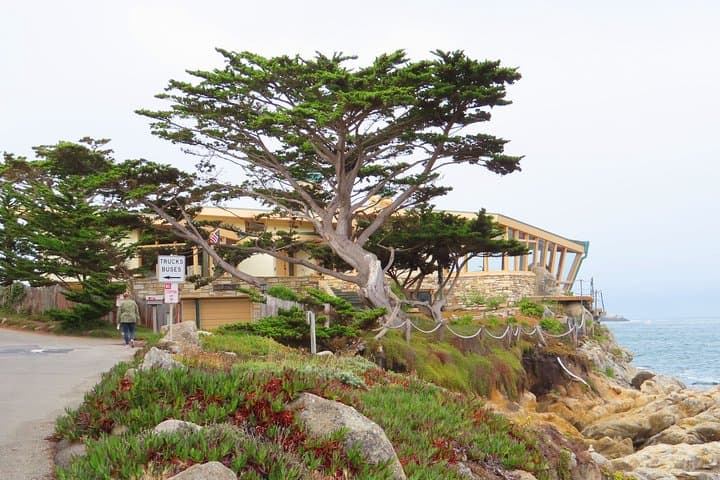
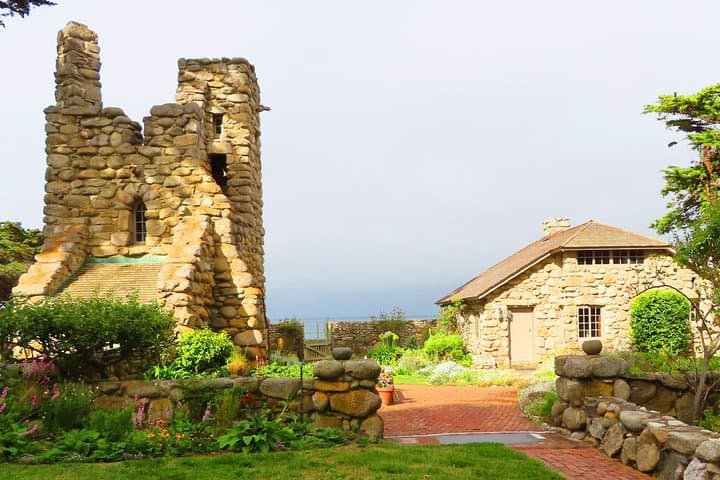
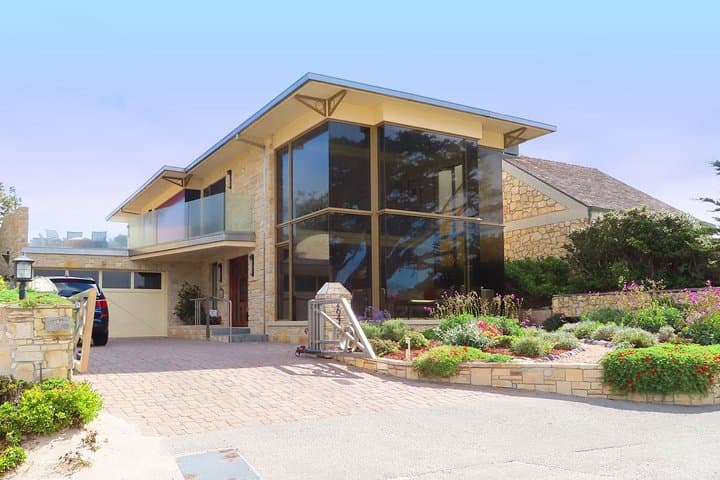
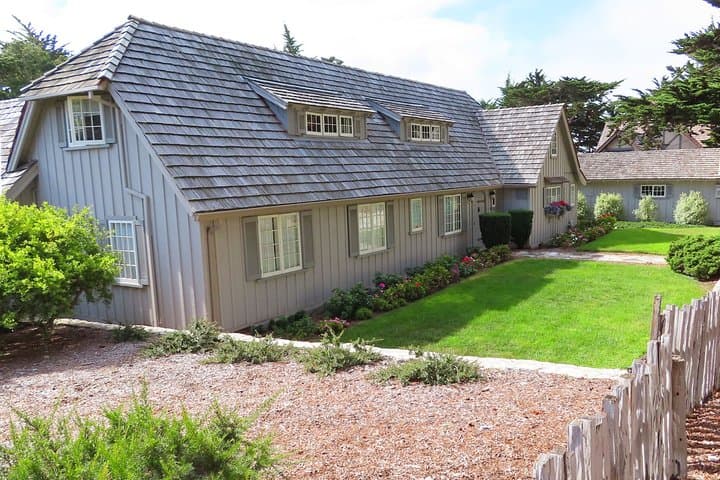
The path opens with wind and surf—Carmel Point’s shoreline laying out in low cliffs, breakers stroking the rocks, and firs bending toward the water. Walking from the Walker House “Cabin on the Rocks,” the route alternates between seaside bluff, tree-lined residential streets, and quiet pocket beaches where the Pacific seems to test each visitor’s attention.
The path opens with wind and surf—Carmel Point’s shoreline laying out in low cliffs, breakers stroking the rocks, and firs bending toward the water. Walking from the Walker House “Cabin on the Rocks,” the route alternates between seaside bluff, tree-lined residential streets, and quiet pocket beaches where the Pacific seems to test each visitor’s attention.
This stretch of coast carries layers of history: early 20th-century artists and actors who built distinctive homes, poet Robinson Jeffers’ Tor House carved from local stone, and a small-town film legacy visible in storefronts and façades. Geologically, the area is Monterey shale and marine terraces formed by uplift and wave-cut erosion—easy to read in the low bluffs and exposed cobbles along the shore.
Culturally, Carmel-by-the-Sea prizes small-scale architecture, walkability, and a local conservation ethic. Wildlife watches from the water—sea otters, migrating seabirds, and the occasional seal congregation—while dune grasses and scrub pine hold the bluff together.
Practically, this is a self-guided audio walk best done in calm weather. Download the VoiceMap tour and its offline map before arrival; the narration provides turn-by-turn cues and historical context so you can look up instead of down at your phone. Expect 1.5–2 hours of mostly level walking on paved streets and compacted coastal paths; shoes with good grip and windproof layers are sensible. Keep to public right-of-ways, respect private properties, and carry water—Carmel’s salt wind can be deceptively dehydrating. Timing your walk around sunrise or late afternoon maximizes light on the bluffs and reduces crowds, giving you room to hear the stories as the ocean pushes at the shore.