THE ADVENTURE COLLECTIVE® · Independent discovery and booking for outdoor travel

Explore St Maarten’s shallow wrecks and vibrant reefs on a two-tank dive trip for certified divers. Small groups, clear Caribbean water and encounters with turtles, lobsters and wreck history make this a solid choice for experienced recreational divers.
Explore St Maarten’s shallow wrecks and vibrant reefs on a two-tank dive trip for certified divers. Small groups, clear Caribbean water and encounters with turtles, lobsters and wreck history make this a solid choice for experienced recreational divers.
You step off the dive boat into water the color of poured aquamarine, where sunlight fingers through gentle surface ripples and a reef slope waits below like an open doorway. The boat hums, the guide checks gear, and the island—flat limestone at the lee of the Caribbean—slides into silhouette behind you.
Verified experiences and guided adventures in the surrounding area.
Operated by Aqua Mania Adventures · Philipsburg, Sint Maarten
You step off the dive boat into water the color of poured aquamarine, where sunlight fingers through gentle surface ripples and a reef slope waits below like an open doorway. The boat hums, the guide checks gear, and the island—flat limestone at the lee of the Caribbean—slides into silhouette behind you.
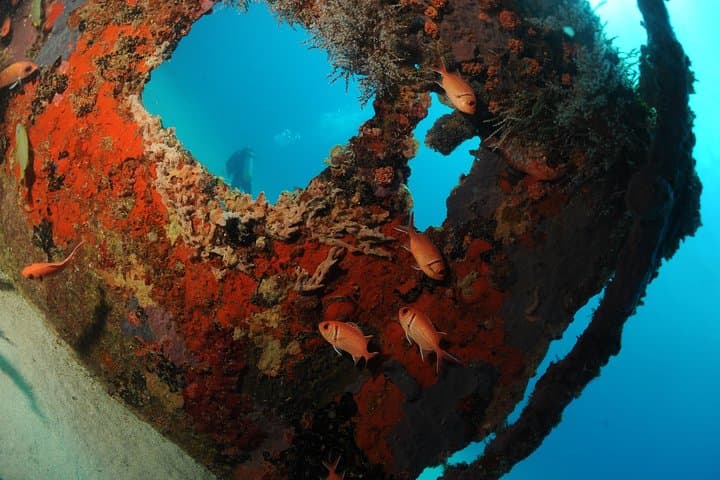
St Maarten’s coastline holds a layered maritime history: colonial-era wrecks like the Proselyte (sank 1801) now host coral gardens, and volcanic and carbonate geology creates ledges, swim-throughs and sandy basins that shape where fish school and turtles graze. The Dutch–French culture of the island shows up in harbor towns and on the docks; local boat crews combine practical seamanship with island hospitality.
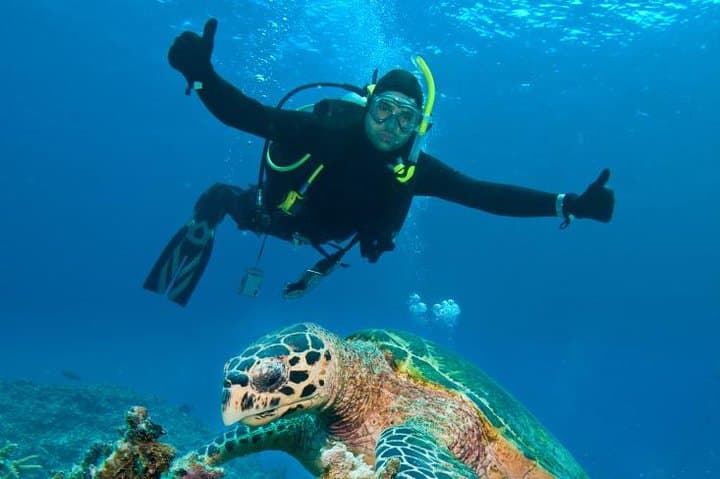
On a two-tank run you’ll typically do one reef and one wreck (or two reefs), encountering lobsters tucked under ledges, hawksbill or green turtles patrolling the topography, sea fans swaying in the current and the occasional reef shark sliding between pinnacles. Expect recreational depths (to ~30 m/100 ft) and visibility that often ranges from 15–30 m depending on conditions.
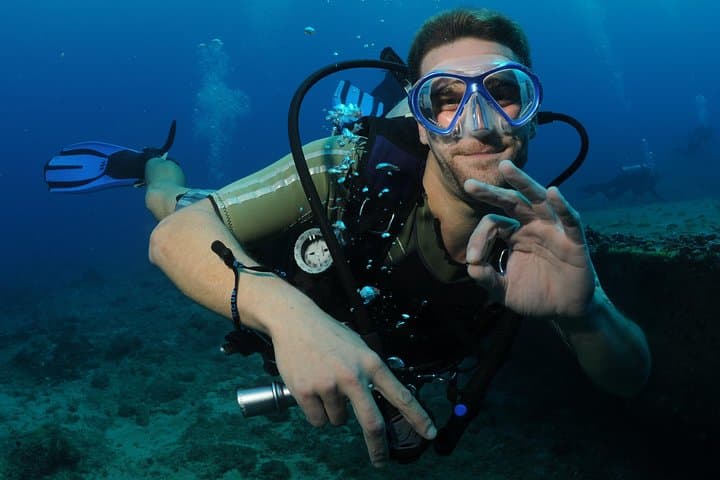
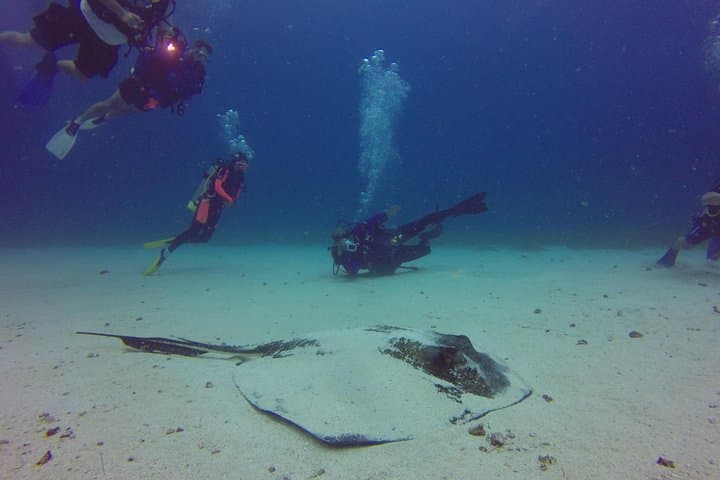
Practically: you must be PADI Open Water (or equivalent) and carry your certification card; arrive 30 minutes early. Bring a well-fitted mask, a dive computer and a wetsuit suitable for 26–29°C water; if it’s been more than a year since your last dive, arrange a refresher. The operator limits groups to 12 for focused guiding and safety briefings. Hydrate, avoid alcohol, and respect marine life—take photos, not souvenirs. If flying afterwards, follow the 18–24 hour no-fly guideline. With steady buoyancy and attention to the guide, St Maarten’s reefs and wrecks make for confident, wildlife-rich dives in calm Caribbean sea conditions.
moderate.
3–4 hours.
Should be in good cardiovascular shape and comfortable performing multiple dives; able to handle stairs and short boat transfers.
Yes—minimum certification is Open Water (or equivalent). Bring your certification card at check-in.
Minimum age is 16; divers under 18 must have a parent or guardian sign permission.
All standard scuba gear is provided, but many divers bring personal masks, computers or wetsuits for comfort.
Operators will cancel for bad weather or insufficient participants—refunds follow the operator’s 24‑hour cancellation policy; check at booking.
Several wrecks off St Maarten date to the colonial era; the Proselyte, a known local wreck, sank in the early 19th century and now supports diverse coral growth.
Operators generally follow no-touch and no-take rules; using reef-safe sunscreen and following briefings helps limit diver impact on fragile coral and reef species.
Aqua Mania Adventures operates guided outdoor trips and adventures with an emphasis on safety, stewardship, and memorable experiences.
You step off the dive boat into water the color of poured aquamarine, where sunlight fingers through gentle surface ripples and a reef slope waits below like an open doorway. The boat hums, the guide checks gear, and the island—flat limestone at the lee of the Caribbean—slides into silhouette behind you.
You step off the dive boat into water the color of poured aquamarine, where sunlight fingers through gentle surface ripples and a reef slope waits below like an open doorway. The boat hums, the guide checks gear, and the island—flat limestone at the lee of the Caribbean—slides into silhouette behind you.
St Maarten’s coastline holds a layered maritime history: colonial-era wrecks like the Proselyte (sank 1801) now host coral gardens, and volcanic and carbonate geology creates ledges, swim-throughs and sandy basins that shape where fish school and turtles graze. The Dutch–French culture of the island shows up in harbor towns and on the docks; local boat crews combine practical seamanship with island hospitality.
On a two-tank run you’ll typically do one reef and one wreck (or two reefs), encountering lobsters tucked under ledges, hawksbill or green turtles patrolling the topography, sea fans swaying in the current and the occasional reef shark sliding between pinnacles. Expect recreational depths (to ~30 m/100 ft) and visibility that often ranges from 15–30 m depending on conditions.
Practically: you must be PADI Open Water (or equivalent) and carry your certification card; arrive 30 minutes early. Bring a well-fitted mask, a dive computer and a wetsuit suitable for 26–29°C water; if it’s been more than a year since your last dive, arrange a refresher. The operator limits groups to 12 for focused guiding and safety briefings. Hydrate, avoid alcohol, and respect marine life—take photos, not souvenirs. If flying afterwards, follow the 18–24 hour no-fly guideline. With steady buoyancy and attention to the guide, St Maarten’s reefs and wrecks make for confident, wildlife-rich dives in calm Caribbean sea conditions.