THE ADVENTURE COLLECTIVE® · Independent discovery and booking for outdoor travel

Taste Cartagena’s coastal bounty in a 75-minute fruits tasting and hands-on paila ice cream class. Sample seasonal Caribbean fruits, learn local eating customs, and make artisanal ice cream using a bronze paila.
Taste Cartagena’s coastal bounty in a 75-minute fruits tasting and hands-on paila ice cream class. Sample seasonal Caribbean fruits, learn local eating customs, and make artisanal ice cream using a bronze paila.
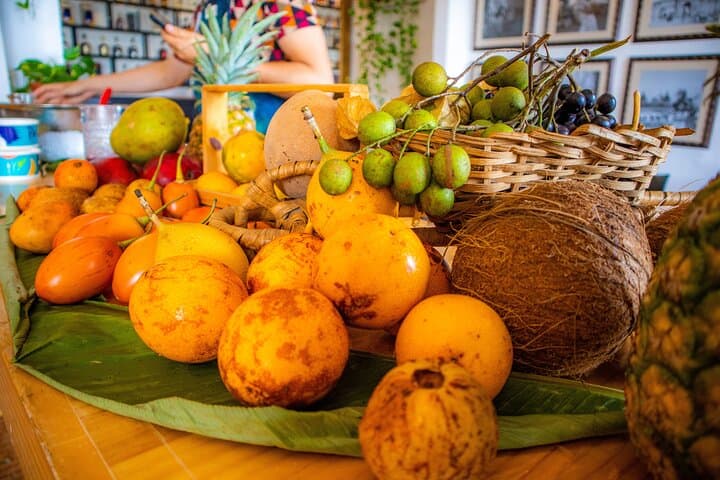
You step into a shaded courtyard off a Cartagena side street and the air fills with the sour-sweet perfume of guava, lulo and sour orange; the Caribbean breeze presses salt and citrus into your face. For 75 minutes the city’s coastal light becomes a tasting room—fruit piled on a table, a bronze paila catching the sun as the guide explains origins and technique.
Verified experiences and guided adventures in the surrounding area.
Operated by Local Colombia · Cartagena, Bolívar
You step into a shaded courtyard off a Cartagena side street and the air fills with the sour-sweet perfume of guava, lulo and sour orange; the Caribbean breeze presses salt and citrus into your face. For 75 minutes the city’s coastal light becomes a tasting room—fruit piled on a table, a bronze paila catching the sun as the guide explains origins and technique.
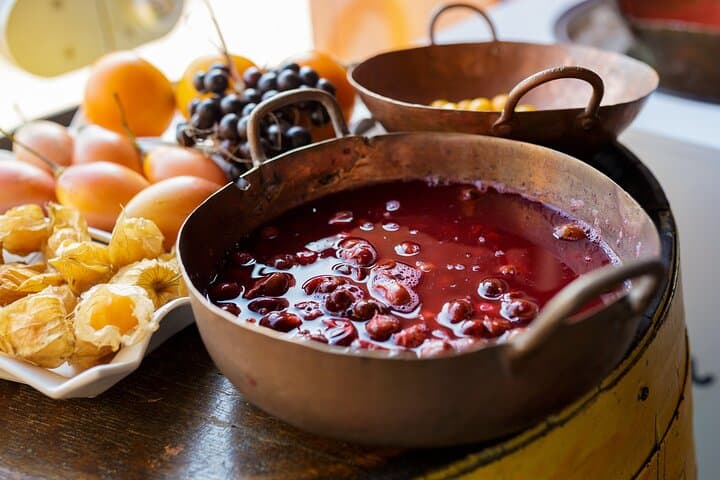
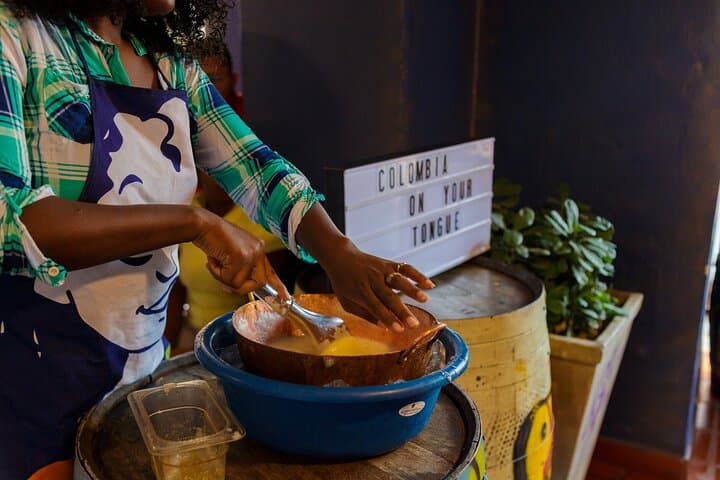
Cartagena’s food culture reflects coastal geology and colonial trade: tropical lowlands produce heat-loving fruits that arrived via indigenous cultivation and later global exchange. The paila, a broad bronze pan used to churn ice cream with rock salt and ice, is an ancestral coastal method still practiced on Colombia’s Caribbean shore, where African, indigenous and Spanish culinary threads meet.
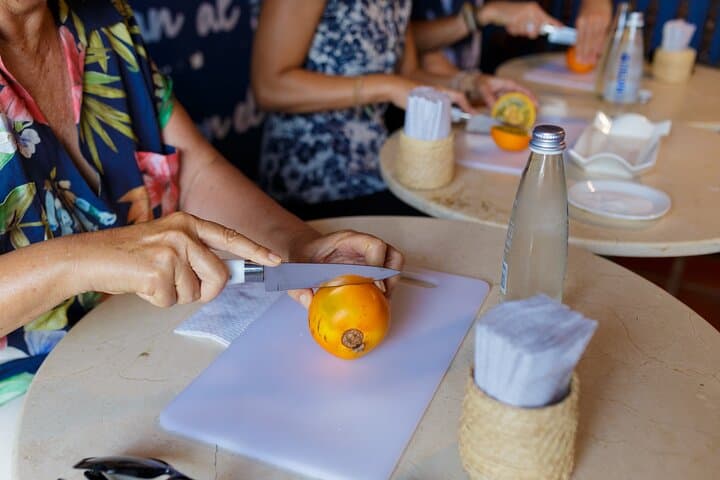
During the session you’ll sample at least five representative fruits—some seasonal—learn how locals eat them, and finish by making artisanal ice cream in the paila. Expect hands-on slicing, guided tasting notes (texture, acidity, sweetness) and a final scoop that highlights the fruit’s character.
Practicalities: groups are small (2–10 people), the pace is relaxed, and the class is suitable for most ages. Bring water, sun protection and any allergy information—fruit sessions often include unfamiliar varieties. Arrive hungry and ready to touch, smell and taste; cash is useful for nearby vendors after the class. This is a short, sensory way to connect with Cartagena’s coastal flavors and the farmers who grow them.
easy.
1–1.5 hours.
Low; casual mobility and ability to stand for short periods are sufficient
The session lasts about 75 minutes and includes tasting at least five fruits plus a hands-on paila ice cream demonstration.
Yes—children can participate, but indicate ages when booking and mention any dietary restrictions.
Yes—the operator asks guests to declare allergies during booking and before the tasting so they can adapt or advise accordingly.
No—this is a guided, beginner-friendly class focused on technique and tasting rather than complex culinary skills.
Cartagena’s role as a colonial port shaped its foodways; coastal fruits and Afro-Indigenous techniques like the paila ice cream reflect centuries of cultural exchange.
Operators often source fruit from local growers—choose experiences that minimize waste and use seasonal produce to support regional farmers and reduce transport emissions.
Local Colombia operates guided outdoor trips and adventures with an emphasis on safety, stewardship, and memorable experiences.
You step into a shaded courtyard off a Cartagena side street and the air fills with the sour-sweet perfume of guava, lulo and sour orange; the Caribbean breeze presses salt and citrus into your face. For 75 minutes the city’s coastal light becomes a tasting room—fruit piled on a table, a bronze paila catching the sun as the guide explains origins and technique.
You step into a shaded courtyard off a Cartagena side street and the air fills with the sour-sweet perfume of guava, lulo and sour orange; the Caribbean breeze presses salt and citrus into your face. For 75 minutes the city’s coastal light becomes a tasting room—fruit piled on a table, a bronze paila catching the sun as the guide explains origins and technique.
Cartagena’s food culture reflects coastal geology and colonial trade: tropical lowlands produce heat-loving fruits that arrived via indigenous cultivation and later global exchange. The paila, a broad bronze pan used to churn ice cream with rock salt and ice, is an ancestral coastal method still practiced on Colombia’s Caribbean shore, where African, indigenous and Spanish culinary threads meet.
During the session you’ll sample at least five representative fruits—some seasonal—learn how locals eat them, and finish by making artisanal ice cream in the paila. Expect hands-on slicing, guided tasting notes (texture, acidity, sweetness) and a final scoop that highlights the fruit’s character.
Practicalities: groups are small (2–10 people), the pace is relaxed, and the class is suitable for most ages. Bring water, sun protection and any allergy information—fruit sessions often include unfamiliar varieties. Arrive hungry and ready to touch, smell and taste; cash is useful for nearby vendors after the class. This is a short, sensory way to connect with Cartagena’s coastal flavors and the farmers who grow them.