THE ADVENTURE COLLECTIVE® · Independent discovery and booking for outdoor travel

Spend a full day navigating Cardiff’s waterfront, green spaces, and historic core. This guided tour blends a Taff River boat ride, Bute Park walks, Cardiff Castle, and museum time—ideal for travelers who want a single-day, immersive city overview with practical pacing.
Spend a full day navigating Cardiff’s waterfront, green spaces, and historic core. This guided tour blends a Taff River boat ride, Bute Park walks, Cardiff Castle, and museum time—ideal for travelers who want a single-day, immersive city overview with practical pacing.
Morning light breaks across Cardiff Bay and the Taff River, pushing reflections past the Wales Millennium Centre as the city wakes. A guided boat ride opens the day—water urging you toward the waterfront sculptures and the modern glass of the Senedd—before the route moves inland into Bute Park’s chestnut avenues and the green hush of tree-lined paths.
Verified experiences and guided adventures in the surrounding area.
Operated by Wales Trails · Cardiff, Wales
Morning light breaks across Cardiff Bay and the Taff River, pushing reflections past the Wales Millennium Centre as the city wakes. A guided boat ride opens the day—water urging you toward the waterfront sculptures and the modern glass of the Senedd—before the route moves inland into Bute Park’s chestnut avenues and the green hush of tree-lined paths.
Cardiff’s story is visible at every turn: a Roman fort’s ghost beneath the castle mound, Victorian facades from its coal-fueled boom, and contemporary civic architecture marking Wales’s cultural revival. Geologically, the city sits on Triassic and Carboniferous formations; the coal-rich valleys that made Cardiff an industrial engine still shape its river corridors and reclaimed docks.
Culturally the city balances Welsh language revival, rugby passion—the Principality Stadium dominates the skyline—and a lively market scene where bara brith and rarebit appear beside international street food. Local guides weave these threads into an easy pace: a lunch stop for traditional fare, a museum hour to absorb national art, then free time to sift through the Victorian Arcades or the covered Cardiff Market.
Practical guidance: expect 9–17 hours on your feet with stretches of riverboard transfer and city walking; wear supportive shoes and bring weatherproof layers. Peak times are late spring to early autumn for calmer bay waters and longer daylight. Pack a small daypack, plan for public-transport links back to hotels, and leave a window for the castle tour—entry is optional but worth the climb for the battlements’ outlook. This is a full, urban day that pairs history and contemporary culture with straightforward logistics.
moderate.
9–17 hours.
Moderate fitness—able to stand and walk several miles across varied paved and park terrain
The tour runs approximately 9–17 hours depending on private timing; it includes a guided boat passage, guided walks, museum time, and optional castle tour—meals and some admissions may not be included.
The short boat segment is family-friendly but may have boarding steps; check accessibility needs with the operator and note the tour involves walking in parks and streets.
Yes—guides typically suggest local restaurants offering Welsh dishes but allow flexibility for personal preferences and dietary needs.
Museum entry is often included as a stop with limited time; the castle offers optional guided tours—booking in advance is recommended during peak season to secure a slot.
Cardiff grew from a Roman settlement through a Victorian boom driven by South Wales coal exports; the castle reflects layers from Norman to Victorian Gothic Revival.
Regeneration of Cardiff Bay transformed docklands into mixed-use waterfronts with habitat restoration projects; visitors are encouraged to stick to paths in parks and avoid disturbing riverside wildlife.
Wales Trails operates guided outdoor trips and adventures with an emphasis on safety, stewardship, and memorable experiences.
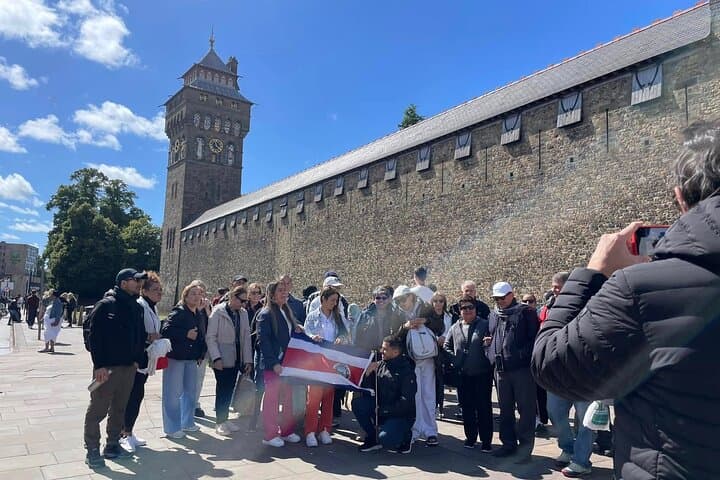
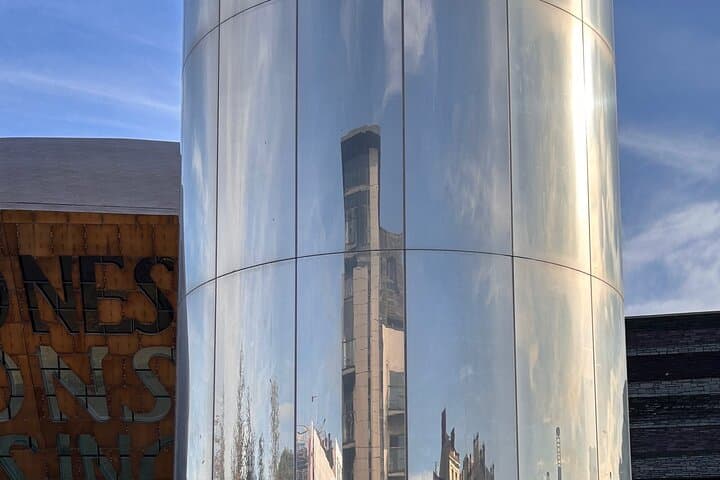
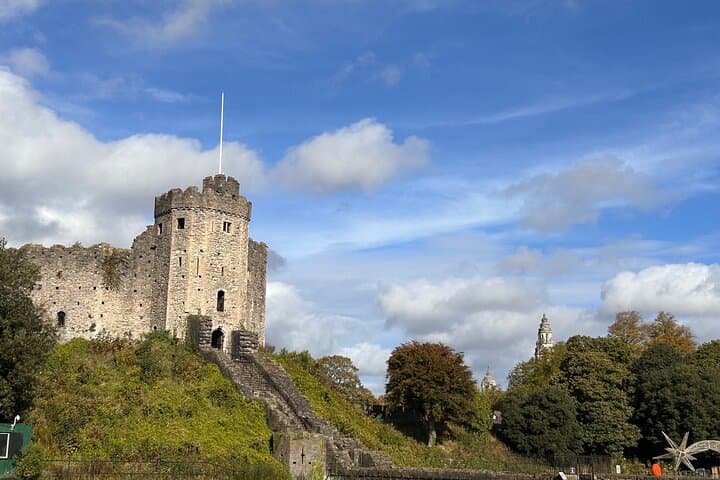
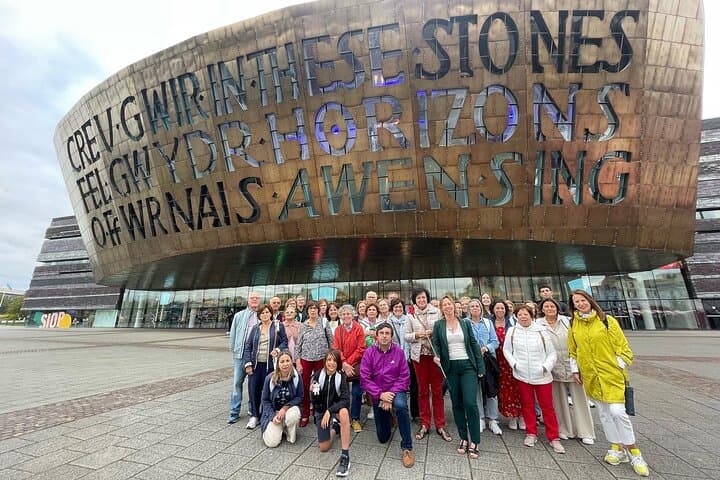
Morning light breaks across Cardiff Bay and the Taff River, pushing reflections past the Wales Millennium Centre as the city wakes. A guided boat ride opens the day—water urging you toward the waterfront sculptures and the modern glass of the Senedd—before the route moves inland into Bute Park’s chestnut avenues and the green hush of tree-lined paths.
Morning light breaks across Cardiff Bay and the Taff River, pushing reflections past the Wales Millennium Centre as the city wakes. A guided boat ride opens the day—water urging you toward the waterfront sculptures and the modern glass of the Senedd—before the route moves inland into Bute Park’s chestnut avenues and the green hush of tree-lined paths.
Cardiff’s story is visible at every turn: a Roman fort’s ghost beneath the castle mound, Victorian facades from its coal-fueled boom, and contemporary civic architecture marking Wales’s cultural revival. Geologically, the city sits on Triassic and Carboniferous formations; the coal-rich valleys that made Cardiff an industrial engine still shape its river corridors and reclaimed docks.
Culturally the city balances Welsh language revival, rugby passion—the Principality Stadium dominates the skyline—and a lively market scene where bara brith and rarebit appear beside international street food. Local guides weave these threads into an easy pace: a lunch stop for traditional fare, a museum hour to absorb national art, then free time to sift through the Victorian Arcades or the covered Cardiff Market.
Practical guidance: expect 9–17 hours on your feet with stretches of riverboard transfer and city walking; wear supportive shoes and bring weatherproof layers. Peak times are late spring to early autumn for calmer bay waters and longer daylight. Pack a small daypack, plan for public-transport links back to hotels, and leave a window for the castle tour—entry is optional but worth the climb for the battlements’ outlook. This is a full, urban day that pairs history and contemporary culture with straightforward logistics.