THE ADVENTURE COLLECTIVE® · Independent discovery and booking for outdoor travel

Explore Cardiff’s lesser-told stories on a two-hour walk through sites of executions, slums and haunted buildings. This guided tour mixes urban history with accessible routes and local insights.
Explore Cardiff’s lesser-told stories on a two-hour walk through sites of executions, slums and haunted buildings. This guided tour mixes urban history with accessible routes and local insights.
You step out from Cardiff’s bright high street into a cooler, quieter version of the city — cobbles underfoot, shopfronts that once flanked courts and back-to-back housing. The guide’s voice lowers as they point to a plain façade; beneath its modern windows lie stories of disease, executions and economic hardship that shaped the town.
Verified experiences and guided adventures in the surrounding area.
Operated by Fogo's Free Cardiff Walking Tours · Cardiff, Wales
You step out from Cardiff’s bright high street into a cooler, quieter version of the city — cobbles underfoot, shopfronts that once flanked courts and back-to-back housing. The guide’s voice lowers as they point to a plain façade; beneath its modern windows lie stories of disease, executions and economic hardship that shaped the town.
The two-hour route threads through central Cardiff: past the market where traders replaced older yards of poverty, along Womanby Street with its thousand-year name linked to Norse settlement, and circling the great bulk of Cardiff Castle — once a prison and the site of public punishments. Geology here is subtle: reclaimed marshland at the mouth of the Taff shaped the medieval port and later the coal-export boom that transformed Cardiff into a Victorian powerhouse under the Bute family.
Culturally the tour exposes how rapid industrialization and immigration remade social life, creating enclaves remembered for crime and poverty alongside craft and commerce. Guides often point out surviving architectural threads — chapel sites, old cellars, and graveyards tucked behind later façades.
Practical info: the walk is flat and fully accessible, lasting about two hours with frequent stops. Wear reliable shoes for cobbles and variable weather — Cardiff rain can arrive without warning. Bring a reusable water bottle and a charged phone for photos; respect graveyard signage and private property. Tours run year-round; evening bookings add atmosphere but can be chillier. The tour suits anyone comfortable with urban walking and interested in history, folklore and darker civic stories.
easy.
2 hours.
Suitable for most fitness levels; requires standing and walking on flat urban surfaces for up to two hours.
Yes — the route is largely flat and marked as wheelchair and stroller accessible, but contact the operator in advance for specific assistance needs.
Meet in central Cardiff on the main shopping street near the advertised start location; tours typically begin on time so arrive 10 minutes early.
Yes — the tour is suitable for families, though content includes historical accounts of executions and disease; discretion is advised for younger children.
Full refunds are available if you cancel at least 24 hours before the scheduled departure; check the operator’s policy for last-minute changes.
Cardiff expanded rapidly in the 19th century as the coal trade and Bute family investments transformed a small port into an industrial hub, concentrating wealth and social problems in close quarters.
Visitors are asked to tread lightly in historic areas and graveyards; local groups work to maintain masonry and reduce litter around heritage sites.
Fogo's Free Cardiff Walking Tours operates guided outdoor trips and adventures with an emphasis on safety, stewardship, and memorable experiences.
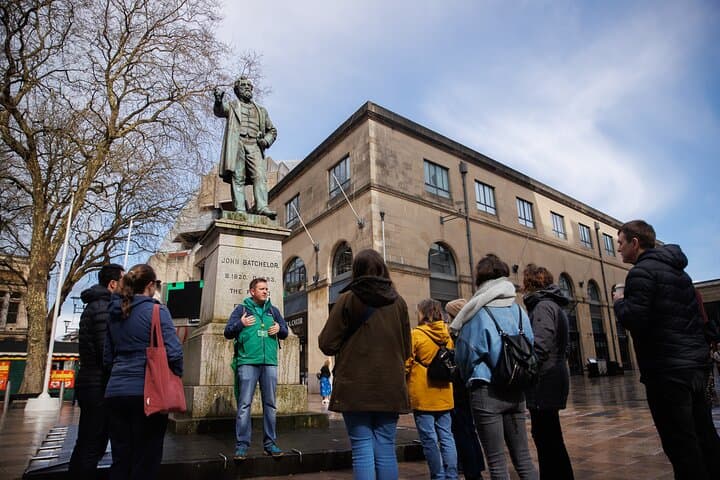
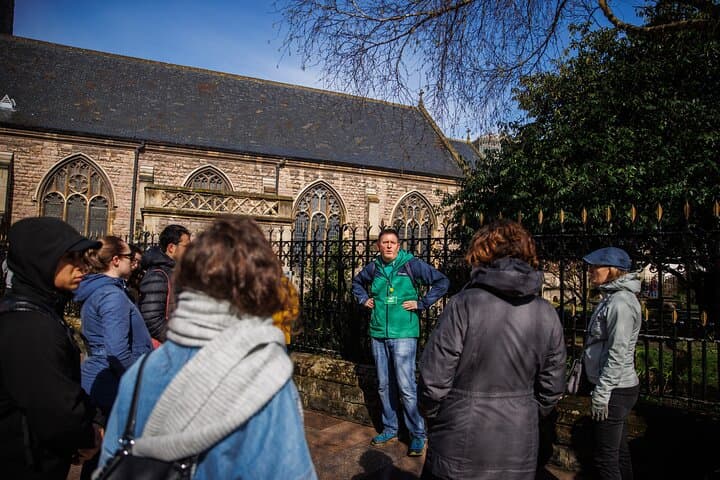
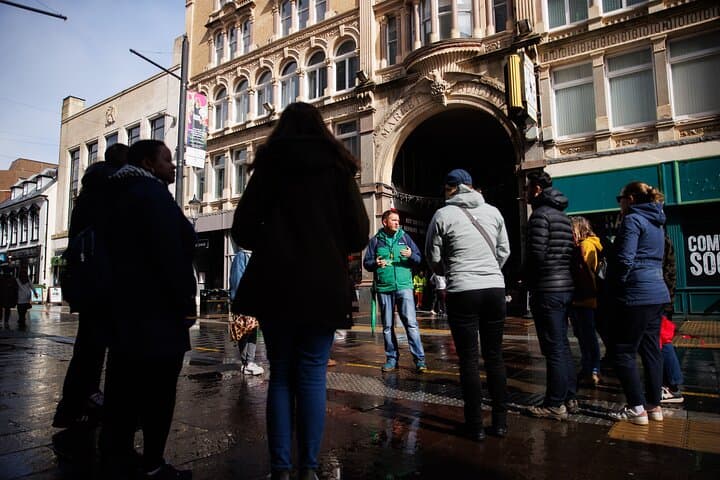
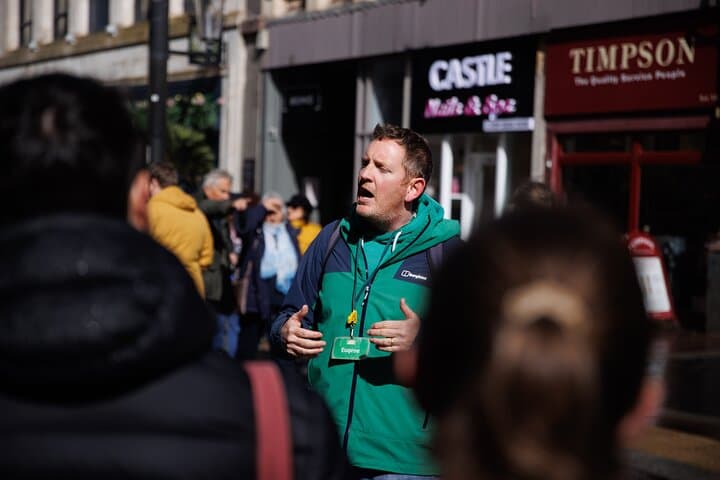
You step out from Cardiff’s bright high street into a cooler, quieter version of the city — cobbles underfoot, shopfronts that once flanked courts and back-to-back housing. The guide’s voice lowers as they point to a plain façade; beneath its modern windows lie stories of disease, executions and economic hardship that shaped the town.
You step out from Cardiff’s bright high street into a cooler, quieter version of the city — cobbles underfoot, shopfronts that once flanked courts and back-to-back housing. The guide’s voice lowers as they point to a plain façade; beneath its modern windows lie stories of disease, executions and economic hardship that shaped the town.
The two-hour route threads through central Cardiff: past the market where traders replaced older yards of poverty, along Womanby Street with its thousand-year name linked to Norse settlement, and circling the great bulk of Cardiff Castle — once a prison and the site of public punishments. Geology here is subtle: reclaimed marshland at the mouth of the Taff shaped the medieval port and later the coal-export boom that transformed Cardiff into a Victorian powerhouse under the Bute family.
Culturally the tour exposes how rapid industrialization and immigration remade social life, creating enclaves remembered for crime and poverty alongside craft and commerce. Guides often point out surviving architectural threads — chapel sites, old cellars, and graveyards tucked behind later façades.
Practical info: the walk is flat and fully accessible, lasting about two hours with frequent stops. Wear reliable shoes for cobbles and variable weather — Cardiff rain can arrive without warning. Bring a reusable water bottle and a charged phone for photos; respect graveyard signage and private property. Tours run year-round; evening bookings add atmosphere but can be chillier. The tour suits anyone comfortable with urban walking and interested in history, folklore and darker civic stories.