THE ADVENTURE COLLECTIVE® · Independent discovery and booking for outdoor travel

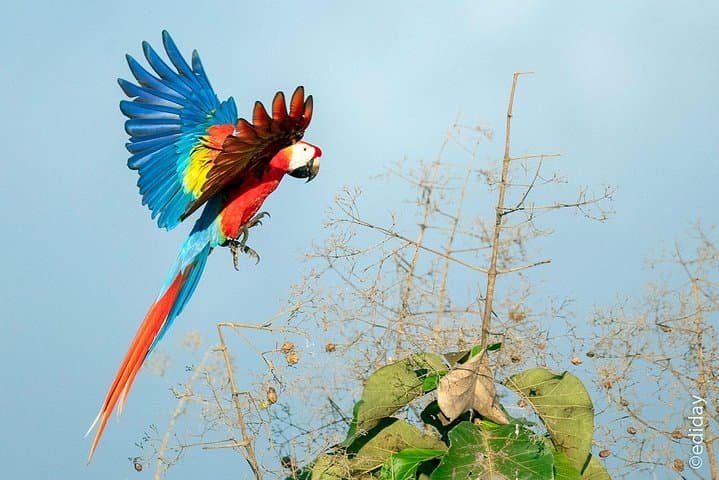
A full-day combination of guided rainforest walking in Carara National Park and afternoon Pacific coast beach time. Morning wildlife viewing (crocodiles at Tarcoles bridge, scarlet macaws in the canopy) and flexible beach options make this an accessible San José departure.
A full-day combination of guided rainforest walking in Carara National Park and afternoon Pacific coast beach time. Morning wildlife viewing (crocodiles at Tarcoles bridge, scarlet macaws in the canopy) and flexible beach options make this an accessible San José departure.
You step off the van into humid air that smells of salt and leaf mold; parrots cut the sky in bright, scandalous lines and a river below the bridge waits, tailing crocodiles like weathered logs. The tour begins with pickup in San José and a short breakfast stop at the Tarcoles bridge where the estuary often puts on a crocodile show — a practical, early-morning curtain-raiser before the forest walk.
Verified experiences and guided adventures in the surrounding area.
Operated by Natúa Travel · Tárcoles, Puntarenas
You step off the van into humid air that smells of salt and leaf mold; parrots cut the sky in bright, scandalous lines and a river below the bridge waits, tailing crocodiles like weathered logs. The tour begins with pickup in San José and a short breakfast stop at the Tarcoles bridge where the estuary often puts on a crocodile show — a practical, early-morning curtain-raiser before the forest walk.
Carara sits on the ecological edge between Costa Rica’s dry northern forests and the wet Pacific lowlands, a geological meeting zone of alluvial plains, mangrove channels and low hills. Protected since the late 1970s to preserve scarlet macaw habitat, the park blends cultural ties to coastal fishing communities with a conservation focus: visitors learn from ICT-certified local guides while walking compact trails through secondary rainforest and gallery forest.
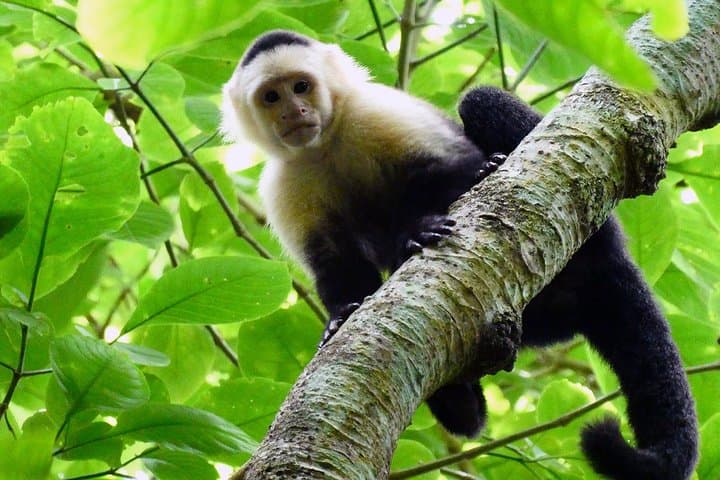
Expect two hours of guided walking on mostly flat, sometimes muddy paths with dense undergrowth, followed by free time at nearby Pacific beaches — choices range from small, undeveloped sandbanks to beach towns with restaurants and cocktails. Wildlife encounters are common: macaws tear through canopy, capuchins inspect packs, and shorebirds patrol tidal pools. The mangroves will hold the tide like a slow breath; the river will dare you to look away.
Practical guidance: wear sturdy shoes and insect repellent, bring water and sun protection, and plan for early departures to catch morning wildlife. Avoid swimming near estuary mouths where crocodiles congregate. The tour is customizable and family-friendly, with hotel pickup and breakfast included, entrance and guide covered — a compact, wildlife-forward Pacific day from San José.
easy.
8–10 hours.
Suitable for most fitness levels; walking is low-grade but involves uneven, sometimes muddy terrain for about 2 hours
The guided walk is approximately two hours on relatively flat trails, led by an ICT-certified local guide.
Crocodiles are commonly seen from the Tarcoles bridge during the breakfast stop; scarlet macaws and monkeys are frequently encountered on the park trail but sightings cannot be guaranteed.
Yes, pickup from hotels in San José is included and the tour returns you to your hotel at the end of the day.
Yes — the afternoon is flexible. You can opt for a beach with restaurants and services or a quieter, less developed beach depending on your preference.
Carara was set aside in the late 20th century to protect a rare transitional forest and the region’s scarlet macaw population, bridging dry and wet Pacific ecosystems.
The park is vulnerable to coastal development and habitat fragmentation; staying on trails, not feeding wildlife and minimizing waste helps protect the area.
Natúa Travel operates guided outdoor trips and adventures with an emphasis on safety, stewardship, and memorable experiences.
You step off the van into humid air that smells of salt and leaf mold; parrots cut the sky in bright, scandalous lines and a river below the bridge waits, tailing crocodiles like weathered logs. The tour begins with pickup in San José and a short breakfast stop at the Tarcoles bridge where the estuary often puts on a crocodile show — a practical, early-morning curtain-raiser before the forest walk.
You step off the van into humid air that smells of salt and leaf mold; parrots cut the sky in bright, scandalous lines and a river below the bridge waits, tailing crocodiles like weathered logs. The tour begins with pickup in San José and a short breakfast stop at the Tarcoles bridge where the estuary often puts on a crocodile show — a practical, early-morning curtain-raiser before the forest walk.
Carara sits on the ecological edge between Costa Rica’s dry northern forests and the wet Pacific lowlands, a geological meeting zone of alluvial plains, mangrove channels and low hills. Protected since the late 1970s to preserve scarlet macaw habitat, the park blends cultural ties to coastal fishing communities with a conservation focus: visitors learn from ICT-certified local guides while walking compact trails through secondary rainforest and gallery forest.
Expect two hours of guided walking on mostly flat, sometimes muddy paths with dense undergrowth, followed by free time at nearby Pacific beaches — choices range from small, undeveloped sandbanks to beach towns with restaurants and cocktails. Wildlife encounters are common: macaws tear through canopy, capuchins inspect packs, and shorebirds patrol tidal pools. The mangroves will hold the tide like a slow breath; the river will dare you to look away.
Practical guidance: wear sturdy shoes and insect repellent, bring water and sun protection, and plan for early departures to catch morning wildlife. Avoid swimming near estuary mouths where crocodiles congregate. The tour is customizable and family-friendly, with hotel pickup and breakfast included, entrance and guide covered — a compact, wildlife-forward Pacific day from San José.