THE ADVENTURE COLLECTIVE® · Independent discovery and booking for outdoor travel

A short, wildlife-rich loop through Costa Rica’s unique transitional forest where humid- and dry-forest species meet. Ideal for birders and half-day visitors traveling from Jaco or Manuel Antonio.
A short, wildlife-rich loop through Costa Rica’s unique transitional forest where humid- and dry-forest species meet. Ideal for birders and half-day visitors traveling from Jaco or Manuel Antonio.
You step off Route 34 and the humidity inhales you; the transitional forest of Carara closes around the trail like a living wall, palms and ceiba trees leaning in to watch. A narrow boardwalk and packed-earth paths thread 0.8 miles through a forest where dry-forest species meet those of the humid Pacific—scarlet macaws call from high branches while streams below dare you to keep scanning the leaf litter.
Verified experiences and guided adventures in the surrounding area.
Operated by Tico Paradise Costa Rica · Tárcoles, Puntarenas
You step off Route 34 and the humidity inhales you; the transitional forest of Carara closes around the trail like a living wall, palms and ceiba trees leaning in to watch. A narrow boardwalk and packed-earth paths thread 0.8 miles through a forest where dry-forest species meet those of the humid Pacific—scarlet macaws call from high branches while streams below dare you to keep scanning the leaf litter.
Carara, which in the Huetar language means “River of Lizards,” sits on the Central Pacific lowlands where geological shifts left a mosaic of soils and microhabitats. That intersection produces more than 360 bird species and a string of mammals—from coatis to the occasional puma—plus reptiles such as Bothrops asper and estuarine crocodiles in riparian zones.
Culturally the park is a local hub for birders and school groups from Puntarenas province; its easy access from San José, Jaco and Manuel Antonio makes it a popular half-day stop. The main loop is short (0.8 miles) and largely flat with universal-access sections, so the experience centers on observation rather than endurance.
Practical guidance: bring binoculars and quiet shoes, plan for heat and mosquitoes, and confirm your mobile ticket code by WhatsApp or email the day before—staff require the code for entry. Avoid off-trail wandering; keep distance from wildlife and rivers. A morning visit increases bird activity and light for photography, while afternoons are warmer and wetter. With preparation, Carara delivers concentrated biodiversity in a single, accessible loop.
easy.
1–2 hours.
Suitable for all fitness levels; short, mostly flat loop with universal-access sections.
The primary loop is approximately 0.8 miles and typically takes 60–90 minutes depending on stops for wildlife viewing.
Yes—this listing requires you to request an admission code via WhatsApp or email the day before; bring the code for entry.
Yes; sections of the trail offer universal access and the loop is short, but expect uneven surfaces in spots.
Not necessary—many species are visible from the trail—but hiring a local guide increases sightings, especially for birds.
Carara sits on lands historically used by Huetar-speaking people; the park’s name means “River of Lizards” and reflects long-standing local relationships with the landscape.
The park protects a rare transitional forest type important for migratory and resident species; visitors should stay on trails and avoid feeding wildlife to minimize impact.
Tico Paradise Costa Rica operates guided outdoor trips and adventures with an emphasis on safety, stewardship, and memorable experiences.
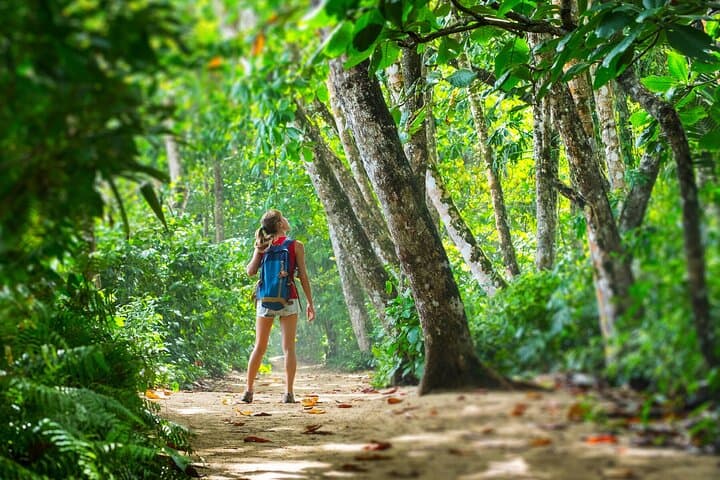

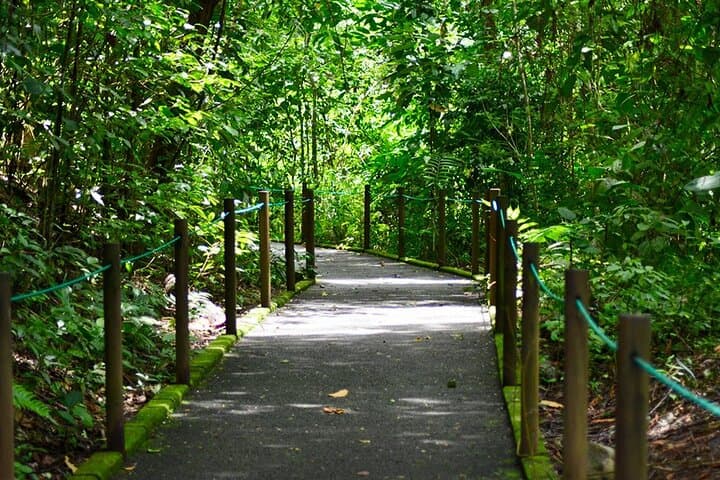
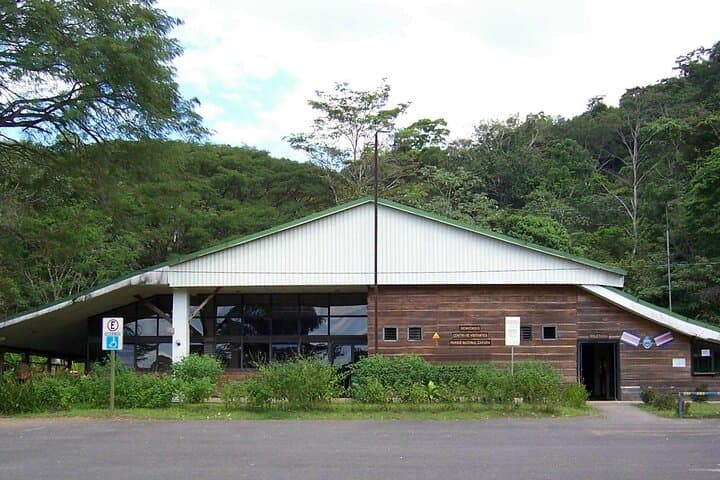
You step off Route 34 and the humidity inhales you; the transitional forest of Carara closes around the trail like a living wall, palms and ceiba trees leaning in to watch. A narrow boardwalk and packed-earth paths thread 0.8 miles through a forest where dry-forest species meet those of the humid Pacific—scarlet macaws call from high branches while streams below dare you to keep scanning the leaf litter.
You step off Route 34 and the humidity inhales you; the transitional forest of Carara closes around the trail like a living wall, palms and ceiba trees leaning in to watch. A narrow boardwalk and packed-earth paths thread 0.8 miles through a forest where dry-forest species meet those of the humid Pacific—scarlet macaws call from high branches while streams below dare you to keep scanning the leaf litter.
Carara, which in the Huetar language means “River of Lizards,” sits on the Central Pacific lowlands where geological shifts left a mosaic of soils and microhabitats. That intersection produces more than 360 bird species and a string of mammals—from coatis to the occasional puma—plus reptiles such as Bothrops asper and estuarine crocodiles in riparian zones.
Culturally the park is a local hub for birders and school groups from Puntarenas province; its easy access from San José, Jaco and Manuel Antonio makes it a popular half-day stop. The main loop is short (0.8 miles) and largely flat with universal-access sections, so the experience centers on observation rather than endurance.
Practical guidance: bring binoculars and quiet shoes, plan for heat and mosquitoes, and confirm your mobile ticket code by WhatsApp or email the day before—staff require the code for entry. Avoid off-trail wandering; keep distance from wildlife and rivers. A morning visit increases bird activity and light for photography, while afternoons are warmer and wetter. With preparation, Carara delivers concentrated biodiversity in a single, accessible loop.