THE ADVENTURE COLLECTIVE® · Independent discovery and booking for outdoor travel

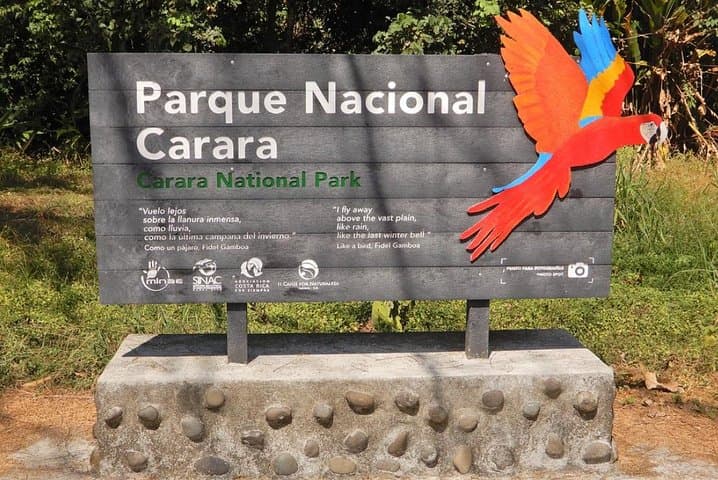
Start your day before sunrise at Carara National Park, where transitional Pacific forest concentrates birds from two ecosystems. This guided group tour focuses on patient, strategic viewing—scarlet macaws, trogons, motmots, and more—with expert guides and spotting scopes to help you score lifers.
Start your day before sunrise at Carara National Park, where transitional Pacific forest concentrates birds from two ecosystems. This guided group tour focuses on patient, strategic viewing—scarlet macaws, trogons, motmots, and more—with expert guides and spotting scopes to help you score lifers.
The morning arrives humid and bright as the bus eases toward the park entrance, mangroves and secondary forest sliding by like pages in a field guide. Birdsong layers over the engine—motmots announcing themselves with rattling calls, toucans flashing like punctuation—and the guide's voice points the way: slow, deliberate, attuned.
Verified experiences and guided adventures in the surrounding area.
Operated by Costa Rica Wáköö Tours · Tárcoles, Puntarenas
The morning arrives humid and bright as the bus eases toward the park entrance, mangroves and secondary forest sliding by like pages in a field guide. Birdsong layers over the engine—motmots announcing themselves with rattling calls, toucans flashing like punctuation—and the guide's voice points the way: slow, deliberate, attuned.
Carara sits at the ecological crossroads of Costa Rica's Pacific lowlands, where dry-forest species meet humid-forest residents. That transitional geology—coastal plains giving way to river-cut gullies—creates concentrated feeding corridors that attract high bird diversity. The park was protected in the late 20th century to preserve one of the last substantial tracts of Pacific dry forest and the river systems that feed the Gulf of Nicoya.
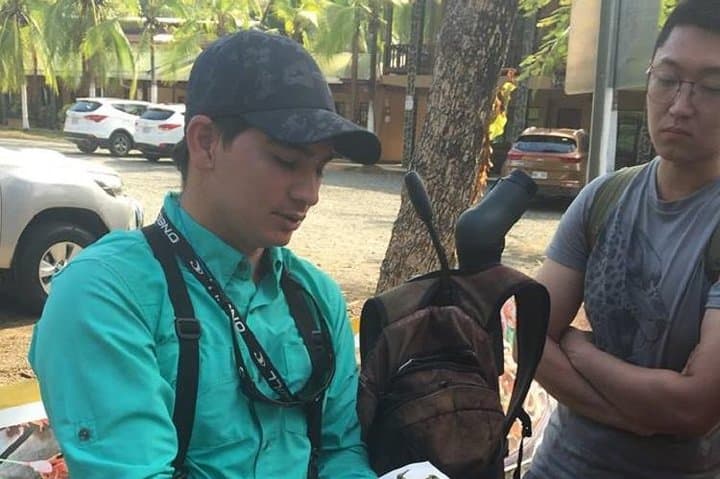
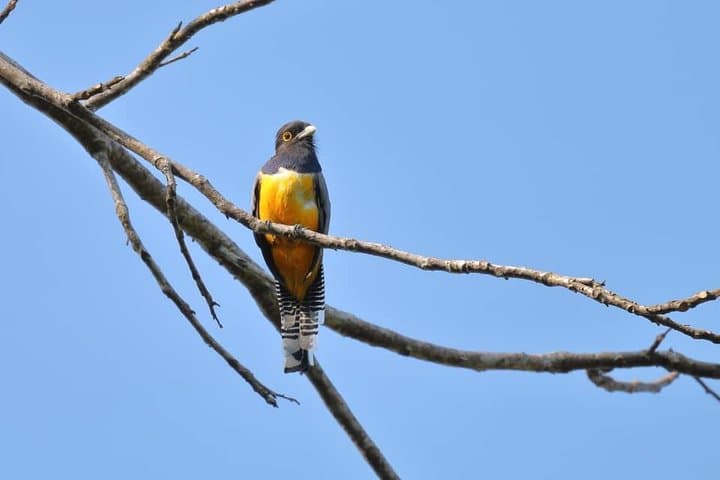
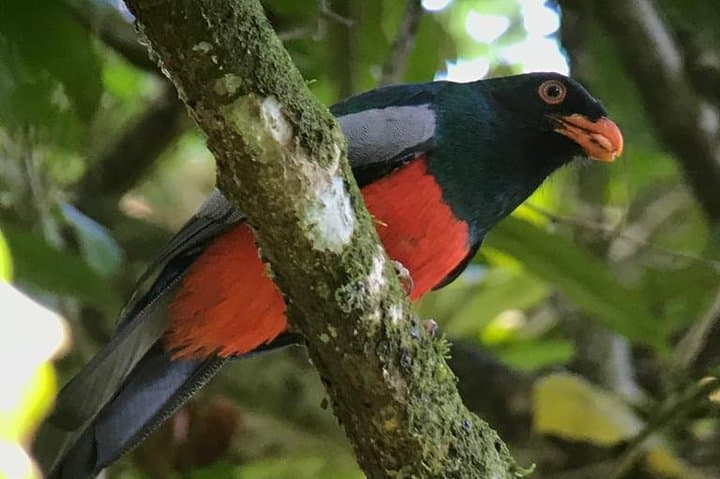
Expect a day of patient, paced searching rather than a sprint: strategic roadside stops, short forest loops, and a staffed spotting scope (Swarovski optics are reported on many group tours) for distant canopy views. Highlights commonly include scarlet macaws in the canopy, trogons and colorful kingfishers, plus the chatter of white-faced capuchins.
Practical edge: tours typically start before sunrise to use the cool, active hours; carry layered clothing, insect repellent, and a daypack with water. Guides handle logistics and park admission; photographers should bring a telephoto lens but remember the group pace and light constraints.
Carara rewards patience—stand still long enough and the forest will name itself to you, one call at a time. Be prepared for hot, humid conditions and for wildlife sightings that are exciting but never guaranteed.
moderate.
8 hours.
Suitable for travelers in light to moderate fitness; involves walking on flat to uneven forest trails for several hours with frequent stops.
Yes; the tour price includes park admission according to the operator's inclusions.
Scarlet macaws are commonly seen in Carara but wildlife sightings cannot be guaranteed; guides use local knowledge to increase chances.
Pickups typically start around 4:30 AM from Quepos or Manuel Antonio—final pickup details are confirmed after booking.
Yes; the tour is designed for all skill levels with guides providing identification tips and assistance throughout.
Protected beginning in the late 20th century to conserve a rare pocket of Pacific dry forest and the river corridors feeding the Gulf of Nicoya.
Carara faces pressure from surrounding development and fragmented habitat; staying on trails, using local licensed guides, and following park rules helps reduce visitor impact.
Costa Rica Wáköö Tours operates guided outdoor trips and adventures with an emphasis on safety, stewardship, and memorable experiences.
The morning arrives humid and bright as the bus eases toward the park entrance, mangroves and secondary forest sliding by like pages in a field guide. Birdsong layers over the engine—motmots announcing themselves with rattling calls, toucans flashing like punctuation—and the guide's voice points the way: slow, deliberate, attuned.
The morning arrives humid and bright as the bus eases toward the park entrance, mangroves and secondary forest sliding by like pages in a field guide. Birdsong layers over the engine—motmots announcing themselves with rattling calls, toucans flashing like punctuation—and the guide's voice points the way: slow, deliberate, attuned.
Carara sits at the ecological crossroads of Costa Rica's Pacific lowlands, where dry-forest species meet humid-forest residents. That transitional geology—coastal plains giving way to river-cut gullies—creates concentrated feeding corridors that attract high bird diversity. The park was protected in the late 20th century to preserve one of the last substantial tracts of Pacific dry forest and the river systems that feed the Gulf of Nicoya.
Expect a day of patient, paced searching rather than a sprint: strategic roadside stops, short forest loops, and a staffed spotting scope (Swarovski optics are reported on many group tours) for distant canopy views. Highlights commonly include scarlet macaws in the canopy, trogons and colorful kingfishers, plus the chatter of white-faced capuchins.
Practical edge: tours typically start before sunrise to use the cool, active hours; carry layered clothing, insect repellent, and a daypack with water. Guides handle logistics and park admission; photographers should bring a telephoto lens but remember the group pace and light constraints.
Carara rewards patience—stand still long enough and the forest will name itself to you, one call at a time. Be prepared for hot, humid conditions and for wildlife sightings that are exciting but never guaranteed.