THE ADVENTURE COLLECTIVE® · Independent discovery and booking for outdoor travel

Travel up the Pan‑American Highway to the Supe Valley and explore Caral, the oldest urban center in the Americas. This full‑day private tour from Lima combines coastal vistas, guided archaeology, and a local lunch for a compact but revealing cultural journey.
Travel up the Pan‑American Highway to the Supe Valley and explore Caral, the oldest urban center in the Americas. This full‑day private tour from Lima combines coastal vistas, guided archaeology, and a local lunch for a compact but revealing cultural journey.
You arrive before the heat, the Pacific air lacing the long Pan‑American strip as the highway unfurls toward the Supe Valley. The landscape opens into low scrub and pale earth; at Caral the desert seems to lean in, listening. Walking across the plaza, the monumental stepped platforms read like a map of early civic life — plazas, circular altars, and an amphitheater that still holds the hush of ritual.
Verified experiences and guided adventures in the surrounding area.
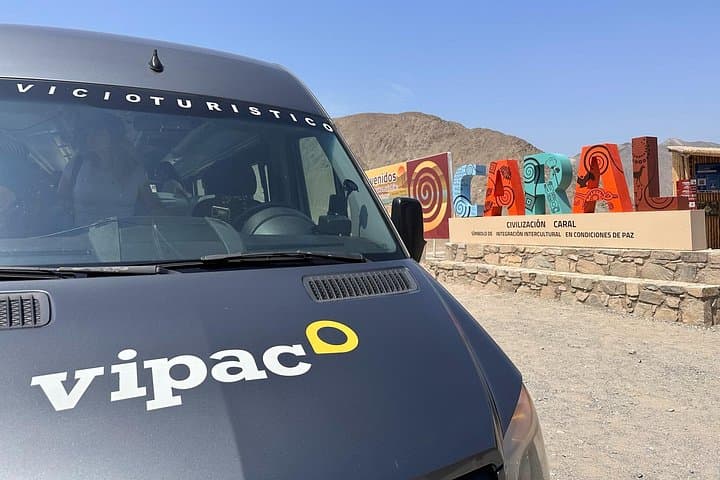
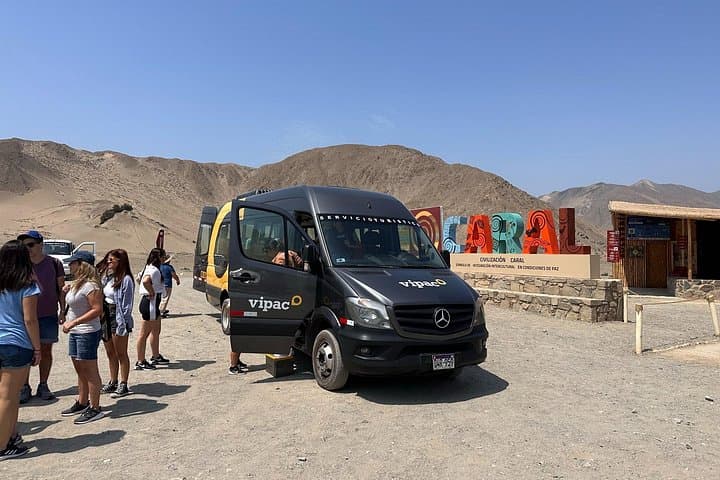
Operated by VIPAC Travel · Supe, Lima Region
You arrive before the heat, the Pacific air lacing the long Pan‑American strip as the highway unfurls toward the Supe Valley. The landscape opens into low scrub and pale earth; at Caral the desert seems to lean in, listening. Walking across the plaza, the monumental stepped platforms read like a map of early civic life — plazas, circular altars, and an amphitheater that still holds the hush of ritual.
Caral dates to roughly 3000–1800 BCE and is widely regarded as the oldest urban center in the Americas. The site sits on alluvial terraces where simple irrigation, trade with coastal fisheries, and textile production supported a complex society long before ceramics dominated the region. The ruins reveal urban planning, communal spaces, and architectural features that changed perceptions of preceramic coastal Peru.
Local culture today is tied to the Supe Valley’s fishing towns and small markets; lunch at a nearby restaurant often turns into a lesson in ceviche and coastal produce. Geologically, the site is set on river sediments deposited by a narrow river system that shaped arable pockets in an otherwise arid strip.
Practical guidance: this is a full‑day, private tour from Lima with air‑conditioned transport and included admission. Expect several short walks on packed earth and stone; wear sturdy shoes and sun protection, and carry a refillable water bottle. Mornings are cooler and clearer for photography; afternoons can be windy. Bring small cash for local purchases and arrive ready to follow the guide’s route to protect fragile structures. With thoughtful pacing, Caral offers a rare encounter with the roots of Andean civilization.
easy.
12 hours.
Suitable for most fitness levels; involves several short, flat to gently sloped walks over uneven packed-earth and stone surfaces.
Yes, admission to the Caral archaeological site is included with this tour.
The drive to the Supe Valley is about 2–3 hours each way depending on traffic along the Pan‑American Highway; expect a full 12‑hour day.
Yes; the tour is rated easy and appropriate for most ages, though mobility-limited guests should note there is walking on uneven ground.
Lunch and bottled water are included; bringing a refillable bottle is recommended to reduce plastic waste.
Caral is one of the earliest known urban settlements in the Americas, occupied around 3000–1800 BCE and designated a UNESCO World Heritage Site for its age and complex urban planning.
The site is vulnerable to erosion and visitor impact; visitors are asked to follow paths, avoid touching masonry, and support local preservation efforts by following guide instructions.
VIPAC Travel operates guided outdoor trips and adventures with an emphasis on safety, stewardship, and memorable experiences.
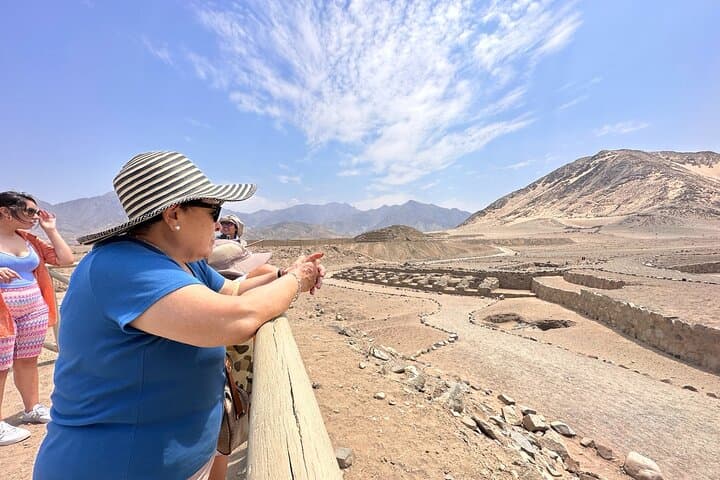
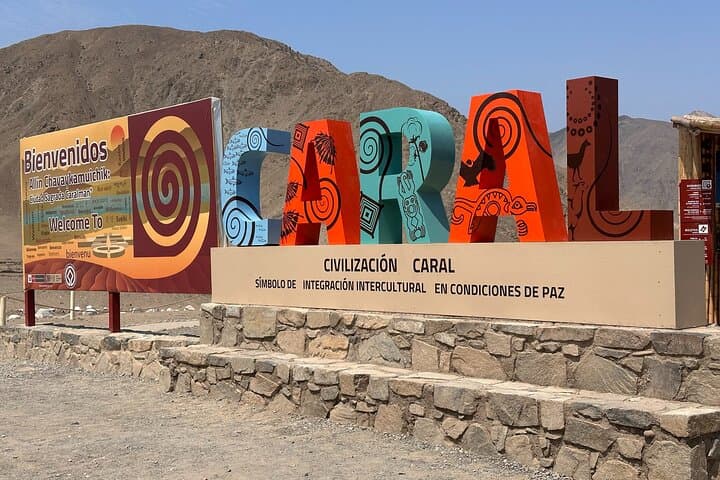
You arrive before the heat, the Pacific air lacing the long Pan‑American strip as the highway unfurls toward the Supe Valley. The landscape opens into low scrub and pale earth; at Caral the desert seems to lean in, listening. Walking across the plaza, the monumental stepped platforms read like a map of early civic life — plazas, circular altars, and an amphitheater that still holds the hush of ritual.
You arrive before the heat, the Pacific air lacing the long Pan‑American strip as the highway unfurls toward the Supe Valley. The landscape opens into low scrub and pale earth; at Caral the desert seems to lean in, listening. Walking across the plaza, the monumental stepped platforms read like a map of early civic life — plazas, circular altars, and an amphitheater that still holds the hush of ritual.
Caral dates to roughly 3000–1800 BCE and is widely regarded as the oldest urban center in the Americas. The site sits on alluvial terraces where simple irrigation, trade with coastal fisheries, and textile production supported a complex society long before ceramics dominated the region. The ruins reveal urban planning, communal spaces, and architectural features that changed perceptions of preceramic coastal Peru.
Local culture today is tied to the Supe Valley’s fishing towns and small markets; lunch at a nearby restaurant often turns into a lesson in ceviche and coastal produce. Geologically, the site is set on river sediments deposited by a narrow river system that shaped arable pockets in an otherwise arid strip.
Practical guidance: this is a full‑day, private tour from Lima with air‑conditioned transport and included admission. Expect several short walks on packed earth and stone; wear sturdy shoes and sun protection, and carry a refillable water bottle. Mornings are cooler and clearer for photography; afternoons can be windy. Bring small cash for local purchases and arrive ready to follow the guide’s route to protect fragile structures. With thoughtful pacing, Caral offers a rare encounter with the roots of Andean civilization.