THE ADVENTURE COLLECTIVE® · Independent discovery and booking for outdoor travel

Travel back to 2600 BCE at Caral, one of the oldest cities in the Americas, then contrast ancient stone platforms with the living wetlands of the Half‑World Lagoons. This full‑day tour from Lima combines archaeology, dry‑valley geology and coastal birdlife.
Travel back to 2600 BCE at Caral, one of the oldest cities in the Americas, then contrast ancient stone platforms with the living wetlands of the Half‑World Lagoons. This full‑day tour from Lima combines archaeology, dry‑valley geology and coastal birdlife.
The bus rolls north under a wide, dry sky and the Supe Valley opens like a folded map, dusted with scrub and the pale shapes of ancient platforms. By the time you crest the approach to Caral, the heat and light seem to outline stepped pyramids against the horizon; they watch you as much as you watch them.
Verified experiences and guided adventures in the surrounding area.
Operated by America Viajes · Supe, Lima Region
The bus rolls north under a wide, dry sky and the Supe Valley opens like a folded map, dusted with scrub and the pale shapes of ancient platforms. By the time you crest the approach to Caral, the heat and light seem to outline stepped pyramids against the horizon; they watch you as much as you watch them.
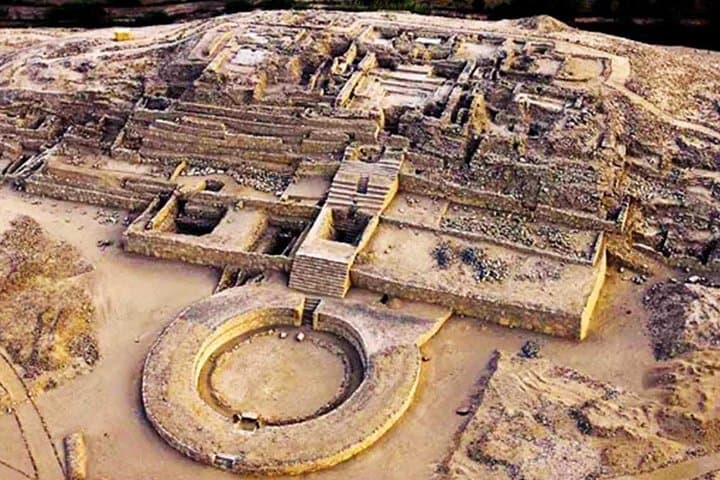
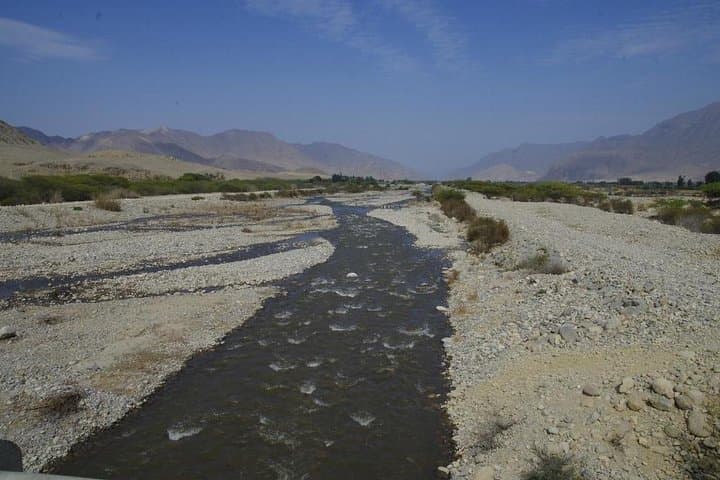
Caral is one of the oldest urban centers in the Americas, occupied between roughly 2600–2000 BCE. This preceramic city lacks the pottery of later cultures but compensates with vast plazas, sunken courts and monumental platforms that speak to organized labor, trade and ritual life. Geologically the site sits on fluvial terraces of the Fortaleza River; clay and alluvial deposits preserved architecture and organic remains in the arid climate.
After the guided circuit among temples and plazas, the tour shifts to the Half-World Lagoons — a quieter ecological band of reed beds and saline pools where migratory birds and desert-adapted plants claim pockets of water. Local culture today blends fishing and small-scale agriculture; guides often point out modern hamlets built along ancient corridors of exchange.
Practical notes: expect uneven packed-earth trails and some steep steps on pyramids; the visit involves light to moderate walking. The full excursion is a long day from Lima (about 12 hours round-trip), with roughly 3 hours each way by vehicle and 4–5 hours on site and lagoons combined. Bring sun protection, at least 2 liters of water, cash for lunch and a camera with spare battery — charging options are limited. Early starts beat heat and crowds, and you’ll find layers useful for coastal mornings that warm sharply by noon.
easy.
12 hours.
Suitable for travelers in average physical shape; involves several hours of walking on uneven ground and steps.
Yes — the tour includes the ticket to the archaeological site as part of the itinerary.
Expect about a 3‑hour drive each way from central Lima, depending on traffic and pickup points.
Basic restroom facilities are available; lunch is planned at a nearby restaurant and is not included in the tour price.
The tour is rated as physically easy but involves uneven ground and steps; it's suitable for children but may be challenging for those with significant mobility limitations.
Caral is a preceramic urban complex dated to the third millennium BCE; scholars consider it among the earliest examples of centralized urban planning in the Americas.
The arid Supe Valley is ecologically sensitive; visitors should stick to marked paths, avoid disturbing reed beds at the lagoons and carry out waste to reduce impact.
America Viajes operates guided outdoor trips and adventures with an emphasis on safety, stewardship, and memorable experiences.
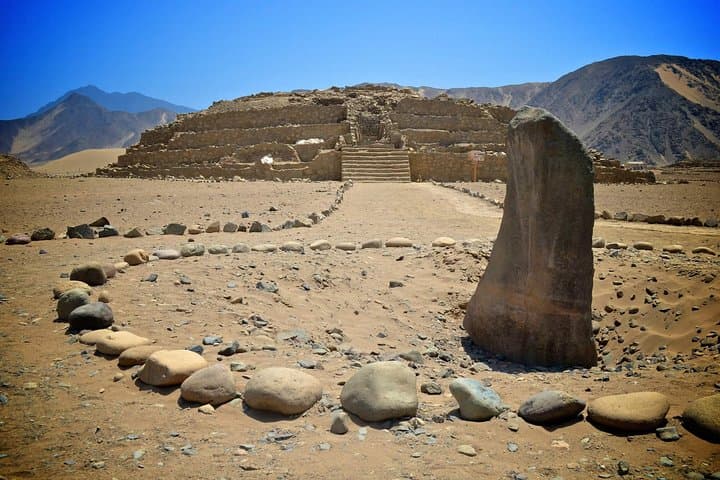
The bus rolls north under a wide, dry sky and the Supe Valley opens like a folded map, dusted with scrub and the pale shapes of ancient platforms. By the time you crest the approach to Caral, the heat and light seem to outline stepped pyramids against the horizon; they watch you as much as you watch them.
The bus rolls north under a wide, dry sky and the Supe Valley opens like a folded map, dusted with scrub and the pale shapes of ancient platforms. By the time you crest the approach to Caral, the heat and light seem to outline stepped pyramids against the horizon; they watch you as much as you watch them.
Caral is one of the oldest urban centers in the Americas, occupied between roughly 2600–2000 BCE. This preceramic city lacks the pottery of later cultures but compensates with vast plazas, sunken courts and monumental platforms that speak to organized labor, trade and ritual life. Geologically the site sits on fluvial terraces of the Fortaleza River; clay and alluvial deposits preserved architecture and organic remains in the arid climate.
After the guided circuit among temples and plazas, the tour shifts to the Half-World Lagoons — a quieter ecological band of reed beds and saline pools where migratory birds and desert-adapted plants claim pockets of water. Local culture today blends fishing and small-scale agriculture; guides often point out modern hamlets built along ancient corridors of exchange.
Practical notes: expect uneven packed-earth trails and some steep steps on pyramids; the visit involves light to moderate walking. The full excursion is a long day from Lima (about 12 hours round-trip), with roughly 3 hours each way by vehicle and 4–5 hours on site and lagoons combined. Bring sun protection, at least 2 liters of water, cash for lunch and a camera with spare battery — charging options are limited. Early starts beat heat and crowds, and you’ll find layers useful for coastal mornings that warm sharply by noon.