THE ADVENTURE COLLECTIVE® · Independent discovery and booking for outdoor travel

Descend into the Capuchin Crypt and then walk the glamorous sweep of Via Veneto to Piazza del Popolo on a focused small-group tour. Expect art, history, and a mindful contrast between Rome’s intimate religious spaces and its public grandeur.
Descend into the Capuchin Crypt and then walk the glamorous sweep of Via Veneto to Piazza del Popolo on a focused small-group tour. Expect art, history, and a mindful contrast between Rome’s intimate religious spaces and its public grandeur.
You step down from the sunlight of Via Veneto into a cool, hushed corridor where bone and stone rearrange how the city speaks of time.
Verified experiences and guided adventures in the surrounding area.
Operated by Rome Tours · Rome, Lazio
You step down from the sunlight of Via Veneto into a cool, hushed corridor where bone and stone rearrange how the city speaks of time.
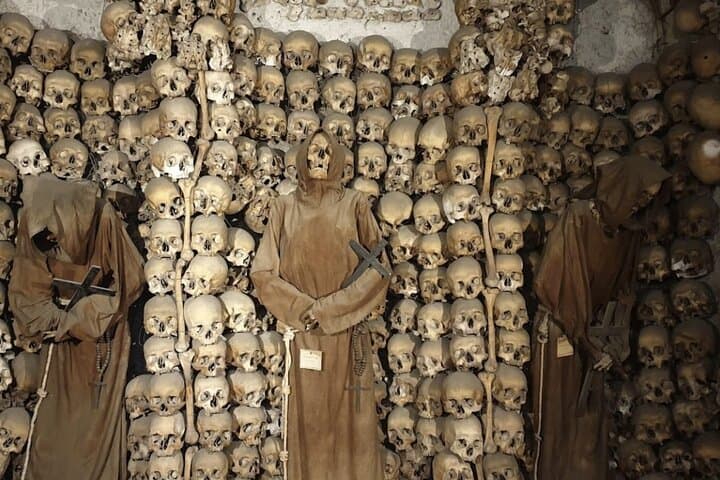
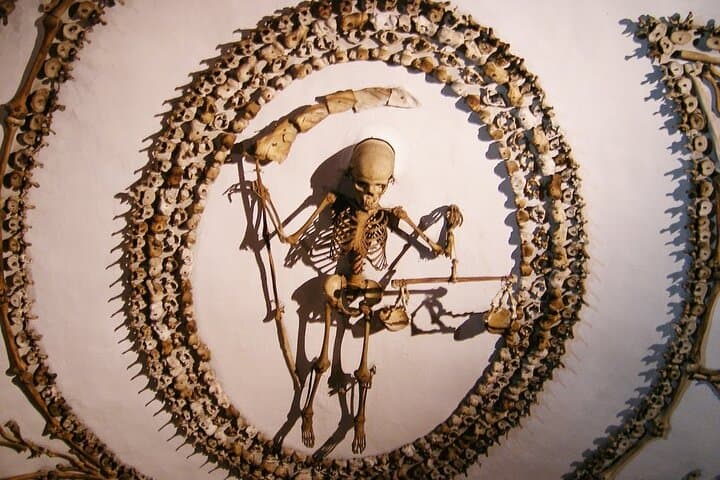
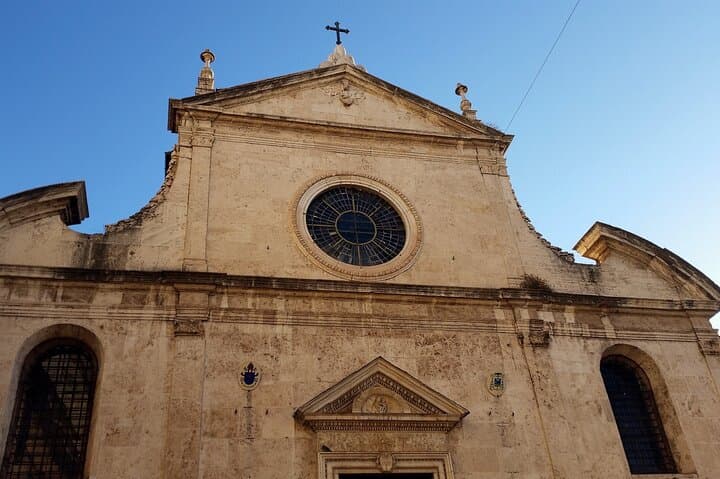
The Capuchin Crypt, tucked beneath the Church of Santa Maria della Concezione dei Cappuccini, opens with an immediate, tactile sense of history: bone-chandeliers, collarbones framing altars, and skulls carefully composited into patterns that force a pause. From there the tour lifts you back into Rome’s daylight—strolling Via Veneto’s grand facades, then arriving at Piazza del Popolo, whose broad oval was once the northern gateway for pilgrims arriving along the Via Flaminia.
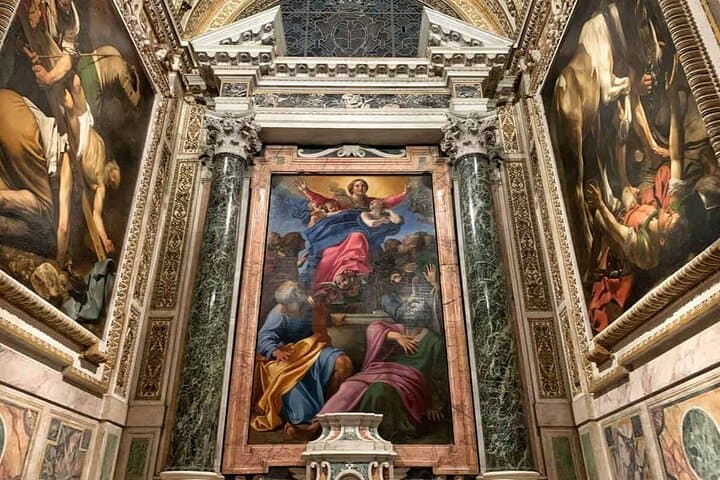
This route threads Renaissance and Baroque history with quieter religious practice. The crypt itself dates to the 16th–19th centuries and reflects the Capuchin friars’ memento mori tradition; nearby churches in the piazza contain works by Caravaggio and Raphael that anchor Rome’s artistic pedigree. The stones underfoot are ancient—travertine and basalt that have borne carriages, tram tracks, and modern footsteps.
Practical guidance: allow three hours, wear sturdy shoes for cobbled streets and several staircases, and expect dim lighting in the crypt; photography is restricted. The tour operates at an easy pace but includes standing time inside chapels and up to a dozen participants in shared groups. Public transit access is straightforward from central Rome, but keep valuables secure in crowded squares. A short jaunt to the Pincio Terrace or a coffee on Via Margutta makes a fitting end to an afternoon that balances somber reflection with the bright architectural sweep of the Eternal City.
easy.
3 hours.
Suitable for most fitness levels; requires standing and walking on uneven paving and stairs.
Yes—the Capuchin Crypt admission is included as listed in the tour inclusions.
The content is somber and may be unsettling for very young children; families with older children can usually participate.
Meeting instructions are provided on booking—most start points are along Via Veneto or a closely marked central meeting location; arrive 10 minutes early.
Photography is generally restricted inside the crypt; follow your guide’s instructions and respect signage.
The Capuchin Crypt was arranged by Capuchin friars between the 16th and 19th centuries as a meditation on mortality, using the remains of friars as symbolic reminders of life’s brevity.
Visitors are asked to respect fragile interiors—avoid touching artwork, comply with photography bans, and stay on designated paths to reduce wear on historic flooring.
Rome Tours operates guided outdoor trips and adventures with an emphasis on safety, stewardship, and memorable experiences.
You step down from the sunlight of Via Veneto into a cool, hushed corridor where bone and stone rearrange how the city speaks of time.
You step down from the sunlight of Via Veneto into a cool, hushed corridor where bone and stone rearrange how the city speaks of time.
The Capuchin Crypt, tucked beneath the Church of Santa Maria della Concezione dei Cappuccini, opens with an immediate, tactile sense of history: bone-chandeliers, collarbones framing altars, and skulls carefully composited into patterns that force a pause. From there the tour lifts you back into Rome’s daylight—strolling Via Veneto’s grand facades, then arriving at Piazza del Popolo, whose broad oval was once the northern gateway for pilgrims arriving along the Via Flaminia.
This route threads Renaissance and Baroque history with quieter religious practice. The crypt itself dates to the 16th–19th centuries and reflects the Capuchin friars’ memento mori tradition; nearby churches in the piazza contain works by Caravaggio and Raphael that anchor Rome’s artistic pedigree. The stones underfoot are ancient—travertine and basalt that have borne carriages, tram tracks, and modern footsteps.
Practical guidance: allow three hours, wear sturdy shoes for cobbled streets and several staircases, and expect dim lighting in the crypt; photography is restricted. The tour operates at an easy pace but includes standing time inside chapels and up to a dozen participants in shared groups. Public transit access is straightforward from central Rome, but keep valuables secure in crowded squares. A short jaunt to the Pincio Terrace or a coffee on Via Margutta makes a fitting end to an afternoon that balances somber reflection with the bright architectural sweep of the Eternal City.