THE ADVENTURE COLLECTIVE® · Independent discovery and booking for outdoor travel

Spend two hours photographing Thun’s riverfront, medieval lanes, and castle viewpoints with a local photographer. This private walking tour combines practical tips with hands‑on instruction for all skill levels.
Spend two hours photographing Thun’s riverfront, medieval lanes, and castle viewpoints with a local photographer. This private walking tour combines practical tips with hands‑on instruction for all skill levels.
You meet across from Bahnhof Thun as late morning light hits the river and the alpine ridgeline prints a cool edge on the horizon.
Verified experiences and guided adventures in the surrounding area.
Operated by Daria @ The Weaver of Stories by D. Condor · Thun, Bern
You meet across from Bahnhof Thun as late morning light hits the river and the alpine ridgeline prints a cool edge on the horizon.
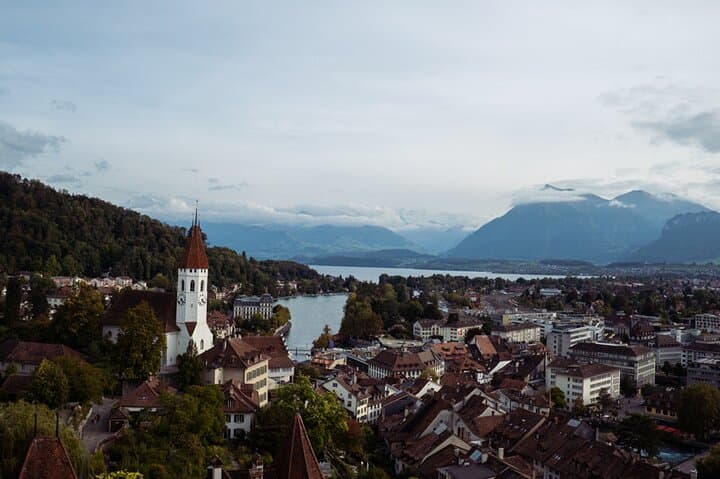
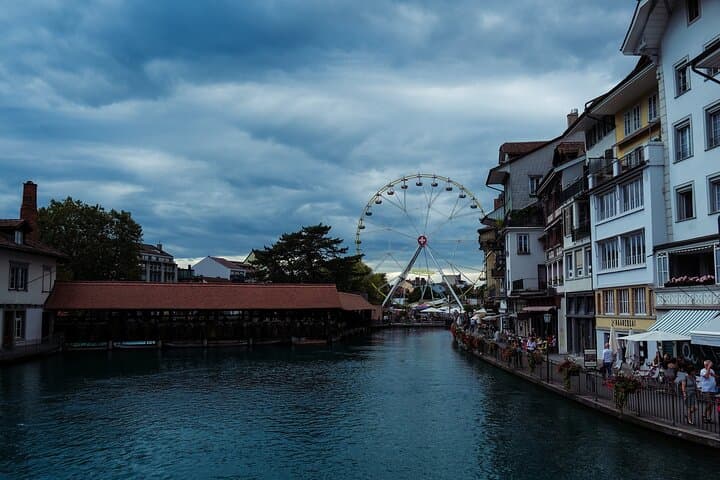
The guide—camera in hand—leads a compact group through the old town’s raised pavements, past wooden bridges that flutter with river spray, and up the castle’s stone stair to a wide view of Lake Thun. The Aare dares you to look closer; its current throws glints across façades and offers unique reflections for low‑light practice.
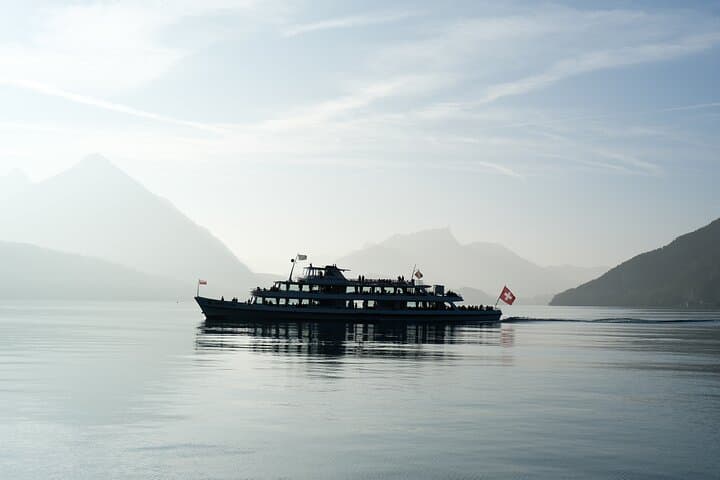
Thun’s history is visibly layered: medieval walls at Thun Castle, 12th‑century street plans in Obere Hauptgasse, and the 19th‑century lakeside estates like Castle Schadau. The geology is straightforward—glacial sculpting left a broad valley and the lake basin—while culture lives in market stalls, church bells, and ferry crossings that frame daily Swiss rhythms.
Practical guide: this is an easy, mostly flat walking route with short stair sections to the castle (an elevator option exists). Expect cobblestones, occasional low‑light passages under bridges, and riverbank breezes; bring a compact tripod for long exposures and a fast lens for market scenes.
Timing matters—golden hour along the Brahms‑Quai and late afternoon at Schlossberg yield the richest color. The two‑hour private format means ample instruction on composition and camera settings, tailored to beginners and experienced shooters alike. Plan for public transport to the station, water, and footwear that handles cobbles and light stairs.
easy.
2 hours.
Light walking ability; must be comfortable on uneven cobblestones and short flights of stairs.
The meeting point is across the street from Bahnhof Thun plaza; the tour returns to the same location.
Yes—guides provide practical tips on camera settings and composition; no prior experience required.
Absolutely—guides adapt instruction for phones and cameras, including composition and exposure tips.
There are short stair sections to the castle, but an elevator option is available for guests with mobility needs.
Thun grew as a medieval market town around its 12th‑century castle and later expanded along Lake Thun during 19th‑century tourism and transport development.
Respect riverbank vegetation and avoid trampling plants; use marked paths and minimize waste to protect the Aare’s fragile riparian habitats.
Daria @ The Weaver of Stories by D. Condor operates guided outdoor trips and adventures with an emphasis on safety, stewardship, and memorable experiences.

You meet across from Bahnhof Thun as late morning light hits the river and the alpine ridgeline prints a cool edge on the horizon.
You meet across from Bahnhof Thun as late morning light hits the river and the alpine ridgeline prints a cool edge on the horizon.
The guide—camera in hand—leads a compact group through the old town’s raised pavements, past wooden bridges that flutter with river spray, and up the castle’s stone stair to a wide view of Lake Thun. The Aare dares you to look closer; its current throws glints across façades and offers unique reflections for low‑light practice.
Thun’s history is visibly layered: medieval walls at Thun Castle, 12th‑century street plans in Obere Hauptgasse, and the 19th‑century lakeside estates like Castle Schadau. The geology is straightforward—glacial sculpting left a broad valley and the lake basin—while culture lives in market stalls, church bells, and ferry crossings that frame daily Swiss rhythms.
Practical guide: this is an easy, mostly flat walking route with short stair sections to the castle (an elevator option exists). Expect cobblestones, occasional low‑light passages under bridges, and riverbank breezes; bring a compact tripod for long exposures and a fast lens for market scenes.
Timing matters—golden hour along the Brahms‑Quai and late afternoon at Schlossberg yield the richest color. The two‑hour private format means ample instruction on composition and camera settings, tailored to beginners and experienced shooters alike. Plan for public transport to the station, water, and footwear that handles cobbles and light stairs.