THE ADVENTURE COLLECTIVE® · Independent discovery and booking for outdoor travel

Spend an hour with a local photographer to record Osaka’s contrasting faces—from the stone presence of Osaka Castle to neon-drenched Dotonbori. This private walk delivers 10–20 edited full-resolution images plus hundreds of raw files, tailored to your preferred spots.
Spend an hour with a local photographer to record Osaka’s contrasting faces—from the stone presence of Osaka Castle to neon-drenched Dotonbori. This private walk delivers 10–20 edited full-resolution images plus hundreds of raw files, tailored to your preferred spots.
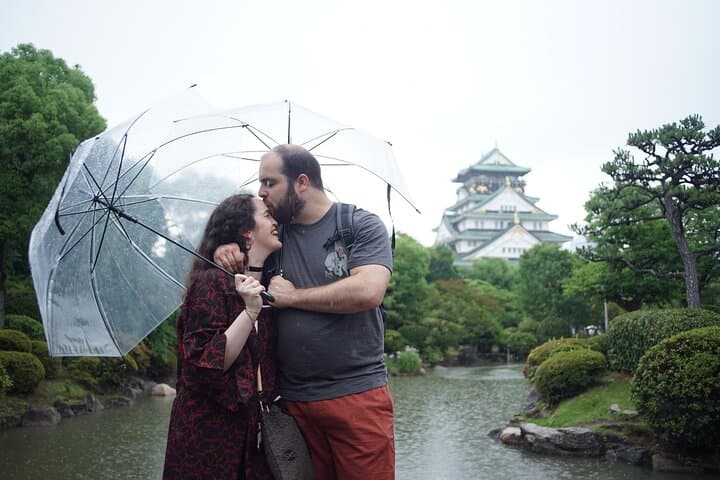
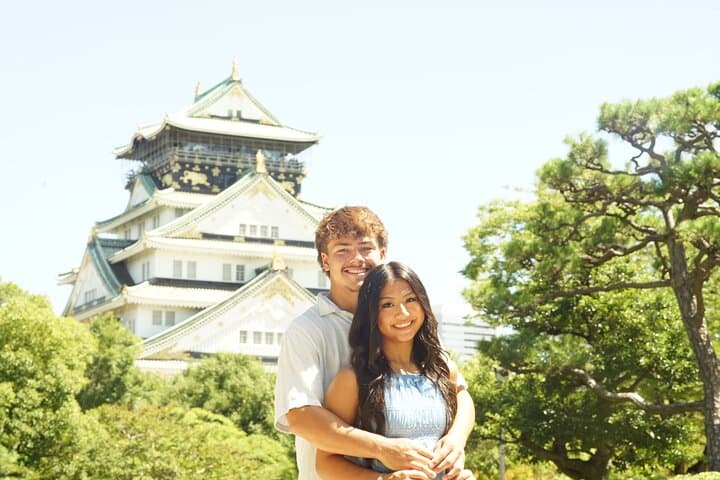
Morning light slides off the tiled roof of Osaka Castle as a local photographer guides you through alleys that reveal the city’s quieter faces. The tour moves at a deliberate pace—framing a samurai-era turret against a modern skyline, catching neon reflections in the Dotonbori canal, pausing for a candid portrait beneath Umeda’s steel-and-glass geometry.
Verified experiences and guided adventures in the surrounding area.
Operated by Pocket Guide Japan · Osaka, Osaka Prefecture
Morning light slides off the tiled roof of Osaka Castle as a local photographer guides you through alleys that reveal the city’s quieter faces. The tour moves at a deliberate pace—framing a samurai-era turret against a modern skyline, catching neon reflections in the Dotonbori canal, pausing for a candid portrait beneath Umeda’s steel-and-glass geometry.
Osaka’s history is visible in brick and stone: the castle’s seventeenth-century foundations, Edo-era merchant quarters, and post-war urban renewal stacked in layers. Geologically the city sits on an alluvial plain where the Yodo River once shaped trade routes; culturally the neighborhoods vibrate with street food, pachinko parlors, and festivals that favor bold color and close-up moments.
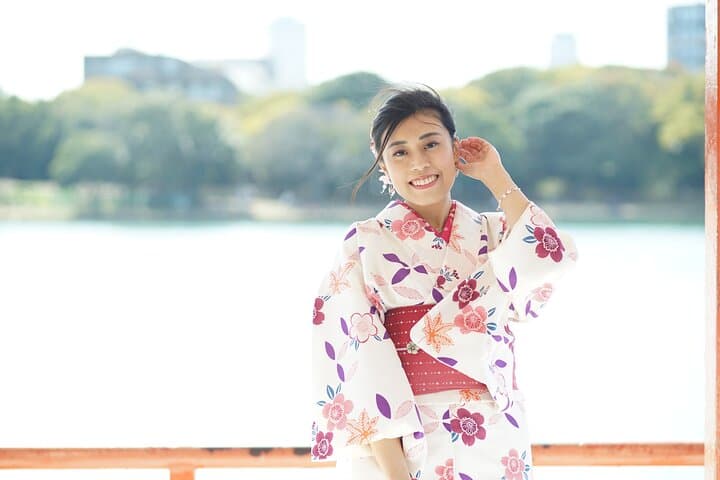
Expect a mix of posed and documentary-style images tailored to couples, families, or solo travelers. Photographers choose angles that minimize crowds and use natural backdrops—river reflections, park foliage, and narrow lanes—to create depth. The final deliverables typically include 10–20 edited full-resolution files plus a large set of unedited captures for archival value.
Practicalities: book morning or golden-hour slots to avoid heavy foot traffic, wear quiet-soled shoes for walking on stone and pavement, and bring a charged phone or camera with a small prime or zoom. Communicate preferred locations ahead of time—Osaka Castle, Dotonbori, Umeda, or Shinsekai—and confirm accessibility needs. The result is a concise, professionally edited visual record that captures Osaka’s kinetic urban character without losing its historical foundations.
easy.
1 hour.
Suitable for all fitness levels; involves light walking and standing during shots.
Yes—bookings allow you to request Osaka Castle, Dotonbori, Umeda, Shinsekai, or other spots; confirm at booking so the route is planned.
Expect 10–20 edited, full-resolution images plus over 100 unedited files delivered electronically; typical turnaround is a few days but confirm timing with the operator.
Many central locations and park areas are accessible, but older stone steps at castle areas can be a barrier—notify the operator of mobility needs to plan an accessible route.
Full refunds are typically available if you cancel at least 24 hours before the scheduled time; check the provider’s policy for specifics and bad-weather rules.
Osaka Castle dates to the late 16th century and served as a political center during Japan’s unification; surrounding neighborhoods grew as merchant and entertainment districts in subsequent centuries.
High foot traffic areas are managed to protect historic stonework and waterways—stick to designated paths, avoid trampling green spaces, and carry out any trash.
Pocket Guide Japan operates guided outdoor trips and adventures with an emphasis on safety, stewardship, and memorable experiences.

Morning light slides off the tiled roof of Osaka Castle as a local photographer guides you through alleys that reveal the city’s quieter faces. The tour moves at a deliberate pace—framing a samurai-era turret against a modern skyline, catching neon reflections in the Dotonbori canal, pausing for a candid portrait beneath Umeda’s steel-and-glass geometry.
Morning light slides off the tiled roof of Osaka Castle as a local photographer guides you through alleys that reveal the city’s quieter faces. The tour moves at a deliberate pace—framing a samurai-era turret against a modern skyline, catching neon reflections in the Dotonbori canal, pausing for a candid portrait beneath Umeda’s steel-and-glass geometry.
Osaka’s history is visible in brick and stone: the castle’s seventeenth-century foundations, Edo-era merchant quarters, and post-war urban renewal stacked in layers. Geologically the city sits on an alluvial plain where the Yodo River once shaped trade routes; culturally the neighborhoods vibrate with street food, pachinko parlors, and festivals that favor bold color and close-up moments.
Expect a mix of posed and documentary-style images tailored to couples, families, or solo travelers. Photographers choose angles that minimize crowds and use natural backdrops—river reflections, park foliage, and narrow lanes—to create depth. The final deliverables typically include 10–20 edited full-resolution files plus a large set of unedited captures for archival value.
Practicalities: book morning or golden-hour slots to avoid heavy foot traffic, wear quiet-soled shoes for walking on stone and pavement, and bring a charged phone or camera with a small prime or zoom. Communicate preferred locations ahead of time—Osaka Castle, Dotonbori, Umeda, or Shinsekai—and confirm accessibility needs. The result is a concise, professionally edited visual record that captures Osaka’s kinetic urban character without losing its historical foundations.