THE ADVENTURE COLLECTIVE® · Independent discovery and booking for outdoor travel

A local photographer guides you through Kyoto’s historic lanes and temple approaches to create polished portraits and candid moments. Expect gentle walking, expert local tips, and a curated gallery of edited images.
A local photographer guides you through Kyoto’s historic lanes and temple approaches to create polished portraits and candid moments. Expect gentle walking, expert local tips, and a curated gallery of edited images.
Morning light slips across stone lanes as a local photographer leads you through Kyoto’s quieter hours, camera ready to catch unguarded smiles and the slow exhale of the city. You move from narrow wooden machiya alleys toward lantern-lit arcades and, if the route allows, the riverbanks where the Kamo River pushes reflections downstream like a live mirror.
Verified experiences and guided adventures in the surrounding area.
Operated by Kyotoric · Kyoto, Kyoto Prefecture
Morning light slips across stone lanes as a local photographer leads you through Kyoto’s quieter hours, camera ready to catch unguarded smiles and the slow exhale of the city. You move from narrow wooden machiya alleys toward lantern-lit arcades and, if the route allows, the riverbanks where the Kamo River pushes reflections downstream like a live mirror.
Kyoto was Japan’s imperial capital for more than a millennium; its streets layer Edo-period shopfronts, Heian-era temple grounds and Meiji-era modernization. The city sits on an alluvial plain fed by rivers from surrounding low mountains—terrain that shaped settlement patterns and the intimate scale of the historic districts you’ll photograph.
Culturally, Kyoto rewards restraint and attention: quiet courtesies at shrines, deliberate preservation of craft, and neighborhoods where artisans still work. A local photographer does more than frame faces—they interpret light, respect shrine etiquette, and suggest nearby restaurants and kimono-rental partners to extend the experience.
Practical guidance: expect 50–90 minutes of walking at an easy pace on mixed surfaces—paved streets, stone steps and occasional gravel. Morning and late-afternoon light are best for soft color and fewer crowds. Wear comfortable shoes with good grip for cobbles and temple steps, carry a compact umbrella for sudden showers, and bring any outfit changes you want photographed. Communicate pose preferences and must-have shots in advance to make the most of the session. The result: a curated set of edited images that capture both place and personality without losing the everyday rhythm of Kyoto.
easy.
50–90 minutes.
Light walking stamina; able to stand and pose intermittently and walk short distances between locations.
Typical deliveries range from 30–90 edited images depending on session length; confirm the exact number when booking.
Yes—the guide can advise on styling and recommend local kimono rental shops but may not provide rentals directly.
Many central streets and riverbanks are accessible, but some temple areas have steps—discuss route preferences ahead of time to plan accessible options.
Sessions often proceed in light rain with umbrellas; discuss rescheduling or alternative indoor locations with the photographer if conditions are severe.
Kyoto served as Japan’s capital from 794 to 1868; many streets and shrines you’ll visit date to Edo and earlier, reflecting long-standing urban patterns and craft traditions.
Stick to established paths and avoid trampling moss and temple gardens; supporting local businesses like artisan shops helps maintain the human-scale economy that preserves these neighborhoods.
Kyotoric operates guided outdoor trips and adventures with an emphasis on safety, stewardship, and memorable experiences.
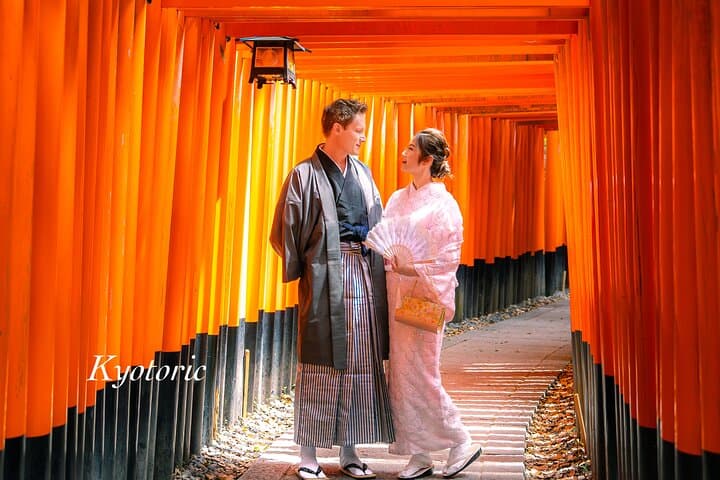
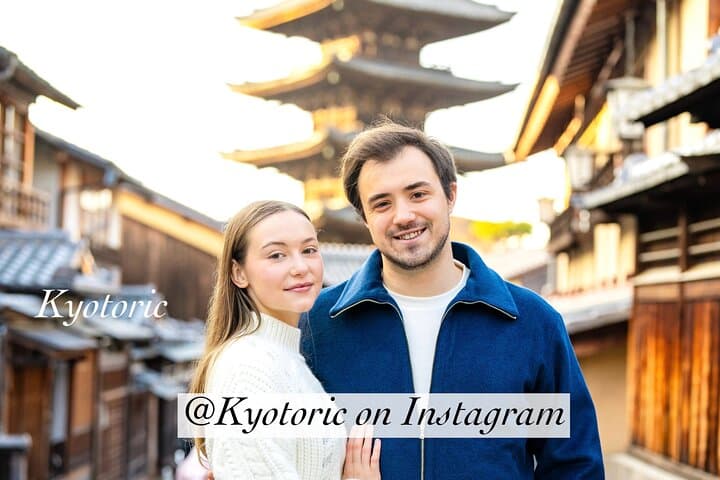
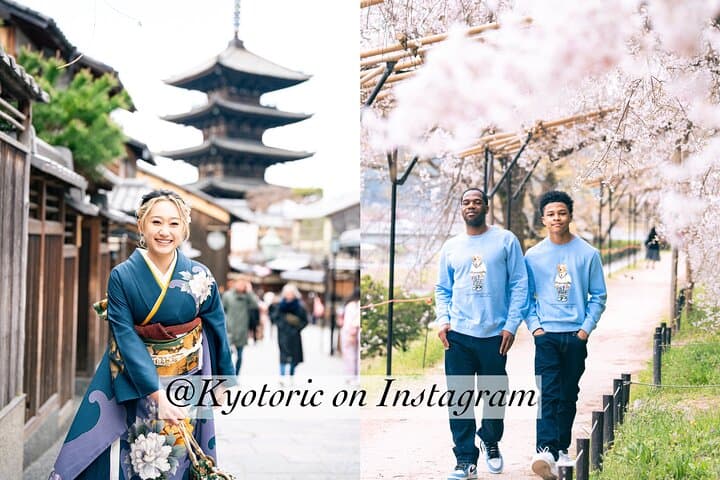
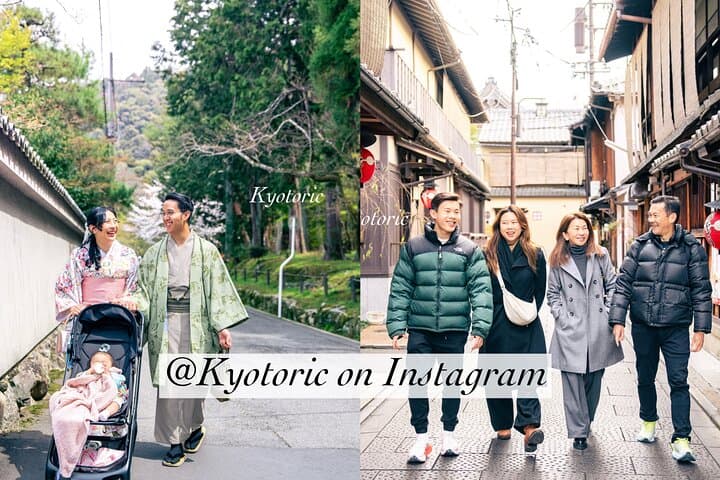
Morning light slips across stone lanes as a local photographer leads you through Kyoto’s quieter hours, camera ready to catch unguarded smiles and the slow exhale of the city. You move from narrow wooden machiya alleys toward lantern-lit arcades and, if the route allows, the riverbanks where the Kamo River pushes reflections downstream like a live mirror.
Morning light slips across stone lanes as a local photographer leads you through Kyoto’s quieter hours, camera ready to catch unguarded smiles and the slow exhale of the city. You move from narrow wooden machiya alleys toward lantern-lit arcades and, if the route allows, the riverbanks where the Kamo River pushes reflections downstream like a live mirror.
Kyoto was Japan’s imperial capital for more than a millennium; its streets layer Edo-period shopfronts, Heian-era temple grounds and Meiji-era modernization. The city sits on an alluvial plain fed by rivers from surrounding low mountains—terrain that shaped settlement patterns and the intimate scale of the historic districts you’ll photograph.
Culturally, Kyoto rewards restraint and attention: quiet courtesies at shrines, deliberate preservation of craft, and neighborhoods where artisans still work. A local photographer does more than frame faces—they interpret light, respect shrine etiquette, and suggest nearby restaurants and kimono-rental partners to extend the experience.
Practical guidance: expect 50–90 minutes of walking at an easy pace on mixed surfaces—paved streets, stone steps and occasional gravel. Morning and late-afternoon light are best for soft color and fewer crowds. Wear comfortable shoes with good grip for cobbles and temple steps, carry a compact umbrella for sudden showers, and bring any outfit changes you want photographed. Communicate pose preferences and must-have shots in advance to make the most of the session. The result: a curated set of edited images that capture both place and personality without losing the everyday rhythm of Kyoto.