THE ADVENTURE COLLECTIVE® · Independent discovery and booking for outdoor travel

Walk beneath chestnuts and beeches toward a 13th‑century tower while learning low‑light photography and discovering contemporary art along the trail. This easy, intimate tour from Lugano pairs history, geology, and practical camera coaching.
Walk beneath chestnuts and beeches toward a 13th‑century tower while learning low‑light photography and discovering contemporary art along the trail. This easy, intimate tour from Lugano pairs history, geology, and practical camera coaching.
Morning light threads through beeches and chestnuts as the guide leads a small group onto the Redde wood path. The forest breathes slow; trunks lean like patient witnesses and the path climbs with easy grades toward a 13th-century stone tower. Cameras wake. The rhythm is walking, framing, and listening — the tour teaches how to read low light and compose with ancient ruins and contemporary installations.
Verified experiences and guided adventures in the surrounding area.
Operated by Edgarda Lepori, ph. · Capriasca, Ticino
Morning light threads through beeches and chestnuts as the guide leads a small group onto the Redde wood path. The forest breathes slow; trunks lean like patient witnesses and the path climbs with easy grades toward a 13th-century stone tower. Cameras wake. The rhythm is walking, framing, and listening — the tour teaches how to read low light and compose with ancient ruins and contemporary installations.
Redde's medieval village was mostly deserted by the 1500s; the Redde Tower (XIII century) and S. Clemente church remain as stony markers of regional history. Geologically the slope is part of Ticino's pre-Alpine foothills: mixed hardwoods over shallow, glacially influenced soils that hold moisture and soften light. Local culture leans toward small-scale agriculture; expect kilometer‑zero products from a nearby vendor at the walk's end.
Practically, the route is a relaxed 2–2.5 hour loop on forest tracks with short uneven stretches and modest elevation gain, suitable for most walkers. Photographers will practice manual exposure, using a tripod for long exposures beneath the canopy and adjusting ISO to preserve highlight detail in chapel stonework. Public transport reaches nearby villages; the meeting point is accessible from Lugano by a short bus or taxi ride.
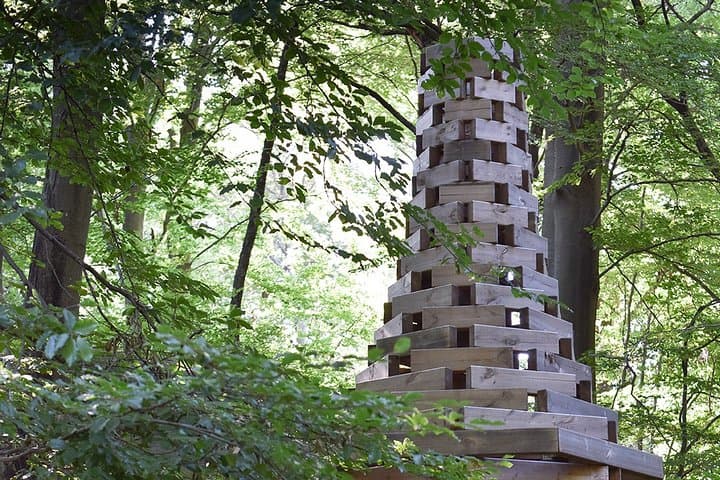
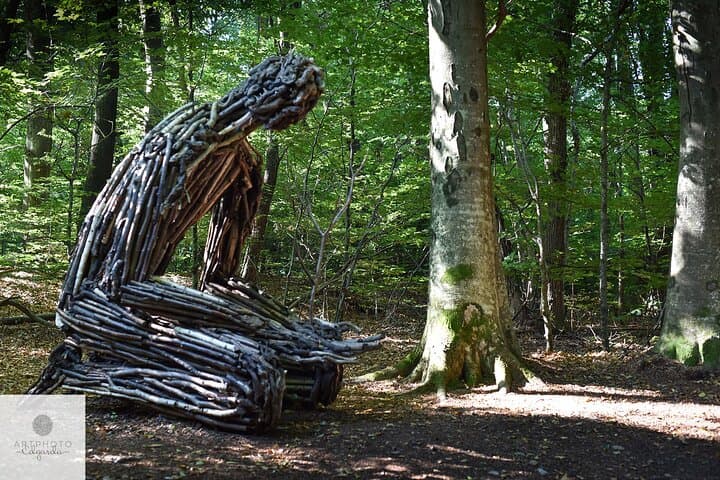
Bring sturdy shoes, a compact tripod, and a layered jacket — mornings can be cool and damp. Respect the installation by not touching art pieces and stay on marked trails to protect understory plants. The reward is reliable: quiet forest light and the framed geometry of a medieval tower that makes the region's past feel close enough to photograph and carry home.
easy.
2–2.5 hours.
Suitable for most fitness levels; requires steady walking on forest tracks and brief uphill sections.
The tour runs about 2–2.5 hours over mainly easy forest tracks with some short uneven stretches.
Yes — buses from Lugano and nearby villages connect to trailhead areas; meeting details are provided at booking.
Basic understanding of manual mode is helpful; the guide provides hands‑on tips for low‑light settings and composition.
Yes — at the end of the tour you'll visit a local seller offering km‑0 products to sample and purchase.
The area includes the remains of a medieval village abandoned in the 1500s and a 13th‑century tower that marks its former footprint.
Stick to designated paths and avoid touching installations; small tours help limit erosion and support local vendors who steward the land.
Edgarda Lepori, ph. operates guided outdoor trips and adventures with an emphasis on safety, stewardship, and memorable experiences.
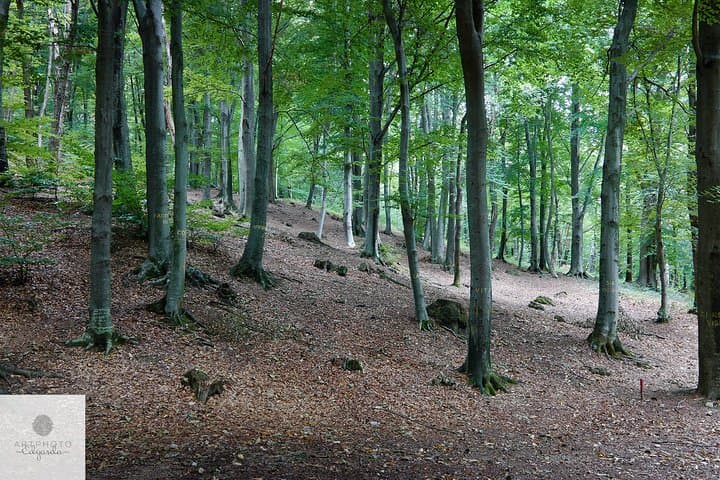
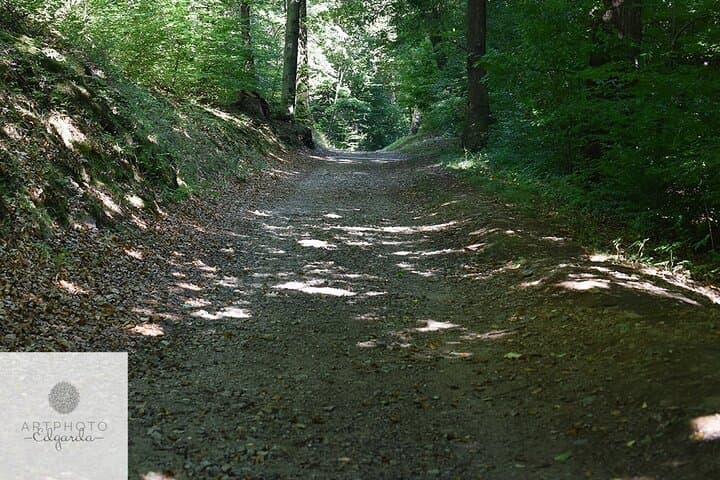
Morning light threads through beeches and chestnuts as the guide leads a small group onto the Redde wood path. The forest breathes slow; trunks lean like patient witnesses and the path climbs with easy grades toward a 13th-century stone tower. Cameras wake. The rhythm is walking, framing, and listening — the tour teaches how to read low light and compose with ancient ruins and contemporary installations.
Morning light threads through beeches and chestnuts as the guide leads a small group onto the Redde wood path. The forest breathes slow; trunks lean like patient witnesses and the path climbs with easy grades toward a 13th-century stone tower. Cameras wake. The rhythm is walking, framing, and listening — the tour teaches how to read low light and compose with ancient ruins and contemporary installations.
Redde's medieval village was mostly deserted by the 1500s; the Redde Tower (XIII century) and S. Clemente church remain as stony markers of regional history. Geologically the slope is part of Ticino's pre-Alpine foothills: mixed hardwoods over shallow, glacially influenced soils that hold moisture and soften light. Local culture leans toward small-scale agriculture; expect kilometer‑zero products from a nearby vendor at the walk's end.
Practically, the route is a relaxed 2–2.5 hour loop on forest tracks with short uneven stretches and modest elevation gain, suitable for most walkers. Photographers will practice manual exposure, using a tripod for long exposures beneath the canopy and adjusting ISO to preserve highlight detail in chapel stonework. Public transport reaches nearby villages; the meeting point is accessible from Lugano by a short bus or taxi ride.
Bring sturdy shoes, a compact tripod, and a layered jacket — mornings can be cool and damp. Respect the installation by not touching art pieces and stay on marked trails to protect understory plants. The reward is reliable: quiet forest light and the framed geometry of a medieval tower that makes the region's past feel close enough to photograph and carry home.