THE ADVENTURE COLLECTIVE® · Independent discovery and booking for outdoor travel

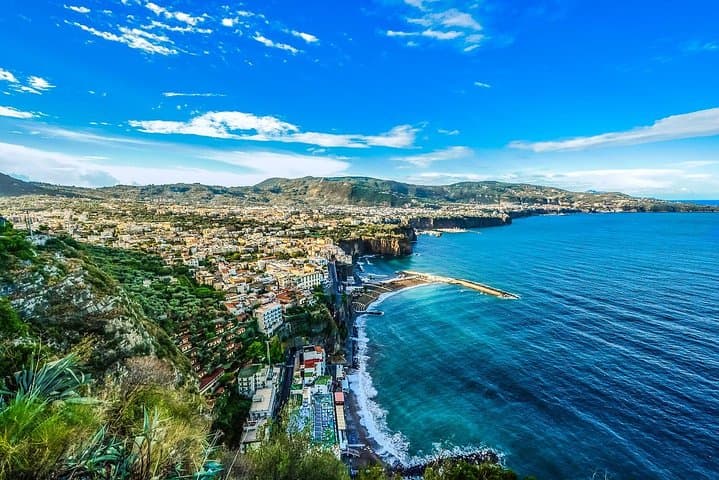
Cover Capri’s cliffs, Sorrento’s lemon-scented terraces, and Pompeii’s Roman streets in one long day from Rome. This guided trip packs ferries, coastal drives and an archaeological walkthrough into a roughly 9–10 hour circuit.
Cover Capri’s cliffs, Sorrento’s lemon-scented terraces, and Pompeii’s Roman streets in one long day from Rome. This guided trip packs ferries, coastal drives and an archaeological walkthrough into a roughly 9–10 hour circuit.
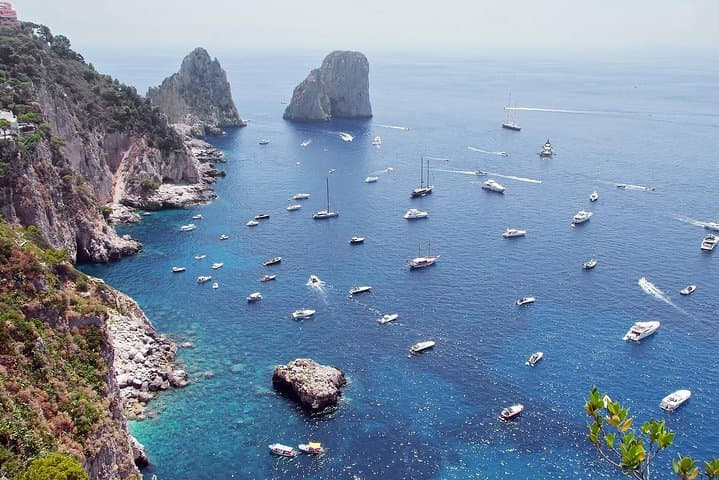
Before dawn the platform at Roma Termini hums with commuters and a few determined travelers — coffee in hand, tickets ready — bound for a single, ambitious day along the Bay of Naples. In a matter of hours the cityscape gives way to Vesuuvian slopes and the sea opens; Capri’s limestone cliffs and the Faraglioni stacks rise like weathered sculptures, daring you closer.
Verified experiences and guided adventures in the surrounding area.
Operated by Tours of Capri-Private Tours of Amalfi Coast & Pompeii · Rome, Lazio
Before dawn the platform at Roma Termini hums with commuters and a few determined travelers — coffee in hand, tickets ready — bound for a single, ambitious day along the Bay of Naples. In a matter of hours the cityscape gives way to Vesuuvian slopes and the sea opens; Capri’s limestone cliffs and the Faraglioni stacks rise like weathered sculptures, daring you closer.
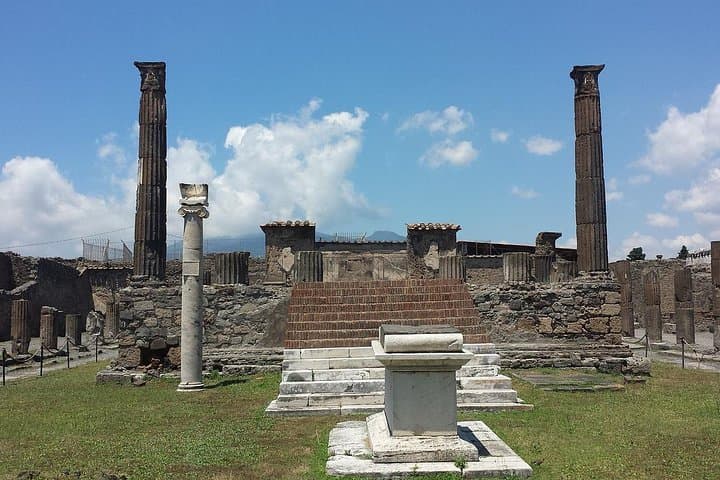
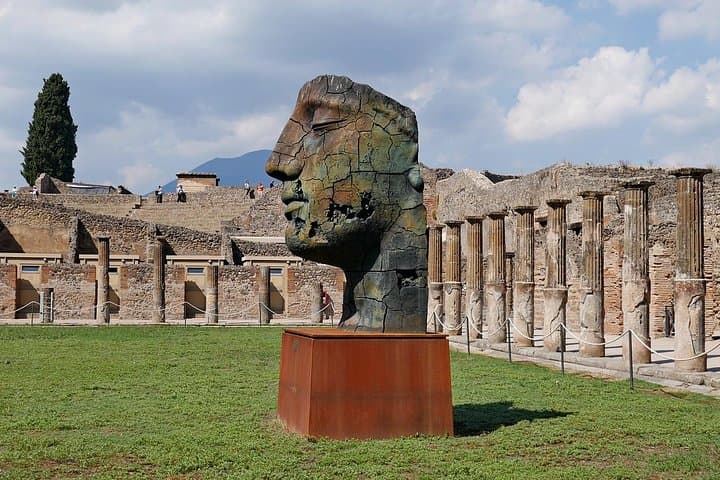
Capri’s Blue Grotto is a geological curiosity: a sea cave where sunlight filters through an underwater cavity and turns the water phantom-blue. Sorrento follows as a hillside town shaped by tufa terraces and citrus groves; its narrow lanes and limoncello tradition reflect centuries of maritime trade and Neapolitan culture. The final act, Pompeii, is a preserved Roman grid frozen by Vesuvius’ 79 AD eruption — plaster casts, frescoed homes, and streets that map daily life two millennia ago.
Practicalities matter on a packed itinerary. Expect a long but manageable day (roughly 9–10 hours) of short ferries, motor transfers and walking on uneven archaeological surfaces. Blue Grotto access depends on sea state; plan alternatives (boat circumnavigation) when necessary. Wear sturdy walking shoes for cobbled streets and archaeological ruins, carry water and sun protection, and keep a small amount of cash for local vendors.
A guided rhythm makes this circuit efficient: transport between ports, island minibus or boat time, a relaxed lunch in Sorrento, and a focused archaeological tour in Pompeii. The route rewards travelers with coastal light, geological contrasts from volcanic ash to marine limestone, and tangible threads of Mediterranean history — all in a single, sunlit day.
moderate.
9–10 hours.
Moderate fitness; must be comfortable standing and walking on uneven ground for several hours
No — the grotto is subject to sea and weather conditions; operators will offer a boat circumnavigation or alternative island viewpoints if it’s closed.
Expect 1–2 hours of walking on uneven volcanic streets; some sections have steps and minimal shade.
Roundtrip ferry tickets Naples–Capri–Sorrento are typically included in the tour package, but confirm at booking for the exact inclusions.
Children can join but the day is long; Pompeii and Capri have uneven ground and steps, so mobility limitations may restrict access to parts of sites.
Pompeii preserves a Roman cityscape abruptly frozen by Vesuvius in 79 AD; Capri and Sorrento have long histories as maritime waypoints shaped by volcanic geology and Mediterranean trade.
High visitor numbers stress both island ecosystems and archaeological sites — stick to marked paths in Pompeii, avoid touching frescoes, and minimize single-use plastics around coastal areas.
Tours of Capri-Private Tours of Amalfi Coast & Pompeii operates guided outdoor trips and adventures with an emphasis on safety, stewardship, and memorable experiences.
Before dawn the platform at Roma Termini hums with commuters and a few determined travelers — coffee in hand, tickets ready — bound for a single, ambitious day along the Bay of Naples. In a matter of hours the cityscape gives way to Vesuuvian slopes and the sea opens; Capri’s limestone cliffs and the Faraglioni stacks rise like weathered sculptures, daring you closer.
Before dawn the platform at Roma Termini hums with commuters and a few determined travelers — coffee in hand, tickets ready — bound for a single, ambitious day along the Bay of Naples. In a matter of hours the cityscape gives way to Vesuuvian slopes and the sea opens; Capri’s limestone cliffs and the Faraglioni stacks rise like weathered sculptures, daring you closer.
Capri’s Blue Grotto is a geological curiosity: a sea cave where sunlight filters through an underwater cavity and turns the water phantom-blue. Sorrento follows as a hillside town shaped by tufa terraces and citrus groves; its narrow lanes and limoncello tradition reflect centuries of maritime trade and Neapolitan culture. The final act, Pompeii, is a preserved Roman grid frozen by Vesuvius’ 79 AD eruption — plaster casts, frescoed homes, and streets that map daily life two millennia ago.
Practicalities matter on a packed itinerary. Expect a long but manageable day (roughly 9–10 hours) of short ferries, motor transfers and walking on uneven archaeological surfaces. Blue Grotto access depends on sea state; plan alternatives (boat circumnavigation) when necessary. Wear sturdy walking shoes for cobbled streets and archaeological ruins, carry water and sun protection, and keep a small amount of cash for local vendors.
A guided rhythm makes this circuit efficient: transport between ports, island minibus or boat time, a relaxed lunch in Sorrento, and a focused archaeological tour in Pompeii. The route rewards travelers with coastal light, geological contrasts from volcanic ash to marine limestone, and tangible threads of Mediterranean history — all in a single, sunlit day.