THE ADVENTURE COLLECTIVE® · Independent discovery and booking for outdoor travel

Rent a kayak or SUP for the day and explore Capri’s cliff-lined coastline at your own pace. This guide covers what to expect — routes, local geology, timing and practical tips for a safe, memorable day on the water.
Rent a kayak or SUP for the day and explore Capri’s cliff-lined coastline at your own pace. This guide covers what to expect — routes, local geology, timing and practical tips for a safe, memorable day on the water.
A morning swell lifts you out of the marina and the island opens like a map written in cliffs and sea. Paddle under sheer limestone faces, skirt small beaches that larger boats can’t reach, and slip into shadowed caves where the water cools and light fractures into blue-green panels.
Verified experiences and guided adventures in the surrounding area.
Operated by Capri Hydro · Capri, Campania
A morning swell lifts you out of the marina and the island opens like a map written in cliffs and sea. Paddle under sheer limestone faces, skirt small beaches that larger boats can’t reach, and slip into shadowed caves where the water cools and light fractures into blue-green panels.
Capri’s coastline is a product of uplifted Miocene limestone — steep cliffs, sea-eroded caves and narrow coves carved over millennia. The island carries Roman footprints (Tiberius’ villas and ancient harbor works) and a long tradition of sea-based travel; locals have long used small boats to move around the perimeter and fish these clear waters.
Culturally, Capri balances upscale tourism around the Piazzetta with quiet marine corners where fishermen still dry nets. The marine life is Mediterranean: seagrass beds (Posidonia) anchor small fish and octopus in the shallows; seabirds quarter the breeze above.
Practical guidance: rentals typically include a flotation vest, paddle and route briefing — use the supplied map to plan a loop and allow time for snorkeling breaks. Expect 6–8 miles of paddling if you circumnavigate key bays; bring strong sun protection, a waterproof bag and reef shoes for rocky landings. Launch from Marina Grande or smaller slips when wind is light; afternoons can develop choppy west winds.
Timing and comfort: start early to avoid the midday crowds and wind, hydrate often, and pace yourself — single kayaks and SUPs are stable but require steady core work over hours. Respect local regulations: don’t anchor seagrass, pack out trash, and avoid entering protected grottos when closed. A day on the water here feels like reclaiming the island’s coastline on human power alone.
moderate.
8 hours.
Good general fitness recommended — you’ll paddle intermittently over several hours; basic upper-body and core endurance helps.
No — briefings and stable kayaks/SUPs are provided; however, practice basic strokes and re-entry techniques before heading far from shore.
Access to the Blue Grotto is controlled by local operators and tide/light conditions; private paddlers should respect closures and avoid entering restricted grottos.
Activity is generally suitable for most, but not recommended for travelers with serious heart or spinal issues or pregnancy; children should be supervised and wear approved life vests.
Operators commonly cancel for strong winds or rough seas; check forecasts and expect full refunds if canceled at least 24 hours before the booking.
Capri’s coastline bears traces of Roman-era maritime use and later fishing communities; many coastal terraces and grottos were documented by travelers since antiquity.
Capri’s waters include Posidonia seagrass meadows and protected zones — avoid anchoring on seagrass, minimize disturbance to wildlife, and pack out all waste.
Capri Hydro operates guided outdoor trips and adventures with an emphasis on safety, stewardship, and memorable experiences.
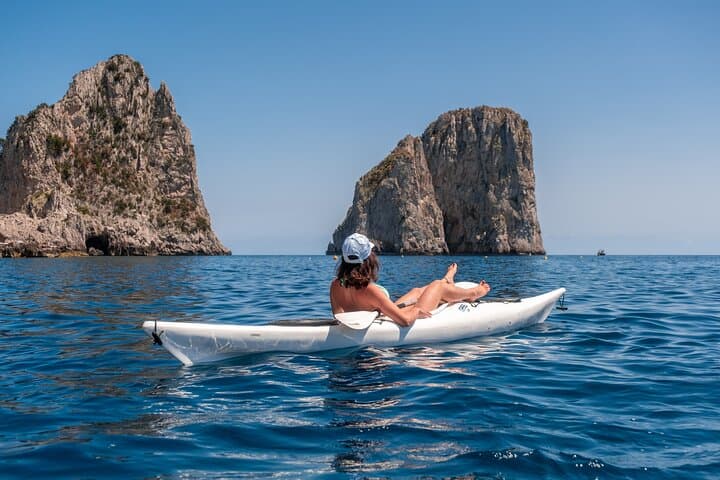
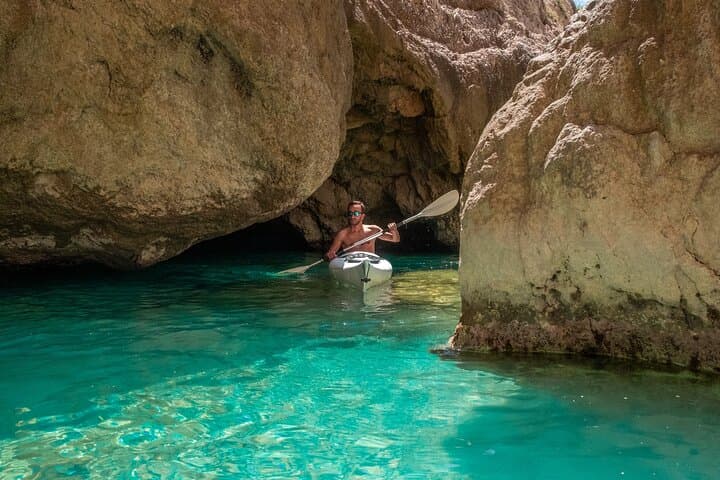
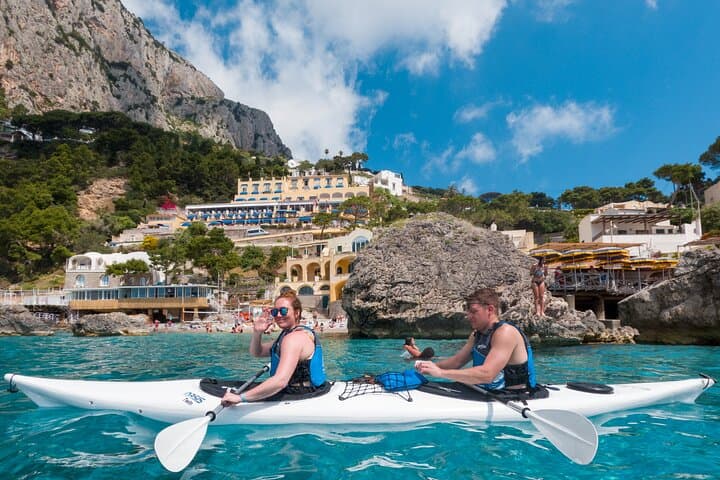
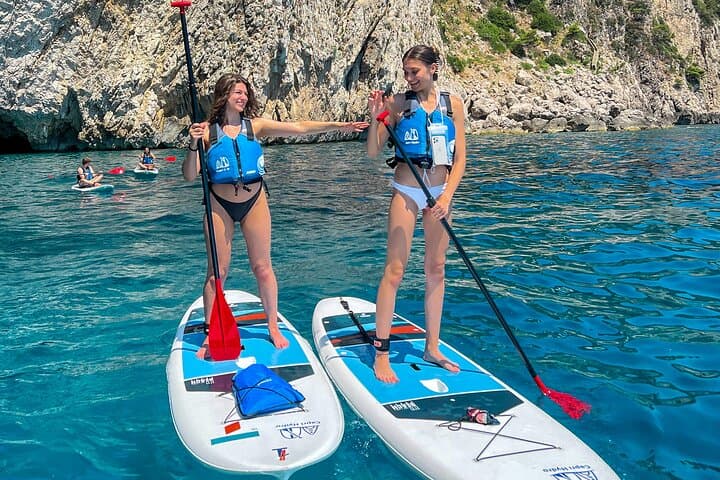
A morning swell lifts you out of the marina and the island opens like a map written in cliffs and sea. Paddle under sheer limestone faces, skirt small beaches that larger boats can’t reach, and slip into shadowed caves where the water cools and light fractures into blue-green panels.
A morning swell lifts you out of the marina and the island opens like a map written in cliffs and sea. Paddle under sheer limestone faces, skirt small beaches that larger boats can’t reach, and slip into shadowed caves where the water cools and light fractures into blue-green panels.
Capri’s coastline is a product of uplifted Miocene limestone — steep cliffs, sea-eroded caves and narrow coves carved over millennia. The island carries Roman footprints (Tiberius’ villas and ancient harbor works) and a long tradition of sea-based travel; locals have long used small boats to move around the perimeter and fish these clear waters.
Culturally, Capri balances upscale tourism around the Piazzetta with quiet marine corners where fishermen still dry nets. The marine life is Mediterranean: seagrass beds (Posidonia) anchor small fish and octopus in the shallows; seabirds quarter the breeze above.
Practical guidance: rentals typically include a flotation vest, paddle and route briefing — use the supplied map to plan a loop and allow time for snorkeling breaks. Expect 6–8 miles of paddling if you circumnavigate key bays; bring strong sun protection, a waterproof bag and reef shoes for rocky landings. Launch from Marina Grande or smaller slips when wind is light; afternoons can develop choppy west winds.
Timing and comfort: start early to avoid the midday crowds and wind, hydrate often, and pace yourself — single kayaks and SUPs are stable but require steady core work over hours. Respect local regulations: don’t anchor seagrass, pack out trash, and avoid entering protected grottos when closed. A day on the water here feels like reclaiming the island’s coastline on human power alone.