THE ADVENTURE COLLECTIVE® · Independent discovery and booking for outdoor travel

Glide around Capri aboard a classic luxury gozzo—three hours of guided cruising, swim stops, and optional access to the Blue Grotto. Experience the island’s cliffs, Faraglioni stacks, and hidden green caves with a local skipper at the helm.
Glide around Capri aboard a classic luxury gozzo—three hours of guided cruising, swim stops, and optional access to the Blue Grotto. Experience the island’s cliffs, Faraglioni stacks, and hidden green caves with a local skipper at the helm.
The morning light slides over Capri’s limestone cliffs and the gozzo’s varnished wood gleams as it slips from Marina Grande. You feel the sea’s push, the sail-less hum of a well-kept engine, and the island opening up—coves of green water, vertical rock faces, and the Faraglioni rising like old sentries. In three hours a local sailor will guide you around the island, pausing for swims, explaining the geology that carved these caves, and pointing out the small human marks—Roman villas and wartime watchtowers—that dot the coast.
Verified experiences and guided adventures in the surrounding area.
Operated by BlueSideCapri · Capri, Campania
The morning light slides over Capri’s limestone cliffs and the gozzo’s varnished wood gleams as it slips from Marina Grande. You feel the sea’s push, the sail-less hum of a well-kept engine, and the island opening up—coves of green water, vertical rock faces, and the Faraglioni rising like old sentries. In three hours a local sailor will guide you around the island, pausing for swims, explaining the geology that carved these caves, and pointing out the small human marks—Roman villas and wartime watchtowers—that dot the coast.
Capri’s cliffs are folded limestone with karst caves that catch light in impossible colors; the Blue Grotto (Grotta Azzurra) owes its glow to refracted sunlight and an underwater entrance. The island has long been a refuge for Roman emperors and later for European artists and jet-setters, which you’ll sense as you pass the small marina crowded with yachts.
Practically: the tour is three hours, private, and sails from the La Vela meeting point at Marina Grande. Snorkel gear, towels, bottled water, a fresh-water shower and a toilet are aboard; the Blue Grotto is optional and requires a small cash fee and often a queue. Mornings are best for calm seas and the grotto light; afternoons suit sunset silhouettes at Punta Carena. Bring reef-safe sunscreen, a light windproof layer, cash for grotto tickets (if desired), and shoes with grip for boarding dinghies. The trip is relaxed but marine conditions change quickly—listen to your skipper, hydrate, and plan for a swim in some of the Mediterranean’s clearest water.
easy.
3 hours.
Suitable for most fitness levels; basic mobility for boarding and short dinghy transfers is helpful; swimmers should be comfortable in open water.
No; the Blue Grotto visit is optional. Entrance is paid in cash directly to the small rowing-boat operator (approximately €14 per person) and waiting times can be long.
Meet at the La Vela bar in Marina Grande; the hostess or skipper will greet you and help you board the gozzo.
Yes—several stops for swimming and snorkeling are included and snorkel equipment is provided on board.
Full refunds are available if you cancel at least 24 hours before departure; tours may be canceled in bad weather and require manual confirmation.
Capri was a favored imperial retreat—Tiberius built Villa Jovis on the island—leaving a layer of Roman ruins and coastal watchpoints that appear from sea.
Avoid single-use plastics, use reef-safe sunscreen, and follow skipper guidance to minimize disturbance to marine habitats and protected caves.
BlueSideCapri operates guided outdoor trips and adventures with an emphasis on safety, stewardship, and memorable experiences.
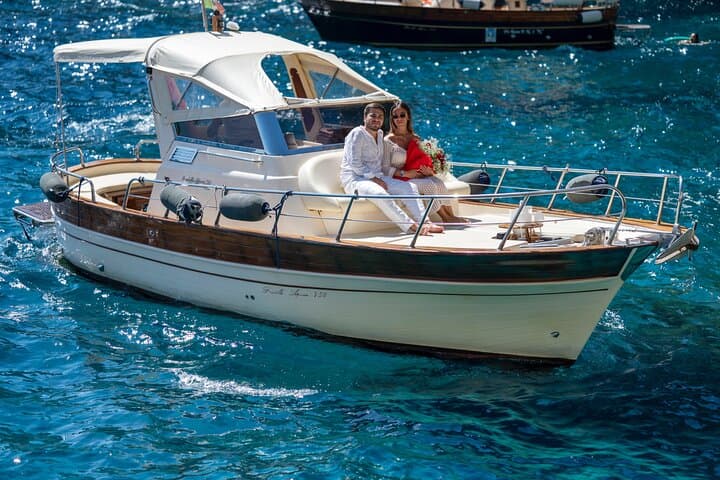


The morning light slides over Capri’s limestone cliffs and the gozzo’s varnished wood gleams as it slips from Marina Grande. You feel the sea’s push, the sail-less hum of a well-kept engine, and the island opening up—coves of green water, vertical rock faces, and the Faraglioni rising like old sentries. In three hours a local sailor will guide you around the island, pausing for swims, explaining the geology that carved these caves, and pointing out the small human marks—Roman villas and wartime watchtowers—that dot the coast.
The morning light slides over Capri’s limestone cliffs and the gozzo’s varnished wood gleams as it slips from Marina Grande. You feel the sea’s push, the sail-less hum of a well-kept engine, and the island opening up—coves of green water, vertical rock faces, and the Faraglioni rising like old sentries. In three hours a local sailor will guide you around the island, pausing for swims, explaining the geology that carved these caves, and pointing out the small human marks—Roman villas and wartime watchtowers—that dot the coast.
Capri’s cliffs are folded limestone with karst caves that catch light in impossible colors; the Blue Grotto (Grotta Azzurra) owes its glow to refracted sunlight and an underwater entrance. The island has long been a refuge for Roman emperors and later for European artists and jet-setters, which you’ll sense as you pass the small marina crowded with yachts.
Practically: the tour is three hours, private, and sails from the La Vela meeting point at Marina Grande. Snorkel gear, towels, bottled water, a fresh-water shower and a toilet are aboard; the Blue Grotto is optional and requires a small cash fee and often a queue. Mornings are best for calm seas and the grotto light; afternoons suit sunset silhouettes at Punta Carena. Bring reef-safe sunscreen, a light windproof layer, cash for grotto tickets (if desired), and shoes with grip for boarding dinghies. The trip is relaxed but marine conditions change quickly—listen to your skipper, hydrate, and plan for a swim in some of the Mediterranean’s clearest water.