THE ADVENTURE COLLECTIVE® · Independent discovery and booking for outdoor travel

Spend a full day on Capri mixing cliffside walks, a Monte Solaro chairlift and a boat loop around the island. This practical guide explains what to expect — terrain, timing, and tips to make the most of the Blue Grotto and seaside views.
Spend a full day on Capri mixing cliffside walks, a Monte Solaro chairlift and a boat loop around the island. This practical guide explains what to expect — terrain, timing, and tips to make the most of the Blue Grotto and seaside views.
Salt air and limestone cliffs set the tempo from the moment you step ashore at Marina Grande. Boats peel away around the harbor, sprays catching sunlight, while capricious cliffs and the Faraglioni stacks loom like coastal sentinels daring you to explore.
Verified experiences and guided adventures in the surrounding area.
Operated by Yellowsudmarine Art Food Tours · Capri, Campania
Salt air and limestone cliffs set the tempo from the moment you step ashore at Marina Grande. Boats peel away around the harbor, sprays catching sunlight, while capricious cliffs and the Faraglioni stacks loom like coastal sentinels daring you to explore.
Capri’s history is layered: Roman emperors built villas on these terraces, medieval watchtowers scouted the Tyrrhenian, and 19th–20th century artists made the island a magnet for painters and writers. Geologically, Capri is uplifted limestone; its grottos and sea caves — the Blue Grotto chief among them — are carved by relentless waves and seasonal storms.
Culturally the island moves at two speeds: the Piazzetta’s café hum, and the quieter paths that climb toward Mount Solaro and Villa San Michele, Axel Munthe’s hilltop refuge. Local life still orbits fishing, boutique fashion, and tourism-driven hospitality.
Practical guidance: expect a 7–8 hour day if you mix walking with a circumnavigation by boat. Paths vary from cobbled alleys to uneven coastal tracks; elevation gain is intermittent as you rise to viewpoints and descend to harbors. The chairlift to Monte Solaro saves energy and rewards you with sweeping panoramas. If you choose the Blue Grotto, know entry depends on sea state and may require queuing from the water.
Bring sun protection, a refillable water bottle, and footwear suitable for slick stone. Time your visit early or late in high season to avoid the busiest hours. With awareness and steady pace, this combined walking-and-boat itinerary gives you the island’s cinematic cliffs, intimate gardens, and the sea’s persistent pull in a single, full day.
moderate.
7–8 hours.
Moderate fitness with ability to walk on uneven terrain and climb short steep sections; some stairs.
The full experience runs about 7–8 hours, combining time on Capri’s paths and a circumnavigation by boat; exact timing can vary by boat availability and chosen stops.
No — the Blue Grotto is optional and dependent on sea conditions; entrance and small-boat transfer fees may apply on site.
Parts of the island are wheelchair accessible (Marina Grande, some piazzas), but many walking routes include stairs and uneven surfaces — check specifics with the operator for accessibility options.
Yes — while cards are widely accepted, small vendors, boat operators or local fees (e.g., chairlift, grotto entry) may prefer cash.
Capri hosted Roman imperial villas (Tiberius ruled from nearby Villa Jovis) and later became a magnet for 19th-century expatriate artists; Villa San Michele reflects Axel Munthe’s eclectic collection.
Capri’s vegetation and coastal habitats are vulnerable to trampling and marine pollution; stick to marked paths, avoid single-use plastics, and respect local marine protected areas.
Yellowsudmarine Art Food Tours operates guided outdoor trips and adventures with an emphasis on safety, stewardship, and memorable experiences.
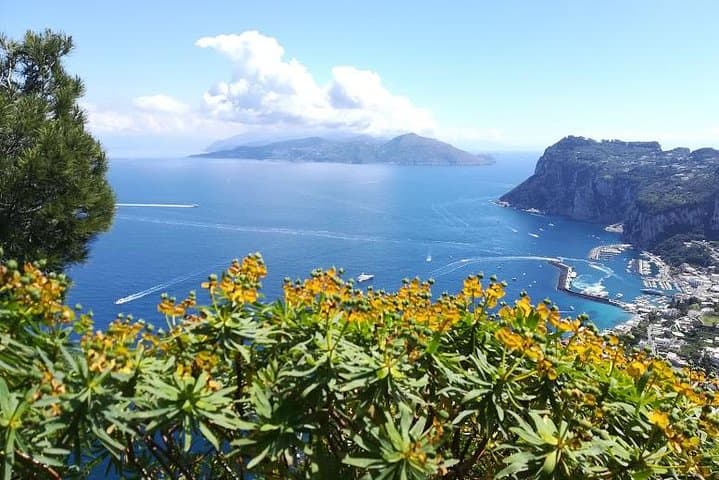
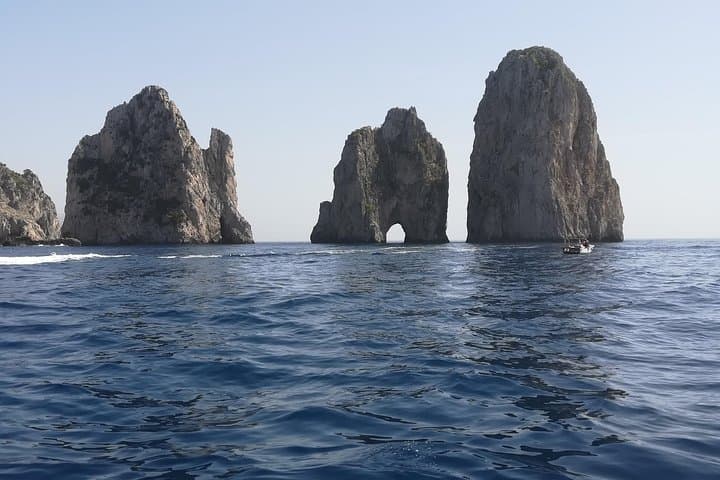
Salt air and limestone cliffs set the tempo from the moment you step ashore at Marina Grande. Boats peel away around the harbor, sprays catching sunlight, while capricious cliffs and the Faraglioni stacks loom like coastal sentinels daring you to explore.
Salt air and limestone cliffs set the tempo from the moment you step ashore at Marina Grande. Boats peel away around the harbor, sprays catching sunlight, while capricious cliffs and the Faraglioni stacks loom like coastal sentinels daring you to explore.
Capri’s history is layered: Roman emperors built villas on these terraces, medieval watchtowers scouted the Tyrrhenian, and 19th–20th century artists made the island a magnet for painters and writers. Geologically, Capri is uplifted limestone; its grottos and sea caves — the Blue Grotto chief among them — are carved by relentless waves and seasonal storms.
Culturally the island moves at two speeds: the Piazzetta’s café hum, and the quieter paths that climb toward Mount Solaro and Villa San Michele, Axel Munthe’s hilltop refuge. Local life still orbits fishing, boutique fashion, and tourism-driven hospitality.
Practical guidance: expect a 7–8 hour day if you mix walking with a circumnavigation by boat. Paths vary from cobbled alleys to uneven coastal tracks; elevation gain is intermittent as you rise to viewpoints and descend to harbors. The chairlift to Monte Solaro saves energy and rewards you with sweeping panoramas. If you choose the Blue Grotto, know entry depends on sea state and may require queuing from the water.
Bring sun protection, a refillable water bottle, and footwear suitable for slick stone. Time your visit early or late in high season to avoid the busiest hours. With awareness and steady pace, this combined walking-and-boat itinerary gives you the island’s cinematic cliffs, intimate gardens, and the sea’s persistent pull in a single, full day.