THE ADVENTURE COLLECTIVE® · Independent discovery and booking for outdoor travel

Spend a day on Capri from Rome: a hydrofoil crossing, a small-boat tour of the island’s sea caves, a visit to the Blue Grotto (weather permitting) and free time in Capri town. Practical tips on timing, tickets and packing help you get the most from this full-day adventure.
Spend a day on Capri from Rome: a hydrofoil crossing, a small-boat tour of the island’s sea caves, a visit to the Blue Grotto (weather permitting) and free time in Capri town. Practical tips on timing, tickets and packing help you get the most from this full-day adventure.
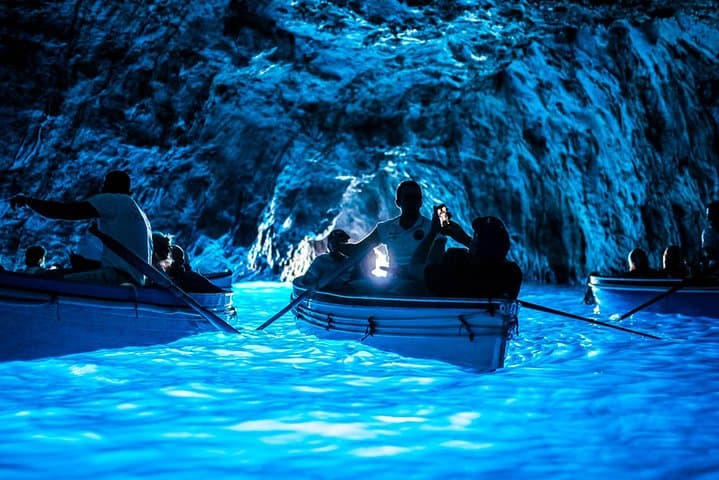
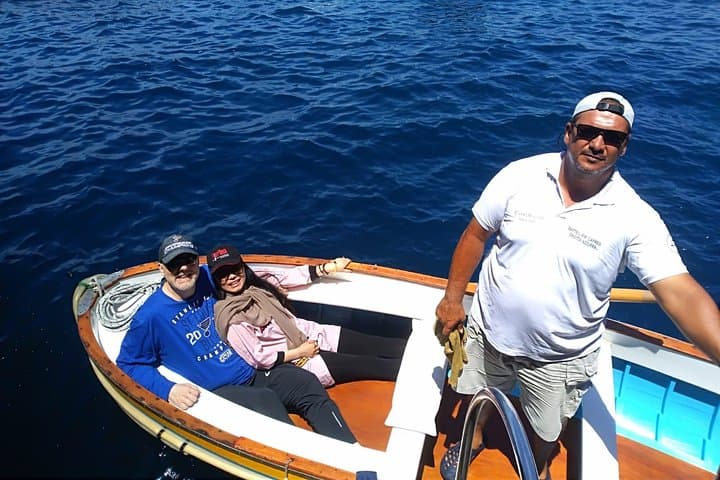
Morning light slants across the Tyrrhenian as the hydrofoil cuts from Naples toward Capri, the island rising like a limestone cliff that dares you closer. On arrival the harbor smells of salt and espresso; your guide leads you to a small boat that threads into caves and skirts the Faraglioni stacks, their sheer faces throwing back blue in a way that feels intentional.
Verified experiences and guided adventures in the surrounding area.
Operated by UrbExcursions · Capri, Campania
Morning light slants across the Tyrrhenian as the hydrofoil cuts from Naples toward Capri, the island rising like a limestone cliff that dares you closer. On arrival the harbor smells of salt and espresso; your guide leads you to a small boat that threads into caves and skirts the Faraglioni stacks, their sheer faces throwing back blue in a way that feels intentional.
Capri’s geography is a product of folded limestone and marine erosion—sea caves, arches and sheer headlands carved over millennia. Roman emperors favored its sheltered coves and panoramic terraces; vestiges of villa ruins sit above modern boutiques and lemon groves. Local life still orbits the piazzetta: cafes, cobbled alleys, and fishermen hauling nets alongside designer shops.
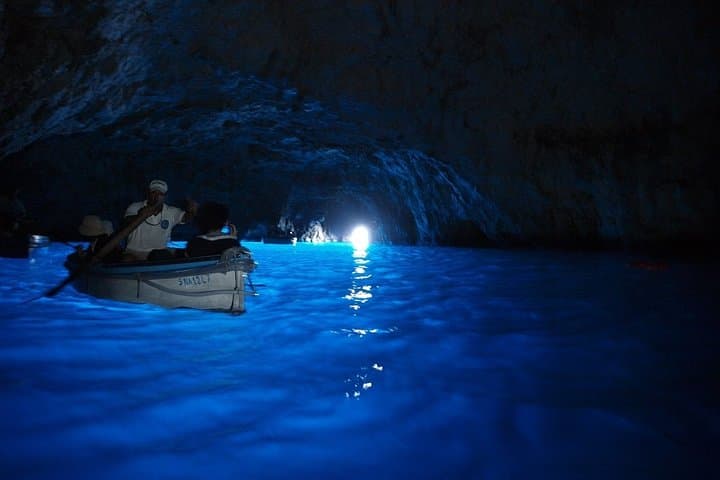
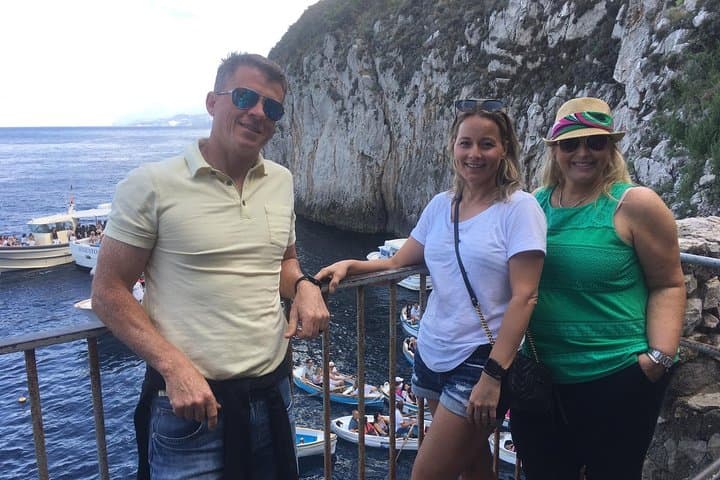
Practicalities shape the day: expect a full 12-hour outing when traveling from Rome, with hydrofoil crossings, short public-boat transfers around the island, and a climb between Marina Grande, Anacapri and Capri town. The Blue Grotto visit requires buying an entrance ticket at the floating kiosk and is dependent on calm sea conditions—when the cave is closed, guides pivot to panoramic viewpoints and Anacapri’s Villa San Michele.
Prepare for uneven stone steps, sun exposure and brief boat transfers; comfortable shoes and seasickness remedies will make the difference between rushed photos and a relaxed day. Time your lunch to catch a terrace view of the Faraglioni and allow an hour to wander Via Camerelle. By evening you’ll return to the mainland with impressions of vertical cliffs, luminous water, and a sense that Capri compels movement—toward cliffs, cafes, and the next lookout.
easy.
12 hours.
Light physical fitness: able to walk on uneven cobbles, climb short stair sections and stand during brief boat transfers.
No, the Blue Grotto entrance and the small rowboat fee are paid on-site at the floating ticket office and are not included in the tour price.
If the grotto is closed for safety, guides typically take visitors to Anacapri viewpoints, Villa San Michele or other coastal panoramas; no refund is issued for grotto closures.
This specific offering includes pickup and return to Rome accommodations, but there are also options for travelers meeting in Naples—confirm pickup details at booking.
The tour is suitable for most ages, but boat transfers and island stairs can be challenging—consider mobility limits and seasickness susceptibility before booking.
Capri was a favored retreat of Roman emperors—Tiberius built villas on its slopes—and the island’s coastal caves were known to Romans long before modern tourism.
High visitor numbers and small-boat traffic put pressure on coastal habitats; stick to marked paths, avoid littering and support local businesses that follow sustainable practices.
UrbExcursions operates guided outdoor trips and adventures with an emphasis on safety, stewardship, and memorable experiences.
Morning light slants across the Tyrrhenian as the hydrofoil cuts from Naples toward Capri, the island rising like a limestone cliff that dares you closer. On arrival the harbor smells of salt and espresso; your guide leads you to a small boat that threads into caves and skirts the Faraglioni stacks, their sheer faces throwing back blue in a way that feels intentional.
Morning light slants across the Tyrrhenian as the hydrofoil cuts from Naples toward Capri, the island rising like a limestone cliff that dares you closer. On arrival the harbor smells of salt and espresso; your guide leads you to a small boat that threads into caves and skirts the Faraglioni stacks, their sheer faces throwing back blue in a way that feels intentional.
Capri’s geography is a product of folded limestone and marine erosion—sea caves, arches and sheer headlands carved over millennia. Roman emperors favored its sheltered coves and panoramic terraces; vestiges of villa ruins sit above modern boutiques and lemon groves. Local life still orbits the piazzetta: cafes, cobbled alleys, and fishermen hauling nets alongside designer shops.
Practicalities shape the day: expect a full 12-hour outing when traveling from Rome, with hydrofoil crossings, short public-boat transfers around the island, and a climb between Marina Grande, Anacapri and Capri town. The Blue Grotto visit requires buying an entrance ticket at the floating kiosk and is dependent on calm sea conditions—when the cave is closed, guides pivot to panoramic viewpoints and Anacapri’s Villa San Michele.
Prepare for uneven stone steps, sun exposure and brief boat transfers; comfortable shoes and seasickness remedies will make the difference between rushed photos and a relaxed day. Time your lunch to catch a terrace view of the Faraglioni and allow an hour to wander Via Camerelle. By evening you’ll return to the mainland with impressions of vertical cliffs, luminous water, and a sense that Capri compels movement—toward cliffs, cafes, and the next lookout.