THE ADVENTURE COLLECTIVE® · Independent discovery and booking for outdoor travel

Circle Capri by boat, pass the Faraglioni up close and spend time in Anacapri and the Gardens of Augustus on this six-hour guided tour. Learn geological and cultural highlights while enjoying accessible walks and grotto views—timing and sea state dictate what’s possible on the water.
Circle Capri by boat, pass the Faraglioni up close and spend time in Anacapri and the Gardens of Augustus on this six-hour guided tour. Learn geological and cultural highlights while enjoying accessible walks and grotto views—timing and sea state dictate what’s possible on the water.
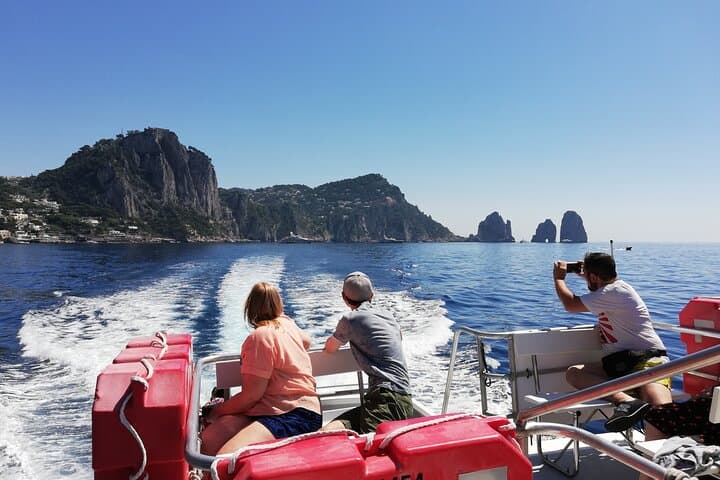
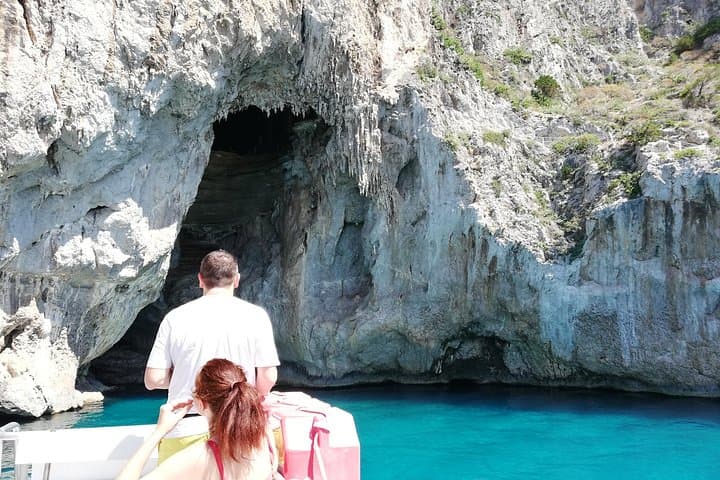
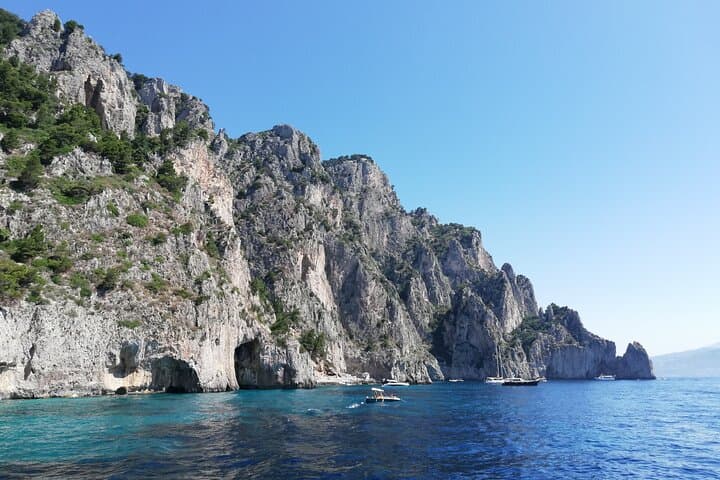
You step off the ferry onto Marina Grande and the island announces itself in salt and stone — sheer cliffs punctuated by the three Faraglioni rocks, sea-slick caves yawning at the coastline. A small boat eases away from the harbor and the island begins to read like a coastal atlas: grottoes that change color with the light, a natural arch carved by waves, and terraced gardens clinging to limestone.
Verified experiences and guided adventures in the surrounding area.
Operated by Bella Vie · Capri, Campania
You step off the ferry onto Marina Grande and the island announces itself in salt and stone — sheer cliffs punctuated by the three Faraglioni rocks, sea-slick caves yawning at the coastline. A small boat eases away from the harbor and the island begins to read like a coastal atlas: grottoes that change color with the light, a natural arch carved by waves, and terraced gardens clinging to limestone.
Capri has drawn visitors since Roman times; Emperor Tiberius ruled from villas on the island and remnants of that imperial presence dot the cliffs. Geologically, Capri is folded limestone—calcium carbonate beds sculpted by sea and time into caves, stacks and arches. Culturally the island mixes old fishing hamlets with high-end boutiques and quiet Anacapri lanes where the pace slows.
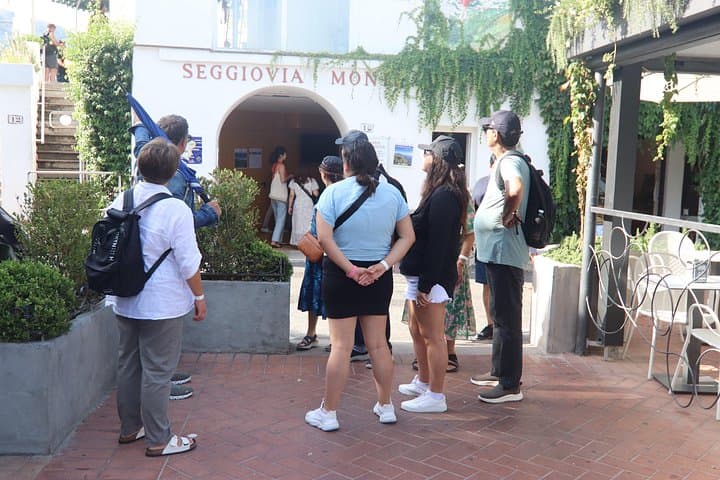
On this six-hour guided loop you’ll circle the island by boat to view the White, Green and other grottoes, pass the Faraglioni up close, then switch to dry land: Anacapri, Villa San Michele and a chairlift or walk to Monte Solaro, plus the Gardens of Augustus. The guide stitches local history and practical notes—why Posidonia meadows matter, where to find shade, when to time photos.
Practical takeaways: pack sun protection and a light layer for wind off the water; expect some short walks on uneven stone; check Blue Grotto access—entry depends on sea state and queueing. Early departures avoid crowds and give cleaner light for the Faraglioni. The day balances easy sea time with a few hillier strolls — a compact primer on what makes Capri both dramatic and approachable.
easy.
6 hours.
Suitable for most fitness levels; includes short walks and one moderate uphill section if you hike to Monte Solaro.
Yes — the itinerary includes about an hour-long boat circuit to view grottoes and the Faraglioni; stops inside specific grottoes (like the Blue Grotto) depend on sea conditions and may require separate entry fees.
The Gardens of Augustus entrance is included as specified; some museums or chairlift tickets (Monte Solaro) may be payable locally—confirm with the operator before departure.
The tour accommodates families and strollers for some sections, but boat ladders, uneven stone, and steps up to viewpoints can be challenging for limited mobility visitors; contact the operator for specifics.
Operators typically cancel small-boat elements in rough seas; the cancellation policy allows refunds or alternate plans if grotto access or the boat circuit is unsafe.
Capri has been a leisure destination since Roman times—Emperor Tiberius built villas here—and later attracted 19th-century artists and writers who left cultural traces in Anacapri and the island’s small museums.
Posidonia seagrass meadows around Capri are ecologically vital; avoid anchoring on seagrass, take all litter off the island, and follow your guide’s directions to reduce impact.
Bella Vie operates guided outdoor trips and adventures with an emphasis on safety, stewardship, and memorable experiences.
You step off the ferry onto Marina Grande and the island announces itself in salt and stone — sheer cliffs punctuated by the three Faraglioni rocks, sea-slick caves yawning at the coastline. A small boat eases away from the harbor and the island begins to read like a coastal atlas: grottoes that change color with the light, a natural arch carved by waves, and terraced gardens clinging to limestone.
You step off the ferry onto Marina Grande and the island announces itself in salt and stone — sheer cliffs punctuated by the three Faraglioni rocks, sea-slick caves yawning at the coastline. A small boat eases away from the harbor and the island begins to read like a coastal atlas: grottoes that change color with the light, a natural arch carved by waves, and terraced gardens clinging to limestone.
Capri has drawn visitors since Roman times; Emperor Tiberius ruled from villas on the island and remnants of that imperial presence dot the cliffs. Geologically, Capri is folded limestone—calcium carbonate beds sculpted by sea and time into caves, stacks and arches. Culturally the island mixes old fishing hamlets with high-end boutiques and quiet Anacapri lanes where the pace slows.
On this six-hour guided loop you’ll circle the island by boat to view the White, Green and other grottoes, pass the Faraglioni up close, then switch to dry land: Anacapri, Villa San Michele and a chairlift or walk to Monte Solaro, plus the Gardens of Augustus. The guide stitches local history and practical notes—why Posidonia meadows matter, where to find shade, when to time photos.
Practical takeaways: pack sun protection and a light layer for wind off the water; expect some short walks on uneven stone; check Blue Grotto access—entry depends on sea state and queueing. Early departures avoid crowds and give cleaner light for the Faraglioni. The day balances easy sea time with a few hillier strolls — a compact primer on what makes Capri both dramatic and approachable.