THE ADVENTURE COLLECTIVE® · Independent discovery and booking for outdoor travel

Cruise around Capri’s iconic sea stacks and grottoes with stops for swimming, snorkeling, and an optional lunch ashore. This full- or half-day boat tour takes in Blue and Green Grottos, the Faraglioni, and Punta Carena lighthouse while offering flexible time in the water.
Cruise around Capri’s iconic sea stacks and grottoes with stops for swimming, snorkeling, and an optional lunch ashore. This full- or half-day boat tour takes in Blue and Green Grottos, the Faraglioni, and Punta Carena lighthouse while offering flexible time in the water.
You step off the dock at Marina Grande and the sea takes the lead — a slow, bright current that nudges the bow toward the Faraglioni stacks while wind-tossed gulls trace the route.
Verified experiences and guided adventures in the surrounding area.
Operated by Coast to coast experience · Capri, Campania
You step off the dock at Marina Grande and the sea takes the lead — a slow, bright current that nudges the bow toward the Faraglioni stacks while wind-tossed gulls trace the route.
The ride around Capri is equal parts theater and geology: towering limestone Faraglioni sculpted by waves, shadowed grottoes where light filters into impossible blues and greens, and the squat silhouette of Punta Carena lighthouse marking the island’s western lip. Historically, Capri has been a magnet for visitors since Roman times — Emperor Tiberius built villas along these shores — and the coastline still carries those layers of human use and natural erosion.
On water, culture feels pragmatic: fishermen’s boats, private gozzi and day-trippers weaving between moorings, and small seaside restaurants that reward a disembarked lunch with lemony flavors local to Campania. Geologically, the grottos are sea caves carved from calcareous rock; the Blue Grotto’s color comes from sunlight refracting through a submerged entrance.
Practical guidance: tours typically include stops for swimming and snorkeling in sheltered coves; bring reef-safe sunscreen and a waterproof bag for cameras. Blue Grotto access depends on calm seas and small dinghy entry, so plan the grotto early in the day if it’s a priority. Respect marked marine-protected zones and listen to the skipper about currents when you jump in — the water wants to move you along quickly.
Expect a relaxed, easy-paced day on the water with choices: sightsee, swim, snorkel, or head ashore for lunch in Capri’s marina towns.
easy.
3–4 hours.
Suitable for average fitness; minimal physical effort required beyond boarding and short swims
No — access to the Blue Grotto depends on sea state and official opening hours; the grotto is best attempted early in calm conditions and sometimes requires boarding a small dinghy.
Many tours include basic snorkeling equipment and bottled water, but you can bring your own mask and fins for a better fit and hygiene.
Typical departures are from Marina Grande or Marina Piccola; check your booking for the exact pier and arrival time.
Yes — tours are family-friendly, but non-swimmers should wear life vests when jumping in, and infants usually sit on laps or remain on board depending on operator policy.
Capri’s coastline bears marks of Roman use — Emperor Tiberius built villas on the island and the bays served as maritime retreats for antiquity’s elites.
Parts of the waters around Capri fall within local marine protection efforts (e.g., Punta Campanella area); minimizing single-use plastics and following skipper guidance helps reduce impact.
Coast to coast experience operates guided outdoor trips and adventures with an emphasis on safety, stewardship, and memorable experiences.
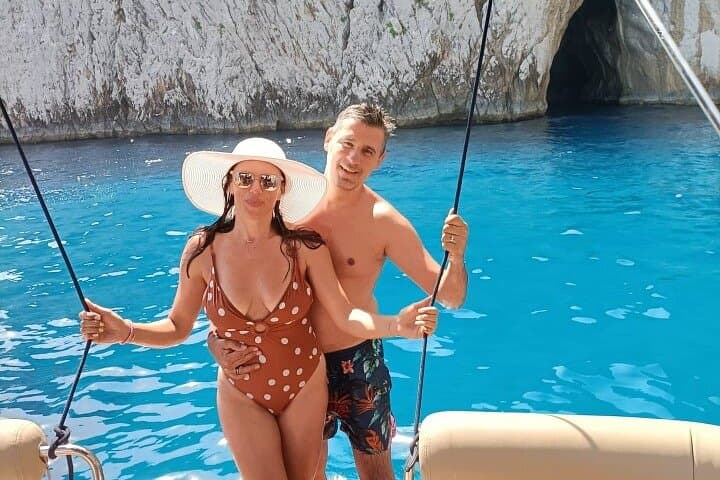


You step off the dock at Marina Grande and the sea takes the lead — a slow, bright current that nudges the bow toward the Faraglioni stacks while wind-tossed gulls trace the route.
You step off the dock at Marina Grande and the sea takes the lead — a slow, bright current that nudges the bow toward the Faraglioni stacks while wind-tossed gulls trace the route.
The ride around Capri is equal parts theater and geology: towering limestone Faraglioni sculpted by waves, shadowed grottoes where light filters into impossible blues and greens, and the squat silhouette of Punta Carena lighthouse marking the island’s western lip. Historically, Capri has been a magnet for visitors since Roman times — Emperor Tiberius built villas along these shores — and the coastline still carries those layers of human use and natural erosion.
On water, culture feels pragmatic: fishermen’s boats, private gozzi and day-trippers weaving between moorings, and small seaside restaurants that reward a disembarked lunch with lemony flavors local to Campania. Geologically, the grottos are sea caves carved from calcareous rock; the Blue Grotto’s color comes from sunlight refracting through a submerged entrance.
Practical guidance: tours typically include stops for swimming and snorkeling in sheltered coves; bring reef-safe sunscreen and a waterproof bag for cameras. Blue Grotto access depends on calm seas and small dinghy entry, so plan the grotto early in the day if it’s a priority. Respect marked marine-protected zones and listen to the skipper about currents when you jump in — the water wants to move you along quickly.
Expect a relaxed, easy-paced day on the water with choices: sightsee, swim, snorkel, or head ashore for lunch in Capri’s marina towns.