THE ADVENTURE COLLECTIVE® · Independent discovery and booking for outdoor travel

A single day connects Sorrento to Capri’s electric-blue caverns and Positano’s steep alleys. Expect ferries, a possible grotto visit, stepped streets and seaside views—packed into an efficient, experience‑driven day on the Amalfi coast.
A single day connects Sorrento to Capri’s electric-blue caverns and Positano’s steep alleys. Expect ferries, a possible grotto visit, stepped streets and seaside views—packed into an efficient, experience‑driven day on the Amalfi coast.
Morning light cracks over Marina Piccola as the ferry eases away from Sorrento—salt on your lips, the cliffside houses of Positano and the white cliffs of Capri growing in the distance.
Verified experiences and guided adventures in the surrounding area.
Operated by Tours of Capri-Private Tours of Amalfi Coast & Pompeii · Sorrento, Campania
Morning light cracks over Marina Piccola as the ferry eases away from Sorrento—salt on your lips, the cliffside houses of Positano and the white cliffs of Capri growing in the distance.
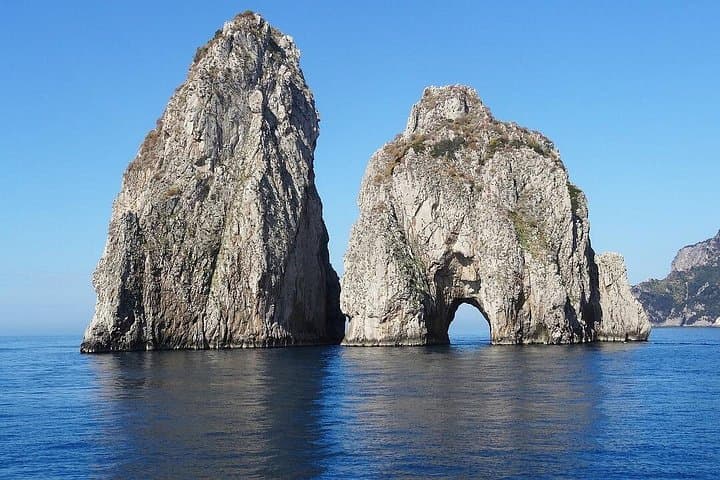
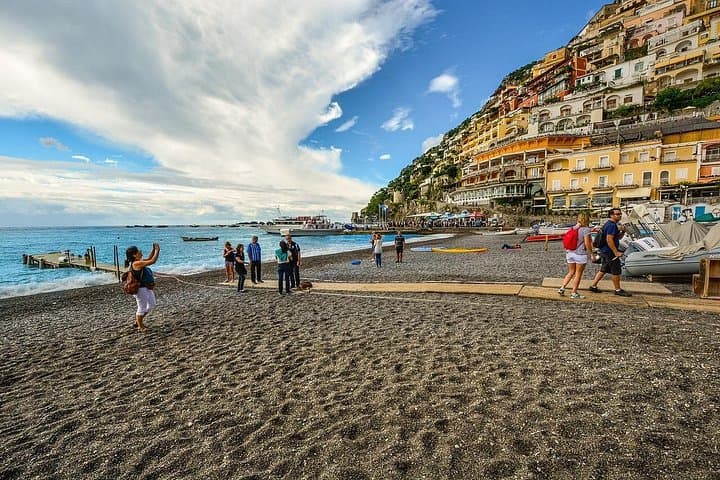
This full‑day loop pairs two of the Amalfi Coast’s headline acts: the island of Capri, with its dramatic limestone slopes and Roman history, and Positano, the vertical village that spills down to Spiaggia Grande. Geologically, Capri’s sea caves—most famously the Blue Grotto—form where wave action has exploited softer strata in the island’s limestone, producing caverns that flash electric blue when sunlight refracts through the submerged entrance.
Culturally the area blends fishing heritage and refined tourism: lemon groves and linen shops in Positano, and Anacapri’s quieter lanes above the tourist terraces. Capri also bears Roman echoes—Tiberius’ Villa Jovis overlooks the sea—and a long tradition of Mediterranean boating that shapes local life.
Practical guidance: start early (meet at Marina Piccola at 07:40) to beat midday crowds and ensure grotto access if conditions allow. Expect a mix of short boat rides, transfers by van/shuttle on Capri, and walking on stepped streets in Positano—good footwear and a light daypack matter. Bring sun protection, a refillable water bottle, and cash for small purchases; Blue Grotto access can be weather‑dependent, so a backup island cruise is common.
The day is paced: sightseeing, a grotto visit or circumnavigation, and a relaxed Positano stroll before the return to Sorrento—an efficient, sensory snapshot of the Bay of Naples.
moderate.
8 hours.
Moderate fitness required: able to stand during boat transfers and walk on uneven, stepped streets.
No; the grotto closes at high tide or rough seas—if it’s closed the itinerary usually includes a shared boat circumnavigation of Capri instead.
Fast ferry tickets between Capri and Positano and transport on Capri (car/shuttle for island transfers) are included as part of the tour package.
Yes—infants and small children can use strollers, but expect stairs in Positano and small boats for grotto access may require holding children on laps.
Meet at Marina Piccola ticket office in Sorrento at 07:40; punctuality is important to keep the day’s schedule.
Capri was a Roman imperial retreat—Emperor Tiberius built Villa Jovis atop the island, leaving Roman ruins and paths that still shape modern access.
The area manages high visitor numbers; choose responsible operators, avoid single‑use plastics, and follow local rules to protect seagrass beds and marine life.
Tours of Capri-Private Tours of Amalfi Coast & Pompeii operates guided outdoor trips and adventures with an emphasis on safety, stewardship, and memorable experiences.
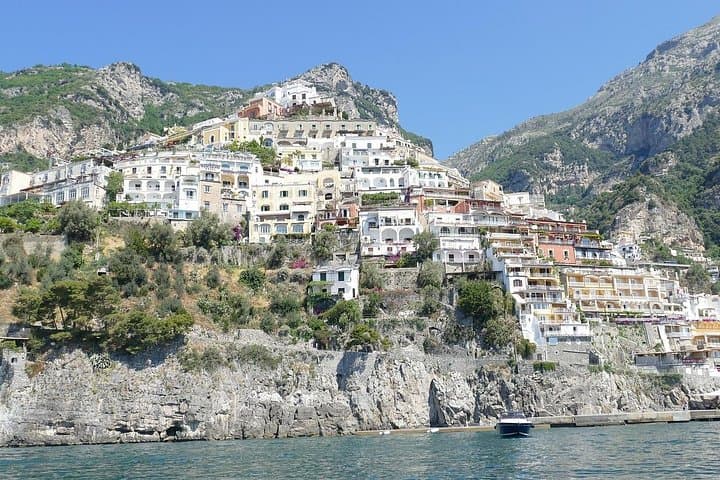
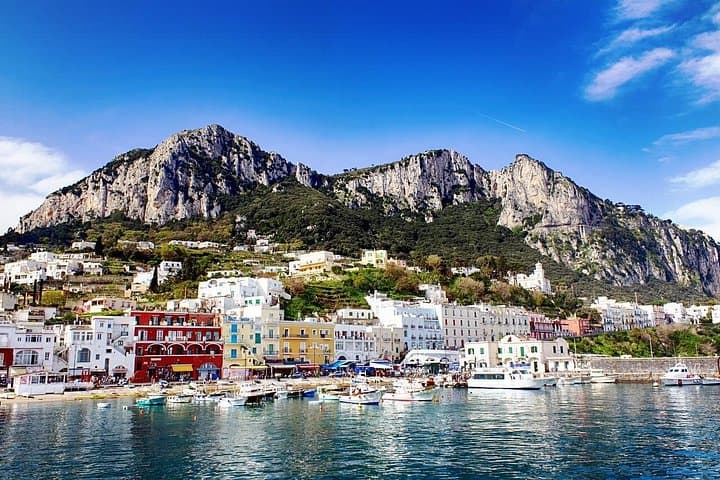
Morning light cracks over Marina Piccola as the ferry eases away from Sorrento—salt on your lips, the cliffside houses of Positano and the white cliffs of Capri growing in the distance.
Morning light cracks over Marina Piccola as the ferry eases away from Sorrento—salt on your lips, the cliffside houses of Positano and the white cliffs of Capri growing in the distance.
This full‑day loop pairs two of the Amalfi Coast’s headline acts: the island of Capri, with its dramatic limestone slopes and Roman history, and Positano, the vertical village that spills down to Spiaggia Grande. Geologically, Capri’s sea caves—most famously the Blue Grotto—form where wave action has exploited softer strata in the island’s limestone, producing caverns that flash electric blue when sunlight refracts through the submerged entrance.
Culturally the area blends fishing heritage and refined tourism: lemon groves and linen shops in Positano, and Anacapri’s quieter lanes above the tourist terraces. Capri also bears Roman echoes—Tiberius’ Villa Jovis overlooks the sea—and a long tradition of Mediterranean boating that shapes local life.
Practical guidance: start early (meet at Marina Piccola at 07:40) to beat midday crowds and ensure grotto access if conditions allow. Expect a mix of short boat rides, transfers by van/shuttle on Capri, and walking on stepped streets in Positano—good footwear and a light daypack matter. Bring sun protection, a refillable water bottle, and cash for small purchases; Blue Grotto access can be weather‑dependent, so a backup island cruise is common.
The day is paced: sightseeing, a grotto visit or circumnavigation, and a relaxed Positano stroll before the return to Sorrento—an efficient, sensory snapshot of the Bay of Naples.