THE ADVENTURE COLLECTIVE® · Independent discovery and booking for outdoor travel

A full-day island escape from Rome or Naples that pairs a traditional lunch and a walking tour of Capri’s alleys with a boat visit to the legendary Blue Grotto. Learn what to expect, practical timing, and how to make the most of limited grotto visits.
A full-day island escape from Rome or Naples that pairs a traditional lunch and a walking tour of Capri’s alleys with a boat visit to the legendary Blue Grotto. Learn what to expect, practical timing, and how to make the most of limited grotto visits.
You step off the ferry into a sun-scrubbed port where scooters hum and the sea gleams like cut glass, the island air folding around narrow alleys and whitewashed walls.
Verified experiences and guided adventures in the surrounding area.
Operated by Rome Tour · Capri, Campania
You step off the ferry into a sun-scrubbed port where scooters hum and the sea gleams like cut glass, the island air folding around narrow alleys and whitewashed walls.
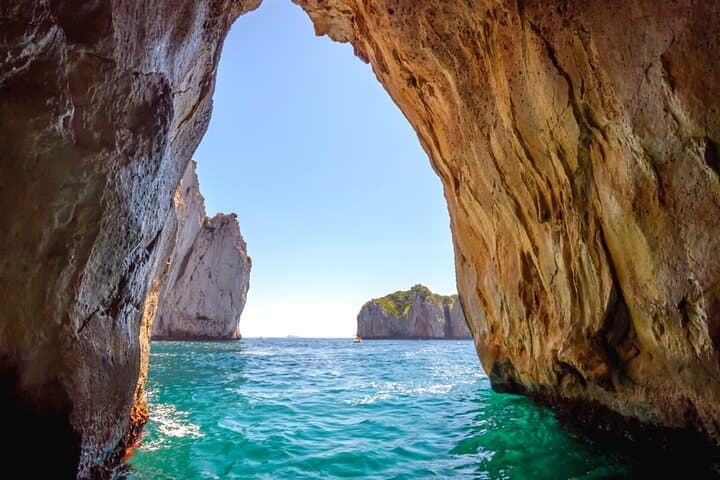
Capri has been a draw since Roman times — Emperor Tiberius built villas here — and artists and writers followed for the island’s light and drama. Geologically, Capri is limestone carved by waves and time; the Blue Grotto is a sea cave where sunlight filters through an underwater opening and the water appears to glow with an impossible blue.
Local life centers on small piazzas, seafood trattorie, and market stalls selling limoncello and hand-crafted sandals. Guides typically lead you through the town center and its steep lanes, pointing out the Certosa di San Giacomo and the panoramic terraces above Marina Grande before a small-boat approach to the grotto.
Practically, expect a full-day rhythm: coach or train south from Rome to Naples, a short ferry, on-island walking and a traditional lunch, then a boat ride to the Blue Grotto. The grotto’s entry is weather- and sea-dependent; if conditions allow you’ll transfer to a tiny rowboat to enter the cave at low tide. Wear comfortable shoes for cobbled streets and steps, and carry water and sun protection — shade is limited and the midday sun pushes bright off the sea.
Plan for narrow queues at popular viewpoints and brief, crowded visits inside the grotto itself. Time your trip earlier or later in high season to avoid peak boat traffic, and bring a small camera for views that reward patient framing.
moderate.
Approximately 2 days (about 48 hours).
Light to moderate fitness; able to walk on uneven cobbles and climb steps repeatedly throughout the day.
No — access depends on sea state and weather; very rough seas or high tide can close the grotto for safety.
Time inside the grotto is short, typically a few minutes per group, because only small rowboats enter and visits are managed in sequence.
Most tours pick up in Rome and travel by coach to Naples where you board a ferry to Capri; confirm exact meeting point with the operator before departure.
The tour is generally suitable for many ages but involves cobbles, stairs, and some standing; participants with limited mobility should check accessibility options in advance.
Capri was a privileged retreat in Roman times—Tiberius’ imperial villas remain part of the island’s layered past—and has inspired artists and writers since the 19th century.
High visitor numbers and boat traffic stress coastal habitats; stick to marked paths, avoid single-use plastics, and follow local guidelines to reduce impact.
Rome Tour operates guided outdoor trips and adventures with an emphasis on safety, stewardship, and memorable experiences.


You step off the ferry into a sun-scrubbed port where scooters hum and the sea gleams like cut glass, the island air folding around narrow alleys and whitewashed walls.
You step off the ferry into a sun-scrubbed port where scooters hum and the sea gleams like cut glass, the island air folding around narrow alleys and whitewashed walls.
Capri has been a draw since Roman times — Emperor Tiberius built villas here — and artists and writers followed for the island’s light and drama. Geologically, Capri is limestone carved by waves and time; the Blue Grotto is a sea cave where sunlight filters through an underwater opening and the water appears to glow with an impossible blue.
Local life centers on small piazzas, seafood trattorie, and market stalls selling limoncello and hand-crafted sandals. Guides typically lead you through the town center and its steep lanes, pointing out the Certosa di San Giacomo and the panoramic terraces above Marina Grande before a small-boat approach to the grotto.
Practically, expect a full-day rhythm: coach or train south from Rome to Naples, a short ferry, on-island walking and a traditional lunch, then a boat ride to the Blue Grotto. The grotto’s entry is weather- and sea-dependent; if conditions allow you’ll transfer to a tiny rowboat to enter the cave at low tide. Wear comfortable shoes for cobbled streets and steps, and carry water and sun protection — shade is limited and the midday sun pushes bright off the sea.
Plan for narrow queues at popular viewpoints and brief, crowded visits inside the grotto itself. Time your trip earlier or later in high season to avoid peak boat traffic, and bring a small camera for views that reward patient framing.