THE ADVENTURE COLLECTIVE® · Independent discovery and booking for outdoor travel

Spend a full day on fast ferries between Naples, Capri and Positano—watch for the Blue Grotto’s light show, cruise the island’s coast if the cave is closed, then descend Positano’s alleys for gelato and linen shops. This guide covers what to expect and how to prepare.
Spend a full day on fast ferries between Naples, Capri and Positano—watch for the Blue Grotto’s light show, cruise the island’s coast if the cave is closed, then descend Positano’s alleys for gelato and linen shops. This guide covers what to expect and how to prepare.
The ferry cleaves the Bay of Naples at dawn, salt on your lips and Vesuvius low on the horizon. By midmorning you’re steering toward Capri’s clefts: sun strikes the limestone cliffs and the island’s white houses crouch above the sea like a town built to watch the water.
Verified experiences and guided adventures in the surrounding area.
Operated by Tours of Capri-Private Tours of Amalfi Coast & Pompeii · Naples, Campania
The ferry cleaves the Bay of Naples at dawn, salt on your lips and Vesuvius low on the horizon. By midmorning you’re steering toward Capri’s clefts: sun strikes the limestone cliffs and the island’s white houses crouch above the sea like a town built to watch the water.
Capri and Positano carry layers of history — Roman emperors favored the island, Tiberius built villas on its slopes, and the Amalfi Coast’s medieval maritime republics shaped Positano’s cliffside layout. Geologically, Capri’s karst limestone has been carved into grottos and sea caves; the Blue Grotto’s electric water color is a product of light filtering through a low cave mouth and hitting the sea floor.
Culture here is tactile: linen shops along Positano alleys, lemon-scented air, and a language of steep steps and piazzas. Local guides point to tucked-away viewpoints and quieter bays around the island.
Practically: the tour runs about eight hours, beginning at Molo Beverello. The Blue Grotto is weather-dependent — expect a sharing skiff entry if conditions allow, or a circum-island boat tour if closed. Allow time for steep stairs in Positano, bring layered sun protection, and carry cash for small vendors and boat fees. Wear grippy shoes for cobbled alleys and short cliffside walks; a light wind layer is useful on open-water crossings.
This itinerary packs sea, shore, and culture into a single day: come ready to move between boats, short hikes, and Italian seaside rhythms.
moderate.
8 hours.
Moderate fitness: able to stand on boats, walk steps and short inclines, and move between ports.
The tour arranges boat access but official small-boat entrance fees and queueing may be managed locally; confirm with your guide on the day.
If sea or weather prevents entry, most operators offer a sharing boat circumnavigation of Capri to view grottos and sea cliffs instead.
Expect roughly 1.5–2 hours to stroll alleys, visit Spiaggia Grande and shop; time varies by itinerary and ferry schedules.
Yes—meeting at Molo Beverello is standard; follow the port exit instructions and arrive by 07:30 as noted in booking details.
Capri was a favored retreat for Roman emperors like Tiberius, and ruins such as Villa Jovis reflect imperial presence on the island.
High boat traffic and coastal tourism stress marine habitats; obey local regulations, avoid single-use plastics and follow guide instructions to minimize impact.
Tours of Capri-Private Tours of Amalfi Coast & Pompeii operates guided outdoor trips and adventures with an emphasis on safety, stewardship, and memorable experiences.
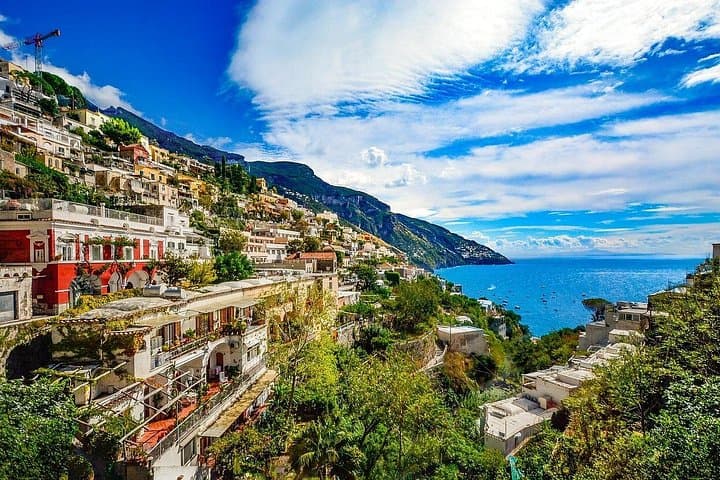
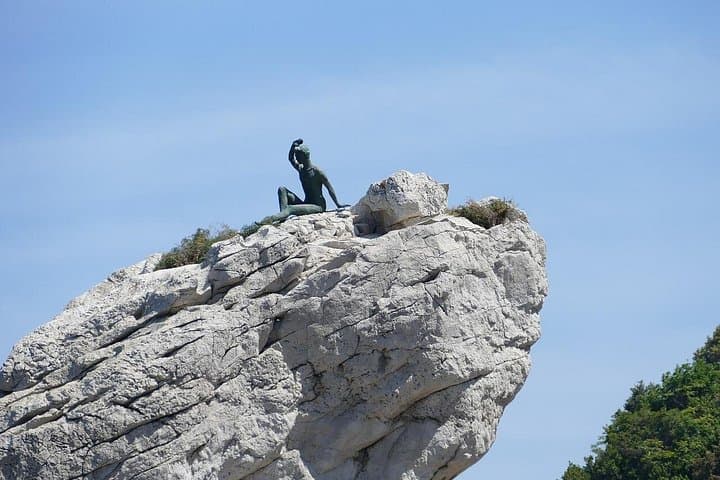
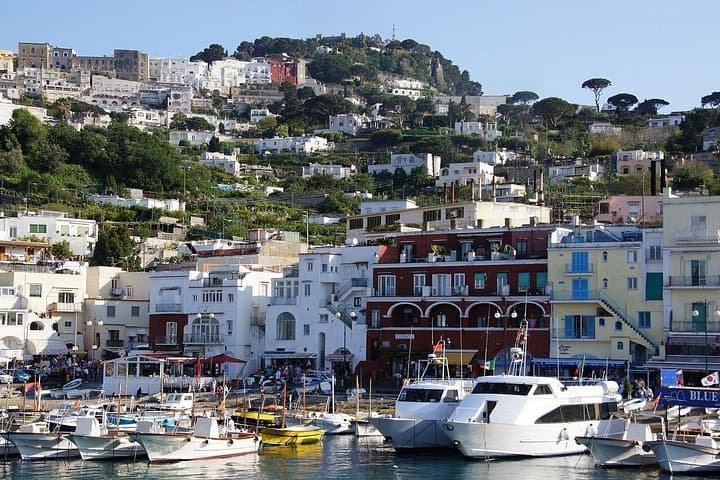
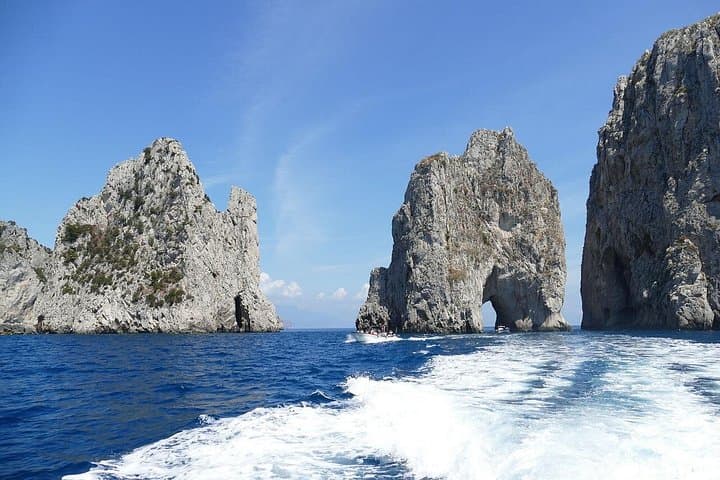
The ferry cleaves the Bay of Naples at dawn, salt on your lips and Vesuvius low on the horizon. By midmorning you’re steering toward Capri’s clefts: sun strikes the limestone cliffs and the island’s white houses crouch above the sea like a town built to watch the water.
The ferry cleaves the Bay of Naples at dawn, salt on your lips and Vesuvius low on the horizon. By midmorning you’re steering toward Capri’s clefts: sun strikes the limestone cliffs and the island’s white houses crouch above the sea like a town built to watch the water.
Capri and Positano carry layers of history — Roman emperors favored the island, Tiberius built villas on its slopes, and the Amalfi Coast’s medieval maritime republics shaped Positano’s cliffside layout. Geologically, Capri’s karst limestone has been carved into grottos and sea caves; the Blue Grotto’s electric water color is a product of light filtering through a low cave mouth and hitting the sea floor.
Culture here is tactile: linen shops along Positano alleys, lemon-scented air, and a language of steep steps and piazzas. Local guides point to tucked-away viewpoints and quieter bays around the island.
Practically: the tour runs about eight hours, beginning at Molo Beverello. The Blue Grotto is weather-dependent — expect a sharing skiff entry if conditions allow, or a circum-island boat tour if closed. Allow time for steep stairs in Positano, bring layered sun protection, and carry cash for small vendors and boat fees. Wear grippy shoes for cobbled alleys and short cliffside walks; a light wind layer is useful on open-water crossings.
This itinerary packs sea, shore, and culture into a single day: come ready to move between boats, short hikes, and Italian seaside rhythms.