THE ADVENTURE COLLECTIVE® · Independent discovery and booking for outdoor travel

Experience the Sema in a carved-stone venue in Göreme: an hour-long, symbolic whirl rooted in Rumi’s teachings set against Cappadocia’s volcanic rock. This guide explains what to expect, how to prepare, and simple etiquette to make the most of the ceremony.
Experience the Sema in a carved-stone venue in Göreme: an hour-long, symbolic whirl rooted in Rumi’s teachings set against Cappadocia’s volcanic rock. This guide explains what to expect, how to prepare, and simple etiquette to make the most of the ceremony.
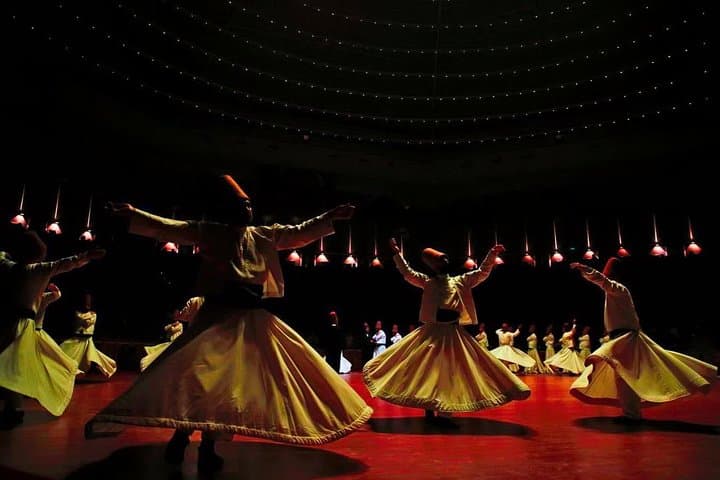
You step into a low, stone hall carved from Cappadocia’s soft tuff; a hush falls and the warm smell of burning resin threads the air. Figures in dark cloaks file past arches, then the cloak comes off and the first dervish begins to turn — slow at first, then a patient orbit that fills the room and the valley outside seems to lean in.
Verified experiences and guided adventures in the surrounding area.
Operated by Cappadocia Travel · Göreme, Nevşehir Province
You step into a low, stone hall carved from Cappadocia’s soft tuff; a hush falls and the warm smell of burning resin threads the air. Figures in dark cloaks file past arches, then the cloak comes off and the first dervish begins to turn — slow at first, then a patient orbit that fills the room and the valley outside seems to lean in.
The Sema is rooted in the teachings of Mevlâna Celaleddin Rumi (1207–1273): a choreographed, symbolic ascent toward spiritual unity. In Cappadocia the ceremony takes on a local character — performed in converted caravanserais and cave venues hewn from volcanic ash, spaces whose geology (millions of years of eruptions and erosion) frames the ritual with raw, earthen walls and recesses for spectators.
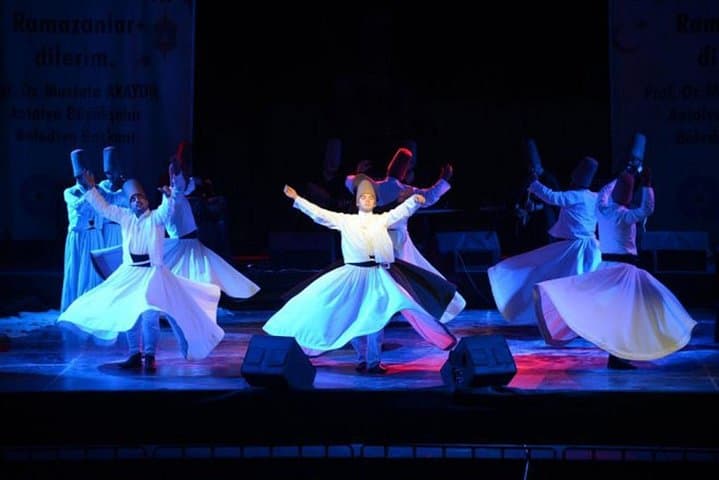
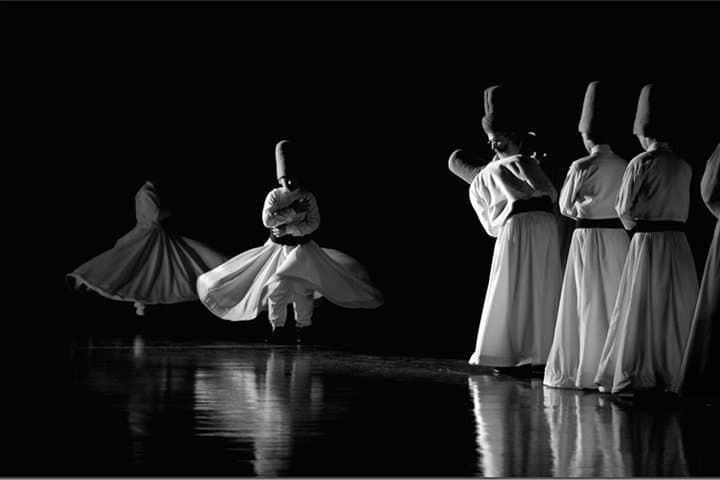
Culturally, the dervish’s tall hat and white skirt map stages of ego, death, and renewal; the music follows a precise, centuries-old sequence. Contemporary performances aim to preserve ritual integrity while making the Sema accessible to visitors — silence, modest dress, and respectful photography practices are standard.
Practical guidance: expect a one-hour program; many companies provide air-conditioned transport and accessible seating. Arrive 15–30 minutes early to orient yourself, and leave space for the meditative close. Flash photography and disruptive noise are frowned upon; recordings may be restricted. Combine the ceremony with a late-afternoon visit to nearby viewpoints in Göreme for a fuller sense of the landscape. The experience is cultural more than recreational — it rewards patience, quiet attention, and an interest in history and spiritual practice.
easy.
1 hour.
Suitable for all fitness levels; the experience is seated and contemplative rather than physically demanding.
The standard public Sema performance lasts about 60 minutes, including a brief introduction and the full ritual sequence.
Rules vary by venue—flash photography and video recording are often restricted; check with staff on arrival and keep phone sounds off.
Many Cappadocia venues and organized tours offer wheelchair-accessible spaces and transport; confirm accessibility options when booking.
Yes—performances have limited seating, and evening shows fill quickly during high season; advance booking ensures your spot.
The Sema ritual traces to 13th-century Mevlâna Rumi and the Mevlevi order; in Cappadocia it’s performed within centuries-old caravanserai and cave halls carved from volcanic tuff.
Respect for fragile cave venues and low-impact visitation are important—avoid touching rock faces and follow venue rules to help preserve these cultural spaces.
Cappadocia Travel operates guided outdoor trips and adventures with an emphasis on safety, stewardship, and memorable experiences.
You step into a low, stone hall carved from Cappadocia’s soft tuff; a hush falls and the warm smell of burning resin threads the air. Figures in dark cloaks file past arches, then the cloak comes off and the first dervish begins to turn — slow at first, then a patient orbit that fills the room and the valley outside seems to lean in.
You step into a low, stone hall carved from Cappadocia’s soft tuff; a hush falls and the warm smell of burning resin threads the air. Figures in dark cloaks file past arches, then the cloak comes off and the first dervish begins to turn — slow at first, then a patient orbit that fills the room and the valley outside seems to lean in.
The Sema is rooted in the teachings of Mevlâna Celaleddin Rumi (1207–1273): a choreographed, symbolic ascent toward spiritual unity. In Cappadocia the ceremony takes on a local character — performed in converted caravanserais and cave venues hewn from volcanic ash, spaces whose geology (millions of years of eruptions and erosion) frames the ritual with raw, earthen walls and recesses for spectators.
Culturally, the dervish’s tall hat and white skirt map stages of ego, death, and renewal; the music follows a precise, centuries-old sequence. Contemporary performances aim to preserve ritual integrity while making the Sema accessible to visitors — silence, modest dress, and respectful photography practices are standard.
Practical guidance: expect a one-hour program; many companies provide air-conditioned transport and accessible seating. Arrive 15–30 minutes early to orient yourself, and leave space for the meditative close. Flash photography and disruptive noise are frowned upon; recordings may be restricted. Combine the ceremony with a late-afternoon visit to nearby viewpoints in Göreme for a fuller sense of the landscape. The experience is cultural more than recreational — it rewards patience, quiet attention, and an interest in history and spiritual practice.